In a dramatic turn of events, the U.S. Supreme Court is poised to hear arguments that could significantly curtail President Trump’s expansive use of tariffs under a 1977 emergency law. This legal battle comes as the nation grapples with the implications of tariffs that have been slapped on imports from nearly every nation, ostensibly to protect national security and economic interests. With lower courts already signaling skepticism about the legality of such sweeping powers, the stakes for the Trump administration could not be higher.
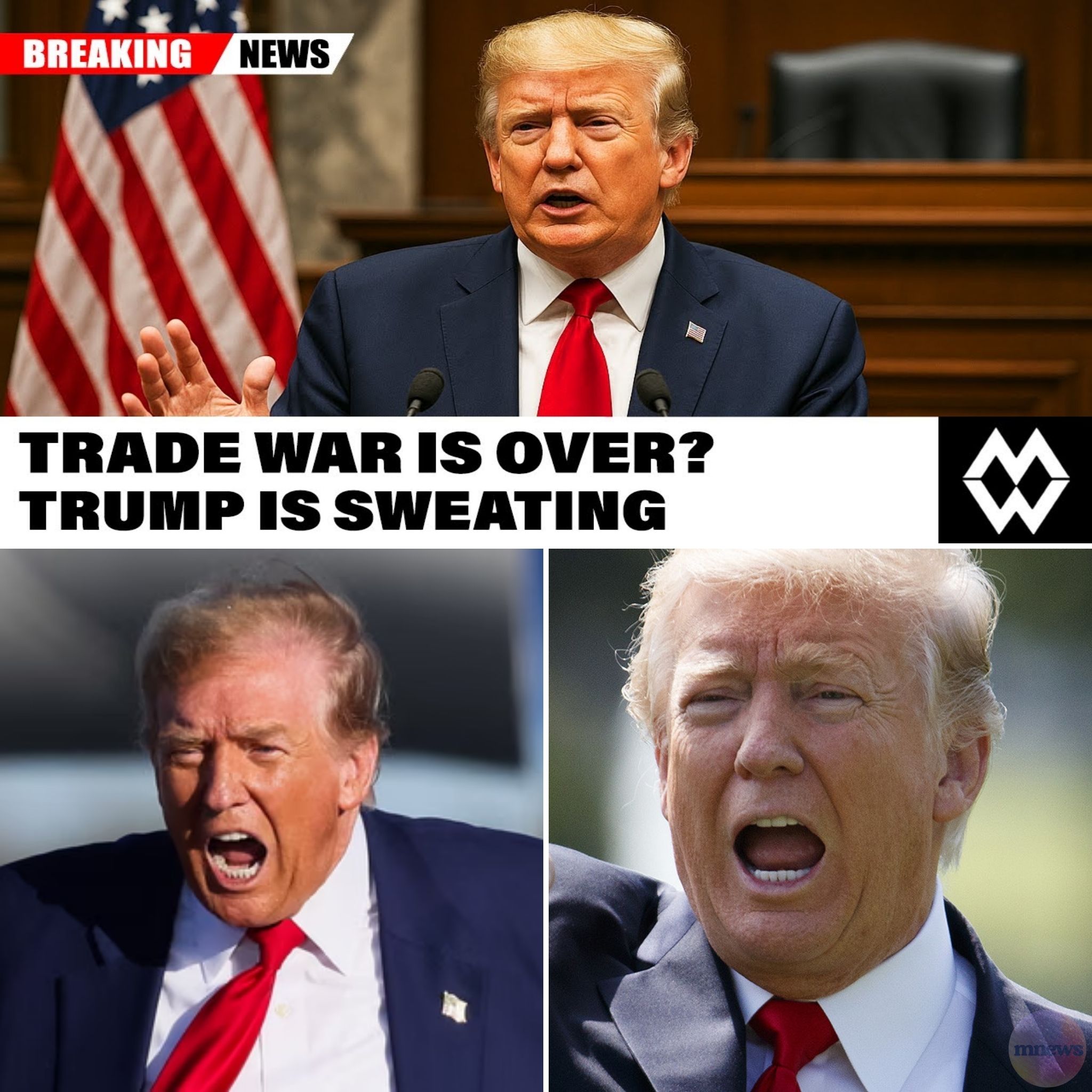
The Supreme Court hearing, scheduled for Wednesday, will consolidate two pivotal cases challenging Trump’s use of tariffs. Critics argue that the administration’s interpretation of the International Emergency Economic Powers Act (IEEPA) is a dangerous overreach, allowing the President to impose taxes—traditionally the purview of Congress—without clear legislative backing. The court’s decision could redefine the balance of power between the executive and legislative branches, particularly in the realm of trade.
As the administration prepares its case, it faces a legal landscape that has become increasingly hostile to broad delegations of power. Should the court decide to narrow the emergency powers, the White House may have to pivot to alternative legal frameworks for imposing tariffs, such as Section 301 for unfair trade practices or Section 232 for national security concerns. These options, while available, lack the immediacy and flexibility of the emergency tool that has allowed for rapid tariff imposition.

The implications of this case extend beyond legalities; they touch on the very fabric of U.S. foreign policy and economic strategy. If the court upholds the expansive use of tariffs, it could embolden the administration to continue using trade as a tool of diplomacy, intertwining economic measures with broader geopolitical objectives. Conversely, a ruling that constrains these powers could signal a return to a more measured approach to trade, requiring Congress to reassert its authority over tariff legislation.
The backdrop of this legal showdown is further complicated by the recent passing of former Vice President Dick Cheney, a figure synonymous with the expansion of executive power in the post-9/11 era. Cheney’s legacy looms large as the court deliberates on whether to uphold a model of governance that prioritizes swift executive action over legislative clarity.
As businesses and states brace for the court’s decision, the potential for refunds on tariffs looms ominously. Should the court invalidate key aspects of the current tariff framework, importers could seek refunds amounting to billions, creating a political and economic headache for the administration.
In the coming days, the eyes of the nation will be fixed on the Supreme Court as it deliberates on a case that could redefine the contours of U.S. trade policy and executive power for years to come. The outcome will resonate far beyond the courtroom, shaping the future of American diplomacy and the economy in a world increasingly defined by trade tensions and strategic competition.