In a dramatic escalation of trade tensions, President Trump has announced a significant increase in steel tariffs, now set to soar from 25% to an eye-popping 50%. This move, aimed at bolstering the U.S. steel industry, has sent shockwaves through the global economy, prompting Canada, China, and Brazil to reevaluate their reserve strategies and leading to a notable sell-off in gold markets.
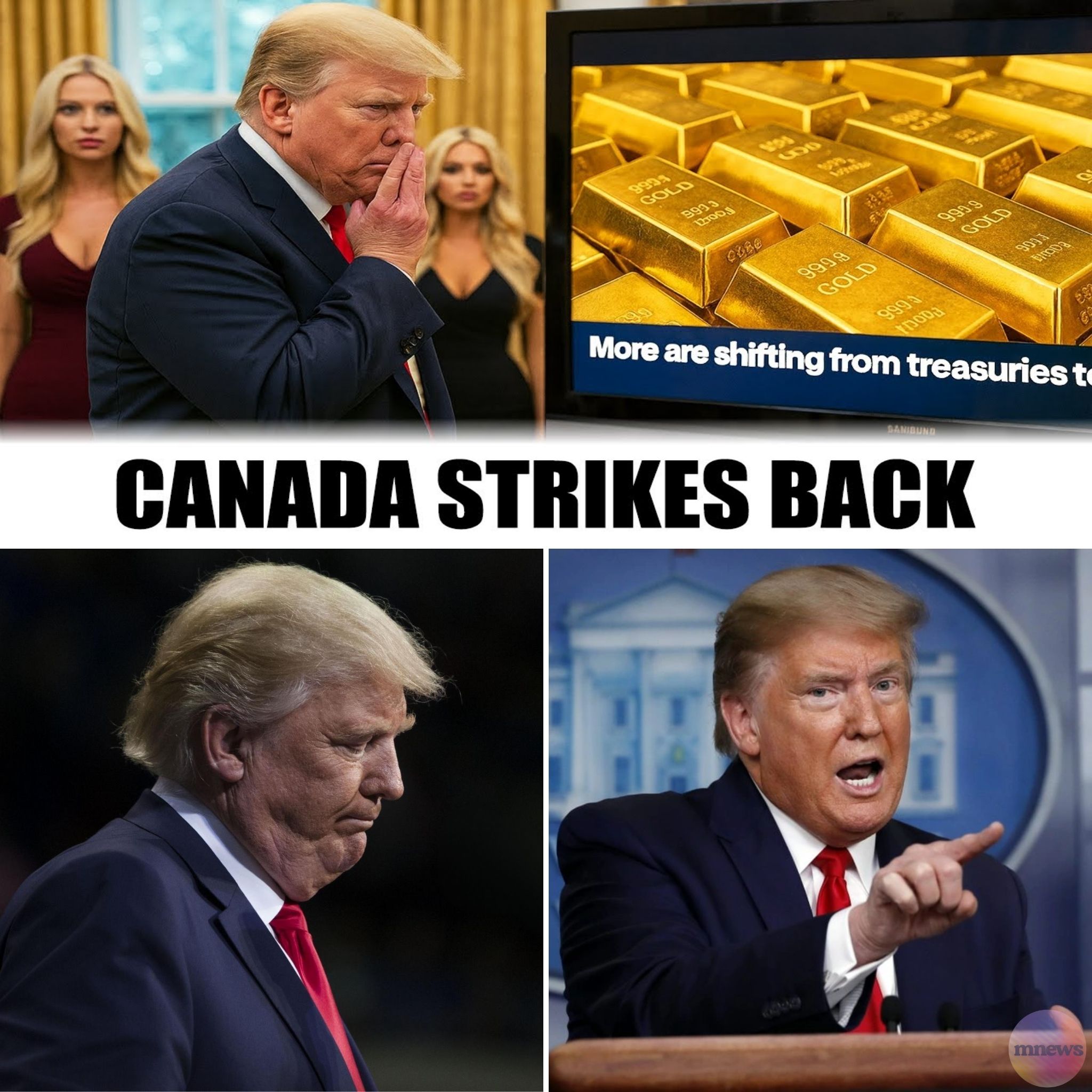
The announcement came during a rally at a U.S. steel plant in Pennsylvania, where Trump emphasized the need for national strength through tariffs. However, this strategy has raised concerns about the broader implications for the automotive sector and U.S. manufacturers, who are already grappling with rising input costs. While gold traders received a reprieve from tariffs on gold imports, the overall sentiment in financial markets is one of uncertainty.
The fallout from these tariffs is multifaceted. As countries like Canada, China, and Brazil begin reallocating their reserves, gold has emerged as a favored asset, reflecting a shift in global financial strategies. This movement is not just a reaction to tariffs but also a response to the increasing volatility in U.S. fiscal policy and the reliability of American debt. The implications are profound, affecting credit channels, supply chains, and household budgets across the board.
The U.S. borrowing model, which has thrived on low yields and abundant trust, is now facing scrutiny. The introduction of tariffs and sanctions has complicated the landscape, leading portfolio managers to reassess their strategies. This shift is not merely a surface-level reaction; it is a calculated response to the new economic reality, where trust in U.S. debt is being tested.
As the tariffs take effect, domestic manufacturers are caught in a vice. The costs of essential inputs like steel and aluminum are skyrocketing, while financing costs are also on the rise due to increased yields. This dual pressure is forcing companies to rethink their operational strategies, delaying upgrades, and trimming budgets. The cumulative effect of these changes is likely to be felt by consumers, who may face higher prices and reduced availability of goods.
The response from global partners has been strategic yet subtle. Canada, for instance, is balancing its domestic production needs with a desire to diversify its reserves, while China is gradually reducing its Treasury holdings in favor of gold and alternative payment systems. Brazil is similarly adjusting its reserve composition to mitigate risks associated with the tariff-induced volatility.
In conclusion, the recent tariff hikes represent a critical juncture for the U.S. economy and its global standing. As countries adapt their strategies in response to these changes, the reverberations will be felt across various sectors, from manufacturing to consumer goods. The road ahead is fraught with uncertainty, and the consequences of these policies will unfold in real time, shaping the economic landscape for years to come.