In a chilling conclusion to a case that haunted Indiana law enforcement for more than two decades, death row inmate Benjamin Donnie Ritchie was executed by lethal injection on May 20, 2025, for the fatal shooting of Beech Grove Police Officer William “Bill” Toney during a violent police chase in 2000.
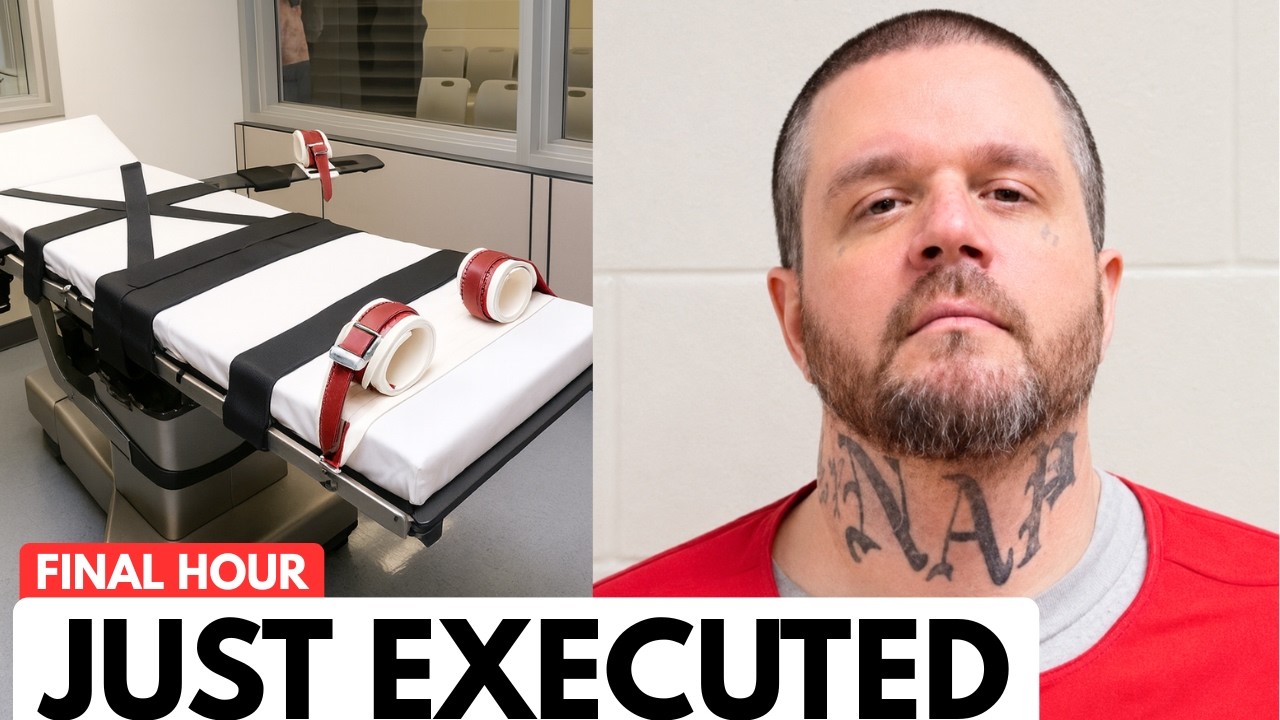
Ritchie, who spent nearly 23 years on death row, was pronounced dead shortly after midnight inside the Indiana State Prison execution chamber. His execution marked Indiana’s first execution in years and immediately reignited national debate surrounding capital punishment, mental illness, and the long legal battle that defined his case.
The tragedy began on September 29, 2000, when police attempted to stop a stolen van in Beech Grove, Indiana. What initially appeared to be a routine police pursuit quickly spiraled into chaos as the suspect — later identified as 20-year-old Benjamin Ritchie — fled from officers at high speed through residential neighborhoods.
After the van crashed, Ritchie jumped out and ran through a series of backyards while Officer Bill Toney pursued him on foot. According to prosecutors, Ritchie suddenly turned and opened fire with a 9mm handgun, striking Toney above his bulletproof vest.
The veteran officer collapsed in the darkness as backup officers rushed to the scene. Despite emergency medical efforts, Toney died shortly afterward, leaving behind a devastated family, including his wife and two young daughters.

The murder sent shockwaves throughout Indiana and triggered one of the largest manhunts in the region. Hours later, Ritchie was captured hiding nearby and taken into custody.
As investigators dug deeper into Ritchie’s background, they uncovered a disturbing history of instability, mental illness, substance abuse, and criminal behavior.
Defense attorneys later argued that Ritchie grew up in an environment marked by neglect and emotional trauma. Psychological evaluations revealed longstanding mental health issues, including behavioral disorders and suicidal tendencies dating back to childhood.
But prosecutors painted a far darker portrait.
During the trial, they described Ritchie as a violent repeat offender who deliberately murdered a police officer while trying to escape arrest. Jurors heard testimony that he showed little remorse after the shooting and even mocked the victim’s family during portions of the proceedings.

One of the most controversial details of the trial involved a tattoo Ritchie later placed on his neck — reportedly referencing Officer Toney’s police unit number — a move prosecutors said demonstrated his complete lack of empathy.
In 2002, a jury convicted Ritchie of murder and recommended the death penalty after only a few hours of deliberation.
The sentencing phase became highly emotional as Officer Toney’s widow addressed the courtroom, describing the unbearable pain of losing her husband and raising their children alone.
Meanwhile, Ritchie’s defense team argued that his mental condition and traumatic upbringing should spare him from execution. However, the jury ultimately sided with prosecutors, concluding that the murder of a law enforcement officer warranted the harshest punishment possible.
For more than two decades, Ritchie’s attorneys filed appeal after appeal, challenging the conviction on grounds ranging from ineffective counsel to mental competency concerns.
None succeeded.
As the execution date approached, attention surrounding the case intensified once again. Supporters of Ritchie argued that he had changed during his years in prison, while critics insisted justice for Officer Toney had already been delayed far too long.
In a surprising twist, Ritchie had formed a relationship over the years with a woman from Sweden named Ivana, who began corresponding with him while researching the death penalty. The two eventually married in a prison ceremony behind glass walls, creating headlines around the world.
On his final day alive, Ritchie reportedly requested a last meal from Olive Garden, including the restaurant’s famous “Tour of Italy” platter.
Witnesses described the execution chamber as tense and silent.

Shortly before the lethal injection began, Ritchie offered brief final words expressing love for his family and friends. He reportedly apologized for the pain caused by his actions and hoped his loved ones would someday find peace.
At 12:46 a.m., Benjamin Donnie Ritchie was pronounced dead.
For the family of Officer Bill Toney, the execution closed a painful chapter that had stretched across nearly 25 years. Yet for others, the case continues to raise difficult questions about mental illness, rehabilitation, and whether the death penalty truly delivers justice.
Outside the prison, both supporters and opponents of capital punishment gathered in protest and prayer as the execution was carried out.
Today, the murder of Officer Bill Toney remains one of Indiana’s most remembered police killings — a tragic reminder of how a single violent decision can destroy countless lives forever.