After spending nearly 17 years on Texas death row, notorious Mexican Mafia enforcer Manuel Vasquez was executed by lethal injection for the brutal 1998 murder of San Antonio drug dealer Juanita Ibara — a killing prosecutors described as a cold-blooded cartel-style execution tied to gang extortion.
The execution marked the end of a violent criminal career deeply connected to the feared prison gang known as the
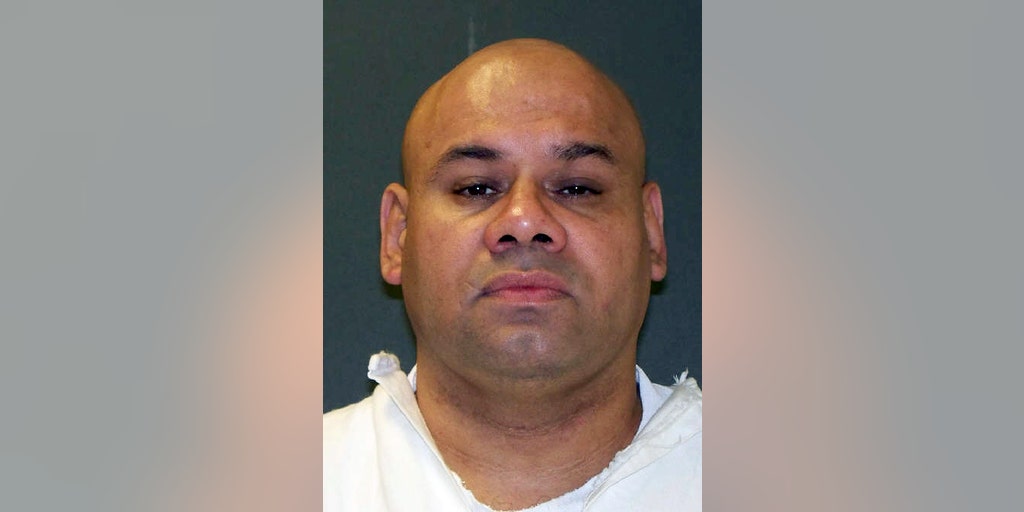 Mexican Mafia, one of the most ruthless criminal organizations operating inside and outside Texas prisons. Authorities said Vasquez acted as an enforcer responsible for carrying out punishments against anyone who refused to obey gang rules.
At the center of the case was the gang’s infamous “dime tax” system.
Under the extortion operation, street-level drug dealers were ordered to pay ten percent of their profits directly to the Mexican Mafia. Failure to pay often resulted in brutal retaliation — and according to prosecutors, Juanita Ibara became one of those victims.
The horrifying events unfolded on March 19, 1998.
Investigators said Vasquez and two accomplices tracked Ibara to a motel in San Antonio after learning she had refused repeated demands for payment. Inside the room, chaos erupted as the men forced their way in and attacked everyone present.
Ibara’s boyfriend, Moses Bazan, was beaten and restrained while the attackers focused their attention on Juanita. Prosecutors later revealed in court that Ibara desperately pleaded for her life as Vasquez wrapped a telephone cord around her neck and strangled her to death.

The murder scene shocked even veteran investigators.
Authorities described the killing as a calculated gang execution meant to send a terrifying message to anyone thinking about defying the Mexican Mafia. Bazan survived the assault and later identified Vasquez as the man responsible for carrying out the murder.
The investigation quickly exposed Vasquez’s violent criminal background.
Police linked him to gang activity, weapons offenses, prior assaults, and suspected involvement in other violent crimes connected to organized drug trafficking networks across Texas. Prosecutors portrayed him as a dangerous enforcer who embraced violence as part of gang loyalty.
During the 1999 capital murder trial, jurors heard chilling testimony about the motel room attack, including graphic forensic evidence and eyewitness accounts describing Ibara’s final moments. DNA evidence and gang intelligence reports further tied Vasquez directly to the killing.
Defense attorneys attempted to challenge witness credibility and argued that prosecutors exaggerated Vasquez’s role inside the Mexican Mafia. However, the jury rejected those claims and convicted him of capital murder.
He was sentenced to death.
Over the next decade and a half, Vasquez filed multiple appeals in both state and federal courts. His attorneys challenged aspects of the evidence, questioned the handling of gang-related testimony, and raised concerns about the death penalty itself. Every appeal was denied.
As his execution date approached, the case once again drew national attention because Texas was reportedly using one of its final remaining doses of pentobarbital, the drug used in lethal injections amid nationwide shortages.
On the evening of his execution, witnesses included members of both Vasquez’s family and the family of Juanita Ibara — people who had waited years for justice to finally arrive.
Reports indicated Vasquez requested a final meal consisting of traditional Mexican food before entering the execution chamber.
In his last statement, he expressed love for his family and thanked God, but noticeably offered no direct apology to Juanita Ibara’s loved ones for the brutal killing that destroyed their lives.
Minutes later, the lethal drugs began flowing.
Prison officials pronounced Manuel Vasquez dead shortly afterward, closing one of Texas’ most disturbing gang-related murder cases.
For many investigators, however, the execution represented more than the punishment of one man. The case exposed the terrifying reach of organized prison gangs and the deadly consequences of refusing to comply with cartel-style extortion systems operating far beyond prison walls.
The murder of Juanita Ibara remains a haunting reminder of how gang violence, fear, and intimidation can consume entire communities — and how quickly unpaid “street taxes” can turn into death sentences.