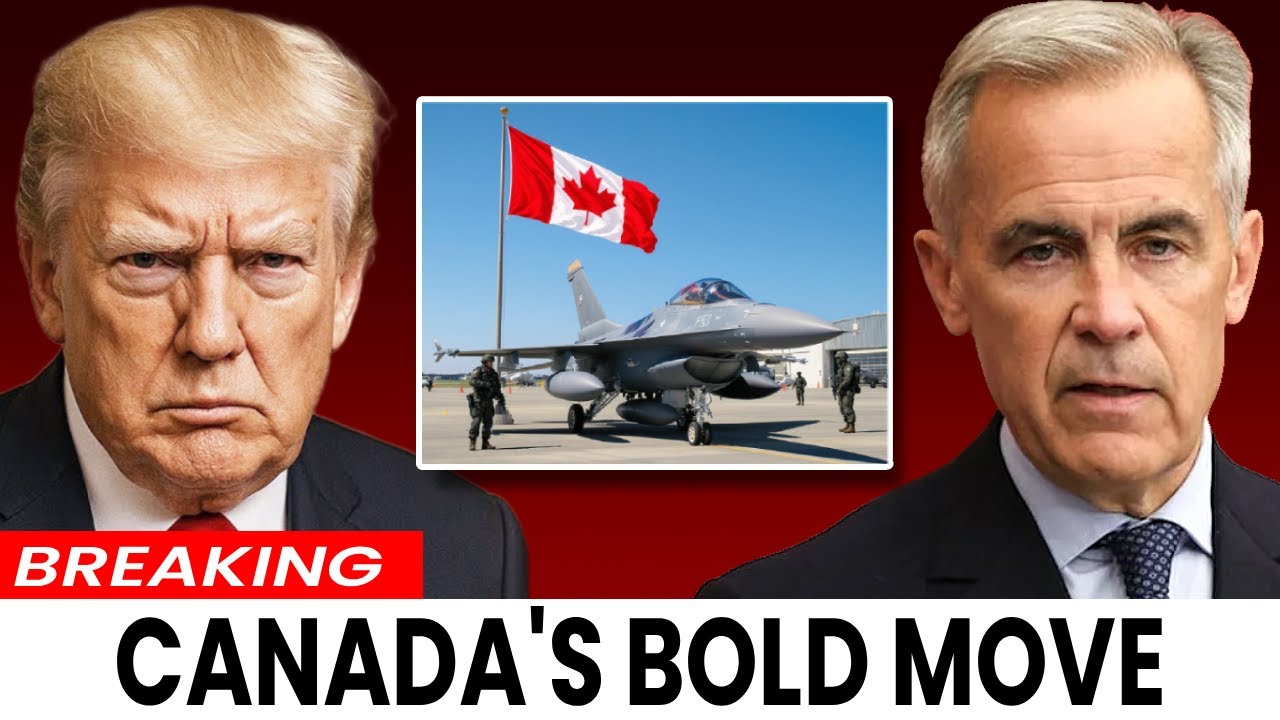
 Canada is at a pivotal crossroads in its defense procurement strategy, as Industry Minister Mélanie Joly has publicly declared dissatisfaction with the industrial benefits derived from the F-35 jet program. In a bold move that signals a potential shift in defense policy, Joly’s remarks indicate a growing sentiment among Canadians for more domestic job creation and industrial investment linked to military contracts. The implications of her comments are profound, as they challenge the long-standing assumption that purchasing American defense equipment is the safest and most beneficial option for Canada.

Joly’s critique came during a press conference where she stated, “I think Canadians expect more and we should get more.” This declaration has set off a political firestorm, as it marks a departure from the traditional narrative of quiet compliance with U.S. defense dominance. Instead, Canada is now openly considering alternative fighter jet options, including the Swedish Gripen, which promises not only advanced technology but also the potential for up to 10,000 jobs in manufacturing and research within Canada.
The Gripen’s proposal is particularly compelling as it aligns with Canada’s unique operational requirements, especially in Arctic conditions where Canadian pilots often operate. Unlike the F-35, which is designed for global strike missions and heavily reliant on U.S. supply chains, the Gripen is engineered to excel in extreme cold and can be assembled and maintained domestically. This shift in focus reflects a broader strategic reevaluation, as Canada seeks to reclaim its aerospace industry and enhance its defense manufacturing capacity.

The F-35 program, while technologically advanced, has been criticized for its high maintenance costs and limited industrial returns for Canadian firms. Joly’s call for more substantial industrial benefits echoes frustrations that have simmered for years within Canada’s aerospace sector. The reality is stark: billions have been spent on the F-35, yet the anticipated economic returns have fallen short, benefiting American companies far more than their Canadian counterparts.
The geopolitical implications of Canada’s potential pivot away from the F-35 are significant. As the political landscape shifts, particularly under the unpredictable U.S. administration, Canada is reevaluating its dependency on American defense systems. The F-35 has long been viewed as a safe choice, aligning Canada with NORAD and simplifying logistics. However, the current volatility in U.S. trade policy, characterized by tariffs and protectionist measures, has prompted a reassessment of this dependency.

Joly’s statements are not merely about job numbers; they represent a broader rejection of a mindset that has historically viewed the U.S. as the automatic answer to defense needs. The proposal from Saab for the Gripen is more than just a sales pitch; it embodies a vision for an industrial partnership that could rejuvenate Canada’s defense sector while providing genuine autonomy in military procurement.
As Canada contemplates its future fighter jet, the decision will have far-reaching consequences. It will determine whether Canada continues to rely on American systems or forges a path toward greater independence and self-sufficiency in defense. This moment could redefine Canada’s role in a rapidly changing global landscape, positioning it as a player that prioritizes domestic production and strategic partnerships beyond the traditional U.S. alliance.

In conclusion, Joly’s remarks mark a significant turning point in Canadian defense policy. The decision to reconsider the F-35 and explore alternatives like the Gripen reflects a growing desire for economic independence and a robust domestic defense industry. As the geopolitical landscape evolves, Canada is poised to assert its interests more boldly, challenging the assumptions that have long defined its defense procurement strategy. The outcome of this deliberation will not only shape Canada’s air force but also its standing in the international arena, signaling a new era of strategic autonomy.