In a stunning revelation that has sent shockwaves through political circles, U.S. Ambassador Pete Hoekstra has openly acknowledged that Canada’s recent advertising campaign has struck at the very heart of President Donald Trump’s vulnerabilities. During a panel discussion at the Canadian Manufacturers and Exporters conference, Hoekstra expressed outrage over Ontario’s decision to run anti-tariff ads targeting the U.S. president, suggesting that Canada was overstepping its bounds by directly influencing American electoral politics. This unexpected admission signals a significant shift in the Canada-U.S. dynamic and highlights the growing leverage Canada holds in the face of escalating trade tensions.
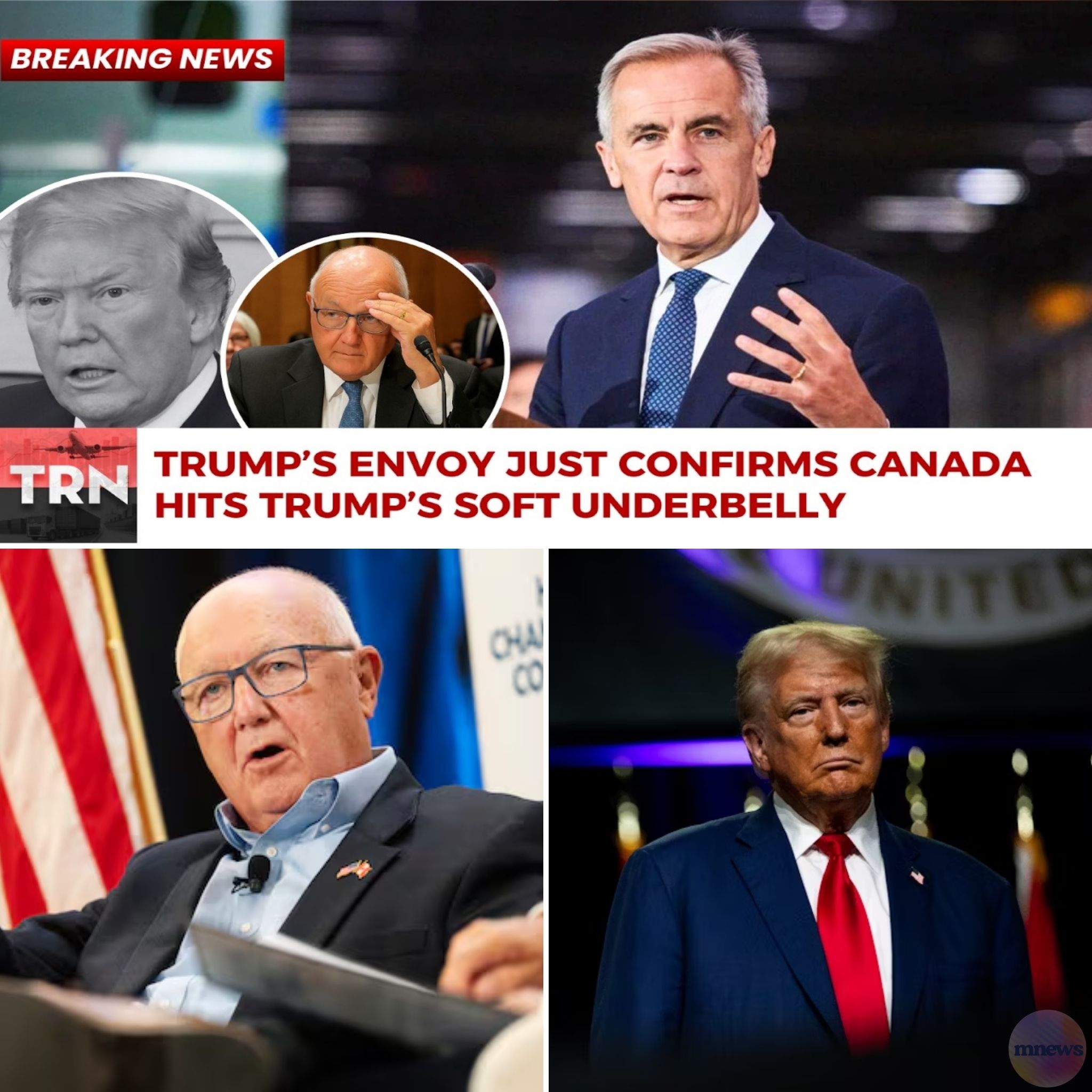
The context of this diplomatic drama is rooted in the ongoing trade war initiated by Trump, characterized by steep tariffs on Canadian goods that have strained supply chains and increased costs for American consumers. In response, Prime Minister Mark Carney has launched a bold $38.9 billion counter-tariff initiative and has strategically sought to diversify Canada’s economic partnerships beyond the U.S. This shift is emblematic of a broader transformation in Canadian foreign policy, moving away from a historically passive stance to one of assertive engagement.
Hoekstra’s vehement reaction to the Ontario ads, which highlighted the detrimental impact of Trump’s tariffs on American workers, underscores a critical vulnerability for the president. The ambassador’s warning to Canada not to repeat such actions reveals a fear that the Canadian message could resonate with Republican voters, disrupting Trump’s carefully curated narrative. Analysts have noted that by directly addressing American citizens, Canada has effectively bypassed traditional diplomatic channels and struck a nerve in U.S. politics.
The implications of this moment are profound. It suggests that Canada is no longer content to remain a silent partner in the face of American aggression. Instead, it is willing to leverage its position to advocate for its interests, even if that means confronting the U.S. publicly. This newfound assertiveness is further reflected in Carney’s strategic pivot towards strengthening economic ties with Asian markets, positioning Canada as a reliable partner in a rapidly changing global landscape.
However, the path forward is fraught with challenges. Hoekstra’s comments also hinted at the precarious nature of U.S.-Canada relations, as the ambassador urged Canada to aim for the lowest tariff bucket under U.S. trade agreements, a suggestion that many experts view as a potential trap. The stakes are high, and Canada must navigate this complex geopolitical terrain with caution.
As the world watches, the question remains: Will Canada continue to press its advantage and challenge the U.S. narrative, or will it retreat into the shadows of diplomacy? The outcome of this unfolding drama will not only shape the future of Canada-U.S. relations but also redefine Canada’s role on the global stage. In a moment where the balance of power appears to be shifting, Canada is poised to assert itself like never before.