In a somber and controversial turn of events, Joseph Corcoran, 49, was executed by lethal injection in Indiana early Wednesday morning, marking the state’s first execution since 2009. This execution was the final chapter in a case that haunted the community of Fort Wayne for nearly three decades, following Corcoran’s conviction for the 1997 murders of four individuals. The case, which shocked the nation, ended with Corcoran’s death at 12:44 a.m. on December 6, 2024. His last words were stark and resigned: “Not really. Let’s get this over with.”
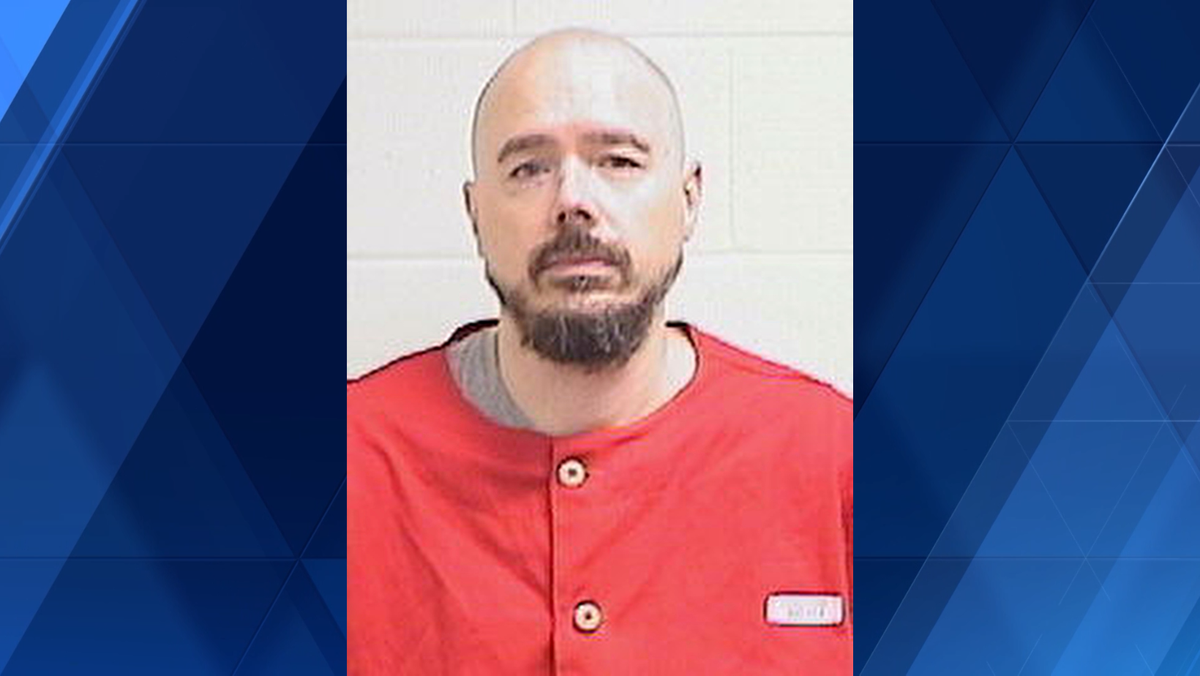
Corcoran was convicted of the brutal killings of his brother, 30-year-old James Corcoran, his sister’s fiancé, 32-year-old Robert Turner, and their friends, 30-year-olds Timothy Bricker and Douglas Stillwell. The murders took place on July 26, 1997, at 1602 Bayer Avenue in Fort Wayne. Corcoran admitted to the murders, claiming he was disturbed by conversations he overheard, leading him to take his rifle, lock his 7-year-old niece in an upstairs room for her safety, and then proceed to shoot the four men in a violent and tragic outburst. Afterward, he went to a neighbor’s house and asked them to call the police, confessing to the crime.
Despite Corcoran’s admission and the severity of the crime, his defense team argued that his mental illness should have prevented the execution. They claimed that Corcoran had suffered from delusions, including the belief that the guards in prison were using ultrasound waves to torture him. His legal team expressed deep disappointment that Corcoran’s schizophrenia and other mental health issues were not given proper weight in the legal process. They stated that the U.S. Supreme Court’s safeguards to protect vulnerable individuals facing the death penalty had been ignored, leaving Corcoran to face his execution despite his mental health struggles. They also highlighted the timing of the execution just days before Christmas, a season traditionally focused on peace and life, as a deeply troubling decision.
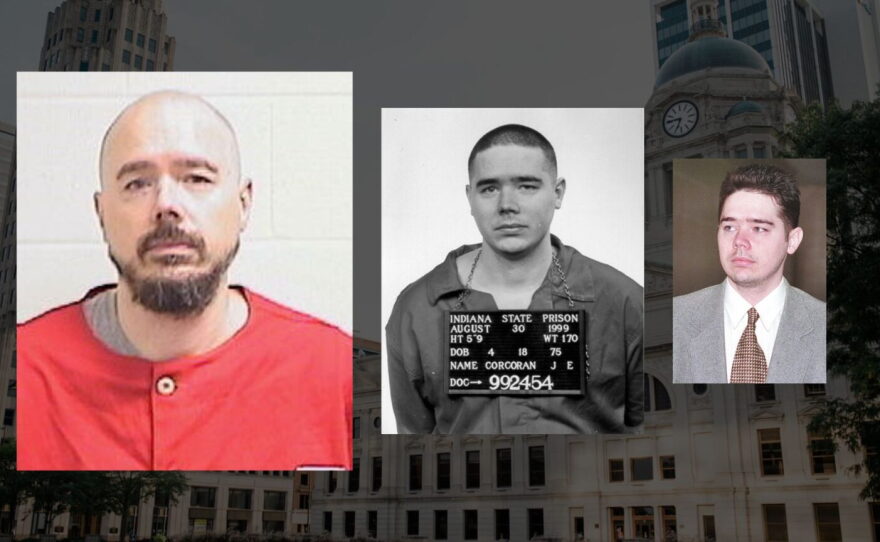
In contrast, prosecutors defended the execution, emphasizing that justice was finally served for the victims and their families. Indiana Attorney General Todd Rokita made it clear that the death penalty was the legal and just consequence for Corcoran’s brutal crime. “Today he finally paid his debt to society as justice was provided to his victims,” Rokita stated, reinforcing that the sentence had been carefully reviewed through multiple layers of the judicial system.
The execution was carried out after extensive appeals, including reviews by the Indiana Supreme Court and the U.S. Supreme Court, which upheld Corcoran’s death sentence. For the victims’ families, the execution brought some measure of closure, though the pain of losing their loved ones in such a senseless act of violence remains a deep and lasting wound. At the same time, Corcoran’s defense and mental health advocates continue to argue that his execution raises serious questions about the fairness of the justice system when it comes to individuals suffering from severe mental illness.