Total Solar Eclipse 2026 vs. 2027: Which One Should You Choose?
Eclipse chasers are once again preparing for a thrilling experience, as two spectacular total solar eclipses will occur in quick succession: one on August 12, 2026, and the other on August 2, 2027. With both eclipses offering unique opportunities to witness one of nature’s most breathtaking phenomena, choosing between the two can be a tough decision. While both events promise a once-in-a-lifetime experience, the specific details of the eclipses — from location and duration to visual effects — can greatly influence your decision.
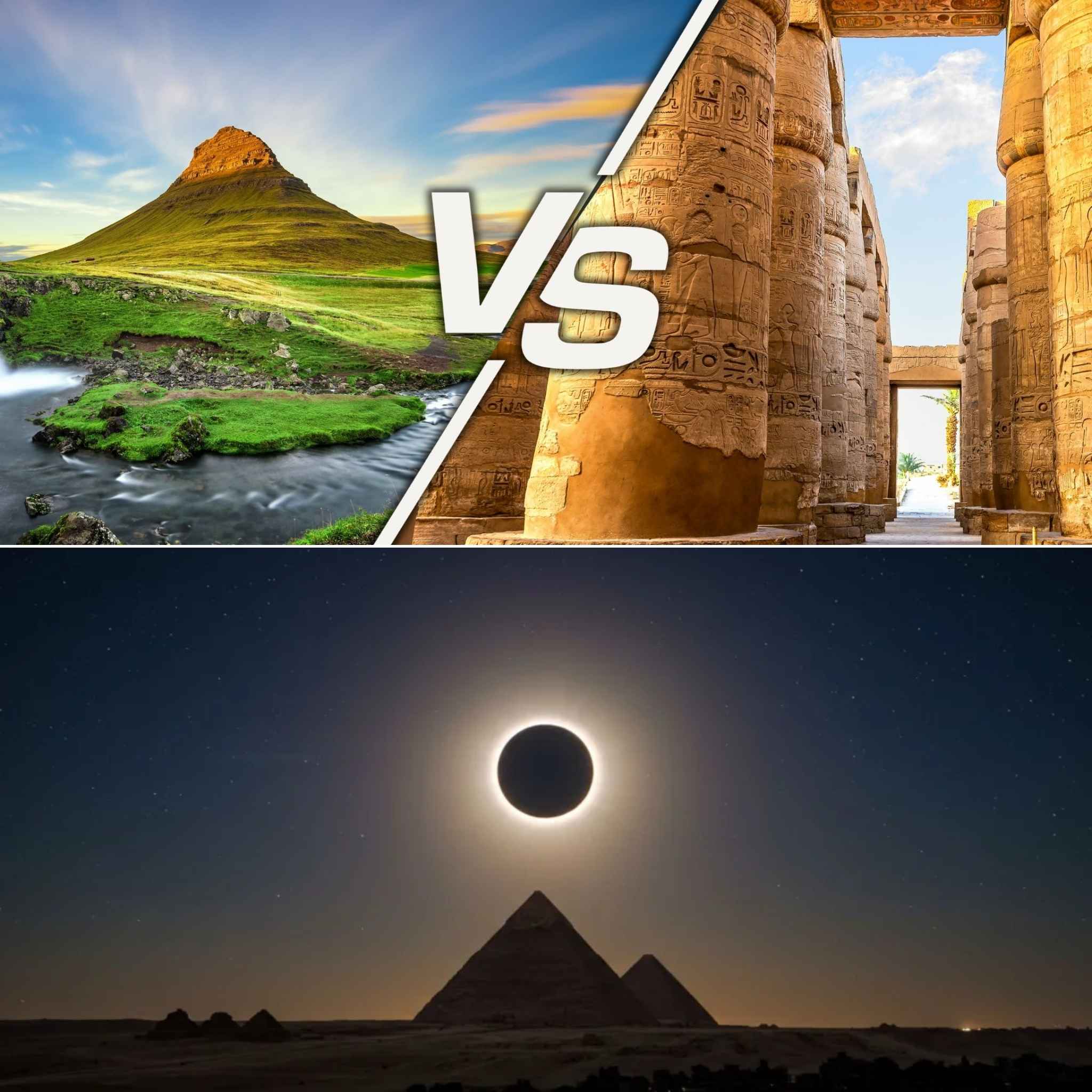
Here’s a detailed comparison of the 2026 and 2027 eclipses, helping you decide which one to chase.
The Eclipse in 2026: The Dramatic Sunset Effect
The August 12, 2026, total solar eclipse will be a unique spectacle for viewers in Europe, particularly in Spain, Iceland, and parts of Greenland. The path of totality will stretch across the Northern Hemisphere, offering the rare opportunity to witness a total eclipse near sunset.
For European viewers, this event is particularly significant. It will be the first total solar eclipse visible over mainland Europe since 1999. The path of totality will include cities like Reykjavik, Iceland, and several in northern Spain, including Bilbao, Zaragoza, and León. For those based in Western Europe, the eclipse will be just a short drive away, making it an easily accessible event. Additionally, Spain — which is already a popular summer destination — will receive around 11 million visitors during August, so eclipse chasers are likely to find a welcoming atmosphere for their viewing experience.
One of the key features of this eclipse is the timing. As the eclipse approaches sunset, the low angle of the sun will create a dramatic visual effect, especially in southern regions of Spain. Locations like the Balearic Islands will witness a rare occurrence: a solar eclipse just before sunset, which will create stunning visuals as the sun is partially obscured.
However, there are trade-offs. The eclipse’s duration will be relatively short, with totality lasting only slightly over two minutes — less than the long-lasting eclipses in 2027. Additionally, there is a risk of cloudy weather in Iceland and northern Spain, which could obscure the view. The wildfire season in Spain may also result in a smoky atmosphere, potentially hindering visibility. Nonetheless, the dramatic setting, combined with the chance to witness the eclipse at sunset, makes this event one of the most unique solar eclipses of the decade.
[Image: Crowds gathering in Spain to witness the eclipse.]
The Eclipse in 2027: The “Eclipse of the Century”
A year later, on August 2, 2027, the total solar eclipse will be even more extraordinary — earning the nickname “eclipse of the century.” This event will have the longest duration of totality since 1991, with the moon covering the sun for an impressive 6 minutes and 22 seconds in the region of Luxor, Egypt. Not only will this eclipse be the longest inland totality until 2114, but it will also offer an extraordinary opportunity to witness the solar corona in greater detail.
The path of totality will traverse southern Spain, North Africa, and the Middle East, with Egypt’s Luxor becoming a focal point for many eclipse chasers. Luxor, home to the ancient Karnak Temple and the Valley of the Kings, offers a remarkable backdrop for the eclipse. Those traveling to Egypt will have the chance to witness the celestial event while surrounded by thousands of years of history. The high probability of clear skies in this region adds to the appeal.
However, there are also significant trade-offs. The heat in Luxor can be intense, with average temperatures reaching 105°F (41°C) during the summer. Travelers will need to prepare for this sweltering heat, as well as the logistical challenges of reaching remote areas. The crowds are expected to be substantial, particularly for those hoping to view the eclipse in Luxor. Due to the lengthy duration of totality, organized tours will likely sell out, making it a competitive and potentially expensive venture.
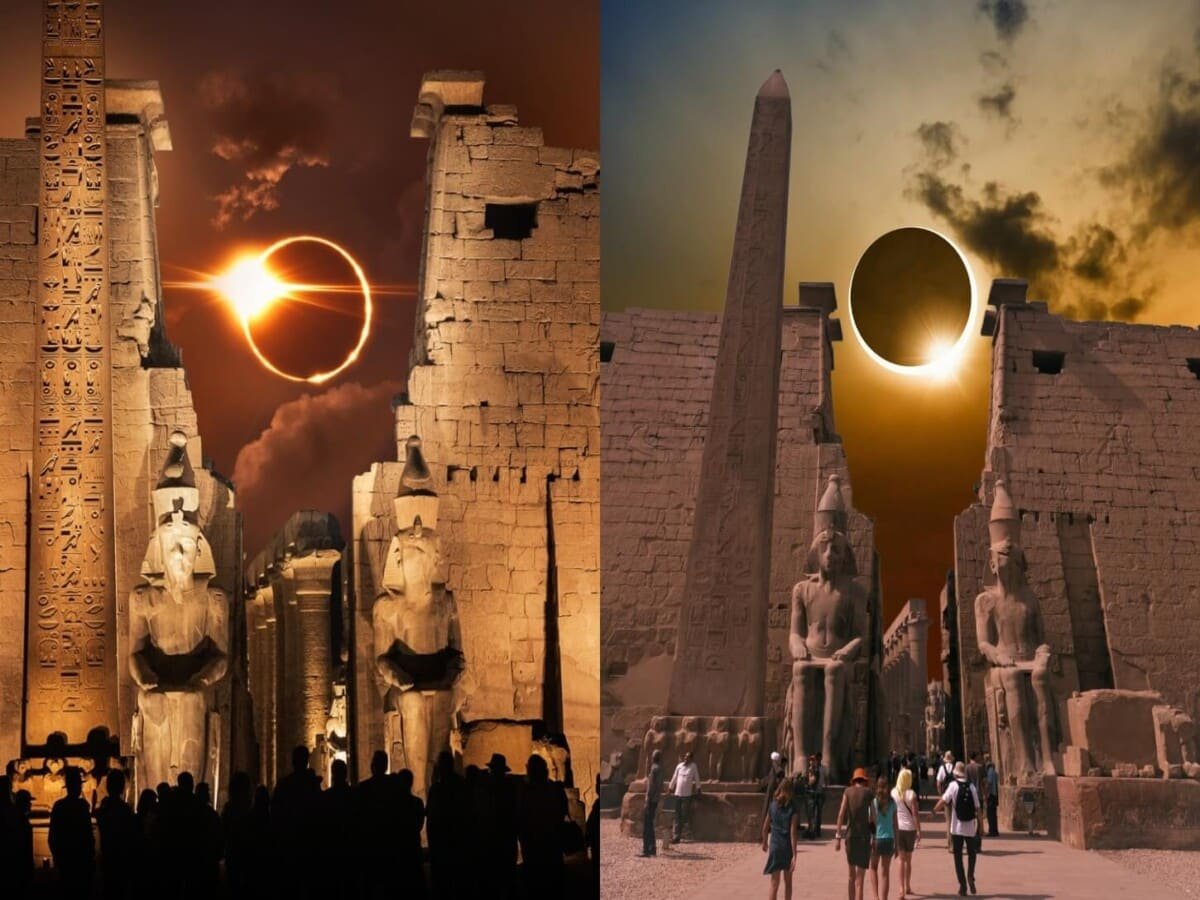
For many, however, the lengthy totality and the remarkable views of the sun’s corona will make it all worthwhile. The 2027 eclipse is expected to be a breathtaking visual spectacle, offering the chance to experience the celestial phenomenon in a way that is hard to replicate elsewhere.
Comparing the Two Eclipses: Key Differences
Now that we’ve covered both events, it’s time to compare them based on the most important factors for eclipse chasers:
Duration of Totality
The 2027 eclipse is the clear winner when it comes to duration. With a totality of over six minutes, this event will give you ample time to enjoy the spectacle. In comparison, the 2026 eclipse will last only about two minutes, making it a much shorter experience.
Weather and Accessibility
The 2026 eclipse will be much more accessible for European travelers. It’s also easier to reach by car and more affordable to travel to than the 2027 eclipse. However, cloud cover and wildfire smoke may hinder visibility in some regions.
On the other hand, the 2027 eclipse is more likely to occur under clear skies in North Africa, especially in Egypt. But the extreme heat in Luxor, along with the challenges of organizing travel and securing a good viewing location, may deter some travelers.
Visual Experience
The 2026 eclipse’s low angle near sunset will create a dramatic effect, especially in southern Spain, making it an unforgettable experience for those lucky enough to witness it. The 2027 eclipse, however, offers the rare opportunity to view the solar corona in greater detail, thanks to its longer duration and clearer skies in North Africa.
Crowds and Logistics
Both eclipses are expected to draw significant crowds. However, the 2027 eclipse will likely see more concentrated crowds in southern Spain and Egypt, particularly in Luxor. The competition for prime viewing spots, combined with the high costs of travel, may make the 2027 eclipse a more difficult event to attend for some.
Conclusion: Which Eclipse Should You Choose?
Ultimately, your decision will depend on your priorities. If you want to witness the longest totality in recent history and don’t mind the potential heat and logistical challenges of traveling to Egypt, the 2027 eclipse will be a once-in-a-lifetime experience. The chance to see the eclipse with such a long duration — especially in a historic location like Luxor — makes this event hard to pass up.
However, if you prefer a more accessible location and the chance to witness a dramatic sunset eclipse, the 2026 event in Europe may be the better option. It offers a unique experience in Spain and Iceland, with the added benefit of easier travel and fewer logistical hurdles.
No matter which eclipse you choose, one thing is certain: both will offer stunning views of the sun and moon, providing an unforgettable spectacle for all who are fortunate enough to be in the path of totality.