SpaceX is on the verge of a major milestone. The aerospace company’s next-generation Starship megarocket, the largest and most powerful vehicle ever built, is scheduled for its debut flight on May 19, 2026. This marks the start of a new era for space travel, one that could see humanity take its first steps on the Moon, Mars, and beyond.
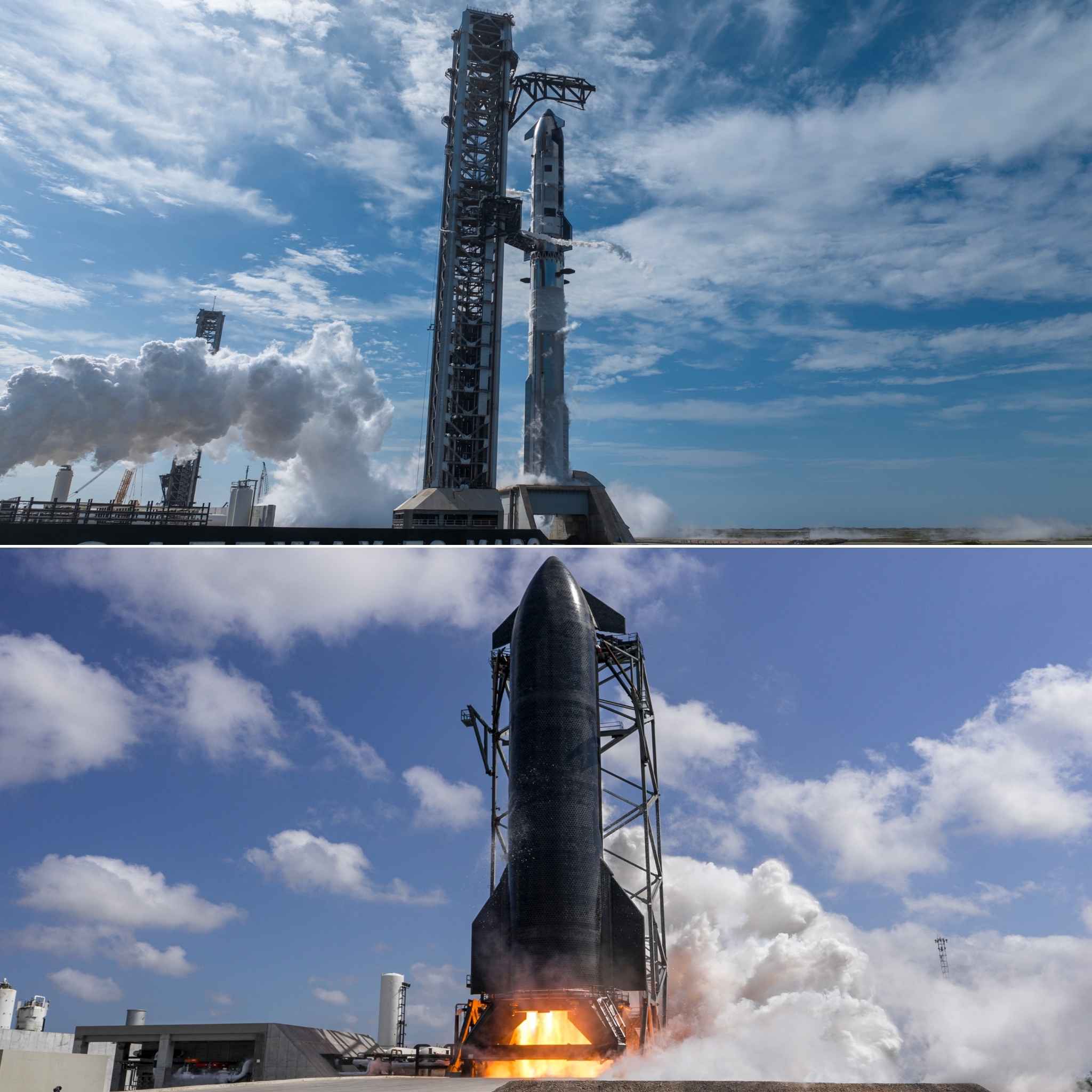
The Starship V3: Bigger, Better, and More Capable
The Starship V3 is not just another iteration of SpaceX’s previous designs; it’s a complete redesign that comes with several significant improvements, both in design and technology. With more power, enhanced reusability, and the ability to perform advanced operations like in-space propellant transfer, V3 aims to be the vehicle that will carry humanity to new frontiers.
In this article, we’ll explore the upgrades, modifications, and unique capabilities of the Starship V3, as well as what we can expect from its first mission on May 19, 2026.
Launch Date and Location
SpaceX’s Starship V3 is set to launch on May 19, 2026, with a 90-minute window beginning at 6:30 p.m. EDT (2230 GMT). The rocket will lift off from SpaceX’s Starbase site in South Texas, marking the first test flight of the new Starship model.
This will be the 12th flight overall for Starship, which has garnered significant attention in the space community. While the previous Starship flights were crucial tests, the V3 version introduces a range of improvements and features aimed at making the rocket more capable, more efficient, and more reliable for future missions, including crewed missions to the Moon and Mars.
Super Heavy First Stage: A Powerful Redesign
One of the most exciting updates to the Starship V3 is the redesign of its Super Heavy first stage. SpaceX engineers have made several modifications, including the addition of three grid fins that help steer the booster back to Earth for recovery and reuse. The new grid fins are 50% larger and stronger than their predecessors, providing enhanced stability during reentry.
In addition to the new grid fins, SpaceX has integrated a new fuel transfer tube into the Super Heavy booster. This tube, which channels cryogenic fuel from the main tank to the 33 Raptor engines, has been redesigned for faster and more reliable engine startups.
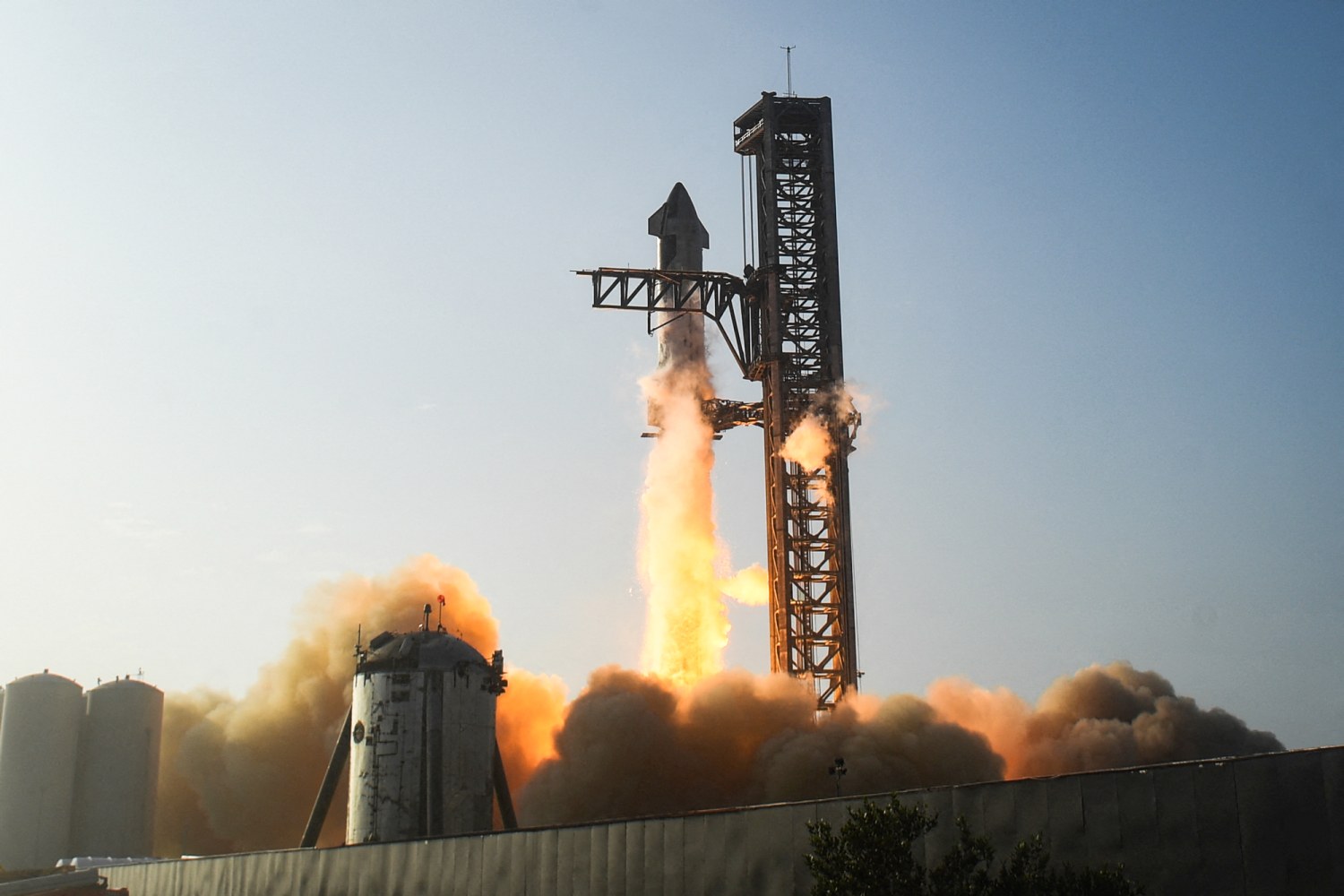
The most significant improvement, however, is the hot stage feature. Unlike earlier versions of Starship, the V3 will keep the hot stage integrated into Super Heavy rather than discarding it during flight. This modification is designed to increase the overall efficiency of the rocket and improve the chances of a successful mission.
Starship V3: New Propulsion System and Enhanced Performance
The Starship V3 upper stage, often referred to as Ship, also benefits from a complete overhaul of its propulsion system. SpaceX engineers have redesigned the entire propulsion mechanism to support Raptor startup methods that are faster and more reliable. These updates will help improve the reaction control system, which is responsible for steering the spacecraft while it is in flight.
One of the most impressive features of the V3 is its ability to transfer fuel off-Earth, a critical capability for deep-space missions. The spacecraft is equipped with propellant feed connections, enabling it to fuel up in space, an essential task for long-term missions to the Moon, Mars, and beyond.
The V3 Raptor: More Powerful Than Ever
A major upgrade to the Starship V3 is the V3 Raptor engine. This new engine has been made more powerful, ensuring that the rocket can carry heavier payloads, such as scientific instruments, crewed missions, and cargo, into space with greater efficiency.
SpaceX also claims that the V3 Raptor offers enhanced performance, which will be crucial for the extended missions to the Moon and Mars that Starship is intended to carry out. The new engine’s added power is expected to help propel Starship to higher altitudes and carry heavier loads, making it a vital component for future space exploration.
Starbase’s Pad 2: The New Launchpad for the Future
Another key element of the Starship V3 debut is the use of Pad 2 at SpaceX’s Starbase launch site in South Texas. This new launchpad will be used to fuel Starship much faster than previous pads and features shorter booster-catching chopsticks. This advanced infrastructure is designed to allow for quicker turnaround times and is a critical part of SpaceX’s plans to make Starship fully and rapidly reusable.
The launch pad has been specially designed to handle the massive size of the Starship V3 and accommodate its intricate fueling needs. With Pad 2 now in place, SpaceX will be able to continue refining the rocket’s systems and set the stage for future missions, including Starship’s planned trips to the Moon and Mars.
The Maiden Flight: What to Expect
As for the maiden flight itself, it will be a relatively low-risk test of the Starship V3. The launch will be a suborbital flight, meaning that Starship will not yet travel to orbit but will instead follow a path over the Earth before splashing down in the Indian Ocean off the coast of Western Australia.
Approximately 17.5 minutes after liftoff, Starship will begin deploying 22 dummy Starlink V2 satellites — a move that will help SpaceX gather valuable data for future missions. The spacecraft will also perform a heat shield test during the flight, which will be critical for understanding how the spacecraft’s protective layers will perform during reentry.
After the deployment of the satellites, Ship will splash down about 65 minutes after launch, and Super Heavy will perform a soft splashdown in the Gulf of Mexico. As the first flight test of a significantly redesigned vehicle, the booster will not attempt a return to the launch site for recovery, but future flights will include this bold maneuver.
Anticipation Builds for the Future
SpaceX’s Starship V3 flight is more than just a test flight; it’s a key step toward the realization of SpaceX’s larger vision for space exploration. The goal is to develop a fully reusable rocket system that can transport people and cargo to distant destinations, including the Moon and Mars. If successful, this flight will set the stage for future crewed missions and other space exploration projects.
While Starship Flight 12 may not be as dramatic as future crewed missions, it will nonetheless be a historic moment in spaceflight history. The spacecraft will demonstrate the cutting-edge technology that will power the next generation of space exploration.
What’s Next for SpaceX and Starship?
Looking ahead, the Starship V3 rocket will play a critical role in SpaceX’s long-term goals, including NASA’s Artemis program to return humans to the Moon by 2028 and SpaceX’s own plans to establish a human presence on Mars. The success of this flight, if all goes to plan, will be a giant leap toward those ambitious objectives.
The debut of the Starship V3 on May 19 will be a major milestone for SpaceX, and the space community is watching closely to see how this next-generation rocket performs. If successful, it will be a momentous achievement for the private space company and the entire field of space exploration.
With Starship’s future looking brighter than ever, the upcoming debut launch is only the beginning of what promises to be an exciting chapter in the history of human space travel. Stay tuned for live coverage and more updates as SpaceX embarks on this groundbreaking journey.