The ocean remains one of Earth’s last frontiers, concealing a plethora of mysteries and treasures beneath its waves. Recent discoveries have reignited debates among scientists and treasure hunters alike, with some asserting that these findings could reshape our understanding of human history.
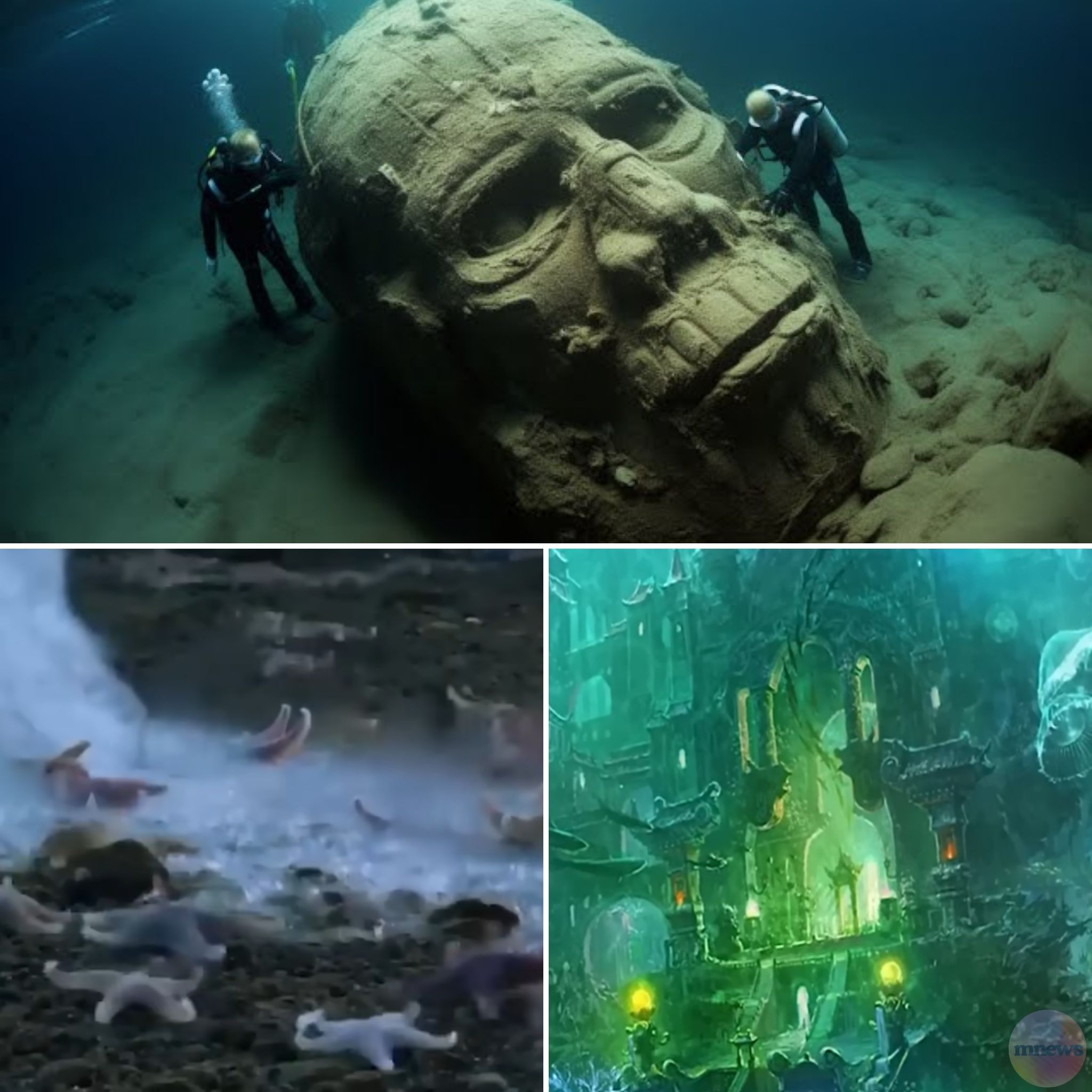
One of the most controversial discoveries is the Yonaguni Monument off the coast of Japan. Diver Kihachiro Aratake first encountered this massive underwater structure in 1986, measuring over 60 meters long. While some experts, like Masaaki Kimura, argue it is evidence of an ancient civilization, others believe it is merely a natural formation shaped by erosion. This ongoing debate illustrates the challenges of interpreting underwater archaeology.
Another significant find is the ancient city of Heraklion, submerged off the Egyptian coast. Discovered in 2000, this lost city is believed to have vanished in a catastrophic earthquake and tsunami over 2,000 years ago. Archaeologists have unearthed remarkable artifacts, including colossal statues and ancient coins, hinting at a rich history that awaits further exploration.
Treasure hunting also plays a vital role in uncovering historical artifacts. The 2015 discovery of the Spanish galleon Nuestra Señora de Atocha, lost in a storm in 1622, revealed treasures worth an estimated $17 billion. However, the legal battles over these riches highlight the complexities surrounding ownership and heritage.

In a more bizarre turn of events, amateur diver John Crouse found a 125-year-old bottle of beer in the Atlantic Ocean, prompting scientific investigations into historical brewing practices. This discovery showcases how even seemingly trivial finds can contribute to our understanding of the past.
The ocean’s depths also harbor peculiar phenomena, such as the Baltic Sea Anomaly, a mysterious circular object that has sparked theories ranging from ancient shipwrecks to extraterrestrial artifacts. While some scientists attribute it to natural geological processes, the true nature of this anomaly remains elusive.
Additionally, the Cenote Angelita in Mexico presents a surreal underwater landscape, where fresh and saltwater create the illusion of a flowing river beneath the surface. Such natural wonders remind us of the ocean’s ability to astonish and confound.

The ocean is not just a repository of lost civilizations and treasures; it is a living laboratory, home to unique species and ancient remains. The discovery of Darwin’s puijila, an ancient mammal, exemplifies the ocean’s potential to reveal evolutionary links long buried in time.
Globsters, unidentified carcasses that wash ashore, continue to baffle scientists and fuel speculation about unknown marine life. These mysterious finds exemplify the ocean’s unpredictability and the ongoing quest to understand its depths.
As only 5% of the ocean’s floor has been explored, the potential for groundbreaking discoveries remains vast. The ocean holds secrets that could redefine our history and understanding of life on Earth. The urgent call to explore and protect these underwater realms has never been more critical.