In an extraordinary breakthrough that could reshape our understanding of primate evolution, a newly discovered species of ancient ape, Masripithecus moghraensis, has been identified from fossils found in northern Egypt. This discovery challenges the long-held belief that East Africa was the sole cradle of our ape ancestors and opens up new possibilities for the origin and migration of hominoids — the group that includes gibbons, orangutans, gorillas, chimpanzees, bonobos, and humans. (National Geographic)
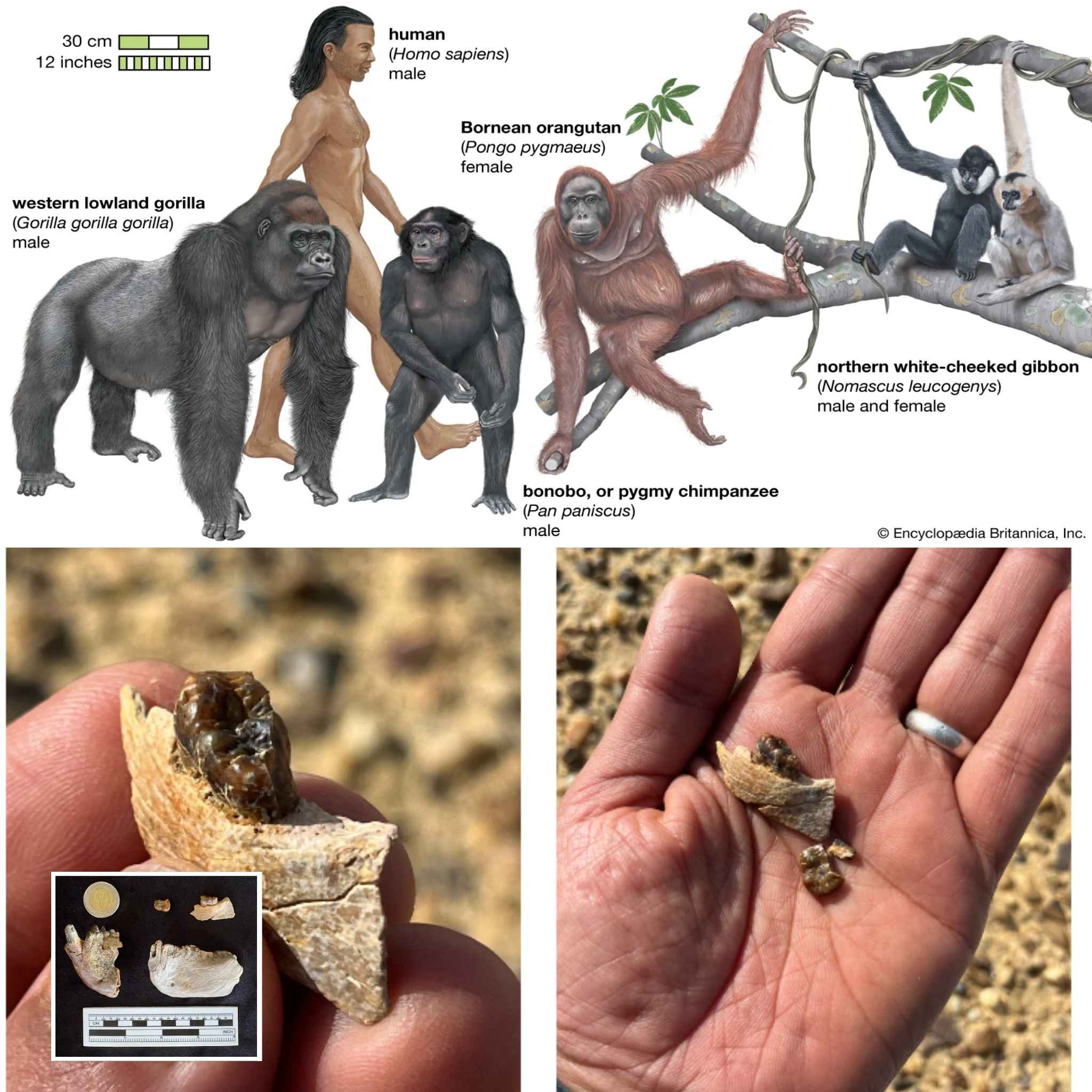
The fossil, which includes a jawbone and teeth believed to be 17 to 18 million years old, was unearthed from the Wadi Moghra region. These fossils provide the first concrete evidence of a prehistoric ape living in North Africa during the early Miocene period, far earlier than previously thought.
🦴 How the Discovery Unfolded
The breakthrough came in spring 2024 when paleontologists led by Hesham Sallam, a National Geographic Explorer and professor at Mansoura University in Egypt, and his team were exploring the dry valley of Wadi Moghra. Although they had previously found fossilized monkeys in the region, the team had never expected to find an ape fossil.
One day, as Sallam examined a peculiar fragment of jawbone, Shorouq Al-Ashqar, a fellow researcher, handed him another fossilized fragment of jaw. “Dr. Hesham, we found an ape,” she quietly said. Upon closer inspection, Sallam immediately recognized the significance of the find, exclaiming, “This looks like us.” The discovery was an incredible serendipity. (National Geographic)
The jawbone belonged to a previously unknown genus, which was subsequently named Masripithecus moghraensis — “Masri” referring to Egypt in Arabic and “pithecus” from the Greek word for “monkey.” The species name, “moghraensis,” references the location of the discovery, Wadi Moghra. (Nature)
🌍 Masripithecus and the Ape Family Tree
Masripithecus moghraensis lived during the early Miocene, around 17 to 18 million years ago, predating the spread of modern apes into Eurasia. This species exhibits features that closely resemble what scientists predict the common ancestor of all hominoids would have looked like. This could dramatically alter the timeline and geography of where and when the ancestors of modern apes emerged.
Unlike other ancient apes found in East Africa, this species suggests that early hominoids might have originated in North Africa. This challenges the long-standing view that East Africa was the primary center for early ape evolution. According to Shorouq Al-Ashqar, one of the lead paleontologists on the project, “We believe it’s the closest relative to the living apes and their ancestors.” (Science News)
🦷 A Glimpse into the Past: Features of Masripithecus moghraensis
The jawbone fragments of Masripithecus moghraensis reveal a remarkable set of teeth, with molars that have low, strongly wrinkled crowns and thick enamel, perfectly suited for a diet of hard fruits, nuts, and seeds — a reflection of the seasonal wet forests that once existed in the region. These characteristics highlight the species’ adaptation to the environment and its dietary needs. (Paleontology Research Journal)
Researchers believe the molar shape of M. moghraensis could provide vital clues to the behaviors and environmental conditions that shaped early ape evolution. The robust teeth suggest that, like modern apes, M. moghraensis may have had a frugivorous diet but could also have eaten tougher foods when resources were scarce.
👤 The Significance of the Find
The discovery of Masripithecus moghraensis is crucial in shifting the traditional narrative of early ape evolution. Most of the Miocene ape fossils previously found in East Africa were believed to be the early ancestors of modern apes. However, the new findings in North Africa challenge this and suggest that the initial spread of hominoids could have taken place from North Africa into Eurasia, enriching our understanding of early ape migration.
Sallam, who led the excavation, has described the discovery as a “window” into a new perspective on how ancient apes spread across the globe. He believes many more fossils are waiting to be found in this region, adding that Wadi Moghra may be just the beginning. “[I’m sure there are many more fossils to be found in this area and beyond],” he said. (National Geographic)
🌍 Global Implications: A Shifting Narrative
The implications of this discovery stretch far beyond just Masripithecus moghraensis. According to David Alba, a paleontologist at the University of Barcelona, the discovery challenges long-held beliefs about hominoid fossils in Africa. He noted that North Africa had long been overlooked in favor of East Africa, and the discovery of M. moghraensis “opens a new chapter” in understanding early ape evolution.
Alba also pointed out that while many of the fossilized records from East Africa have shaped modern understanding of primate evolution, this new find pushes us to reconsider the geographical roots of hominoid ancestors. As he stated, “It is important, but not totally unexpected, to find early hominoid fossils in northern Africa.”
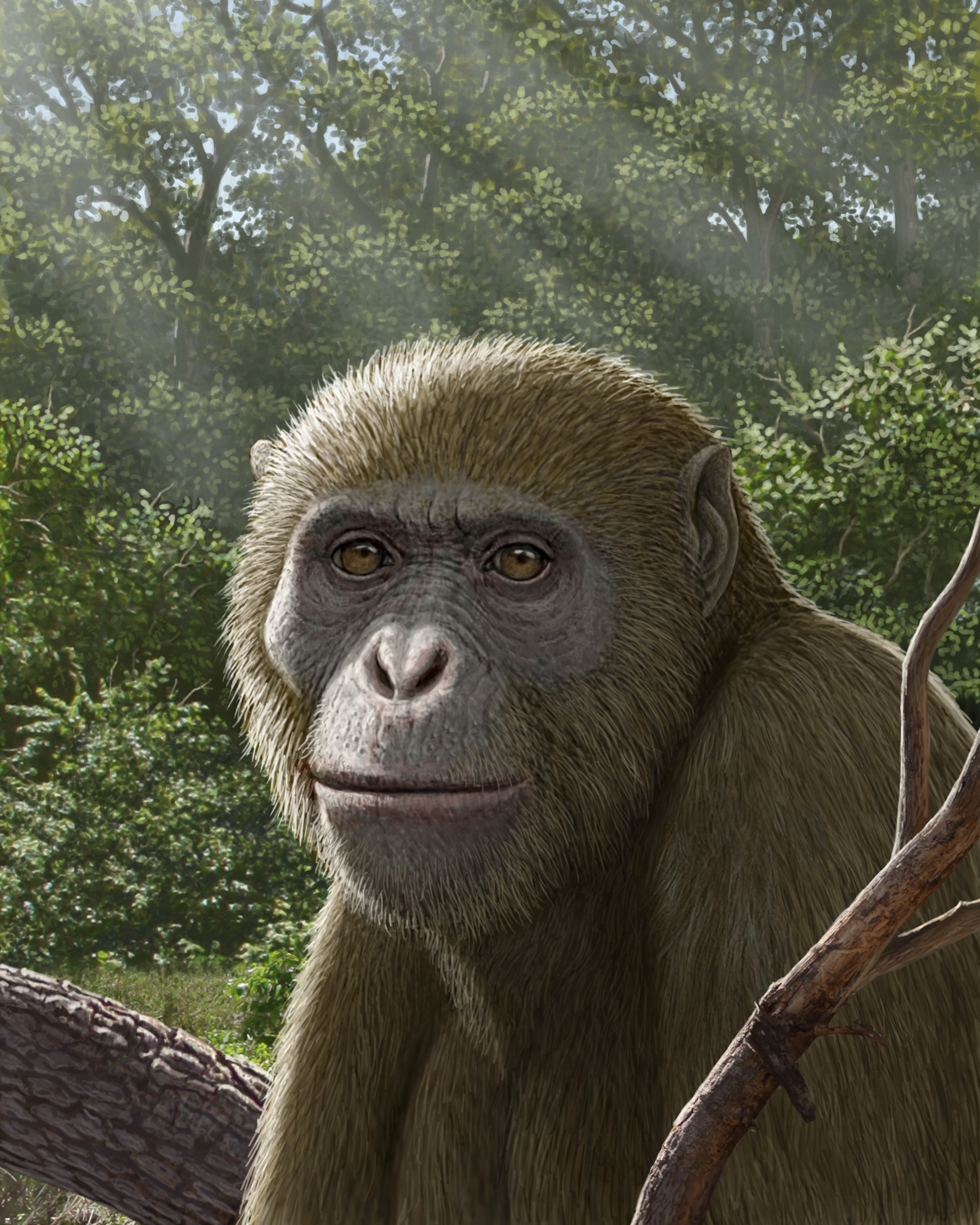
The 3D reconstruction of the Masripithecus moghraensis provides a visual connection to ancient apes that lived long before any of the present‑day great apes. It also poses a challenge to previous assumptions about the migratory paths of early hominoids, particularly concerning how apes could have spread to Eurasia much earlier than previously thought. (Ellen Miller, National Geographic)
🔬 The Dawn of Ape Evolution
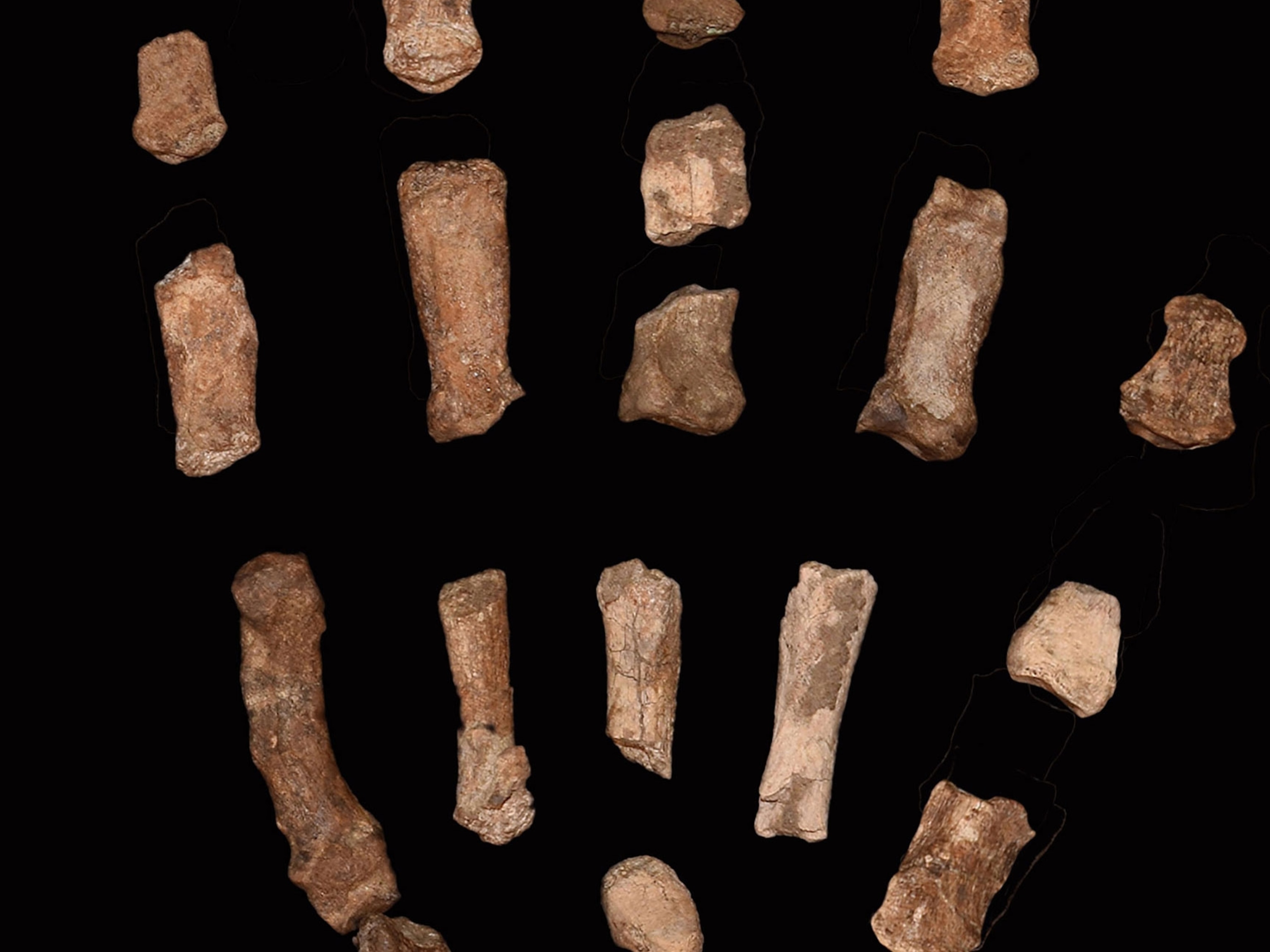
Thorough comparisons of Masripithecus moghraensis with other Miocene ape fossils suggest that this species is a mosaic of older East African apes and later Eurasian apes. Its features blend what is observed in both African and Eurasian species, confirming that early apes had a far-reaching presence across the globe, not confined to just East Africa.
As Sallam and his colleagues explain, the days of the “dawn of the apes” came when sea levels dropped, and a land bridge emerged that allowed apes to migrate across Eurasia. Once the apes crossed into new regions, they began to evolve and diversify, leading to the formation of modern apes. This migration and diversification are key to understanding how early apes adapted and thrived across such vast areas. (Alba, University of Barcelona)
🗺️ The Future of Ape Evolution Research
Though this discovery represents a significant breakthrough, researchers caution that it is only the beginning of further investigations into ancient primates in North Africa. The region’s fossil record is still relatively under-explored, and many more discoveries could emerge to continue reshaping our understanding of primate history.
As Ellen Miller from Wake Forest University points out, “The recovery of Masripithecus moghraensis is a welcome surprise, and its implications for future research are vast. It’s tempting to draw arrows on maps now, but this is only the start of what could be many more discoveries in this area.”
Conclusion: A New Chapter in the Story of Ape Evolution
The discovery of Masripithecus moghraensis in northern Egypt marks a groundbreaking shift in the study of primate evolution. This new species could potentially redraw the ape family tree, suggesting that North Africa, not East Africa, may have been the origin of the common ancestor of all modern apes. With further exploration and research, the story of how early apes evolved and migrated across the globe is far from over — and Masripithecus moghraensis may very well be the key to unlocking new chapters in the evolutionary history of hominoids.
📜 What Do You Think?
Does this new discovery change the way we think about human evolution? How do you think future discoveries will impact our understanding of apes’ origins? Share your thoughts below!