An Ancient Discovery That Redefines Neanderthal History
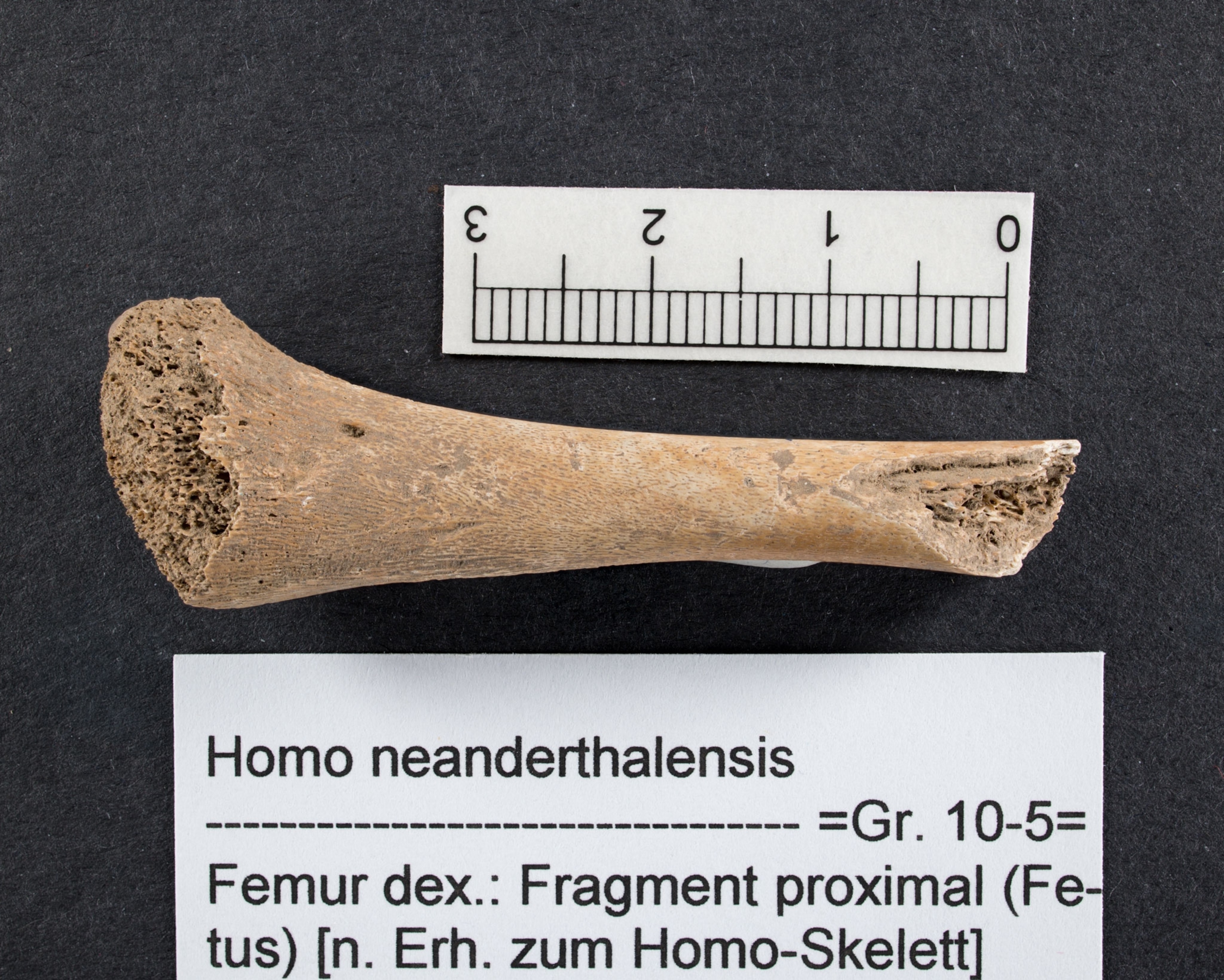
The story of the Neanderthal fetus, discovered in 1968-1970 in the Sesselfelsgrotte rock shelter in southern Germany, is one that sheds new light on the tragic and mysterious decline of the Neanderthal population. The skeletal remains, which went unnoticed in museum collections for decades, have now become a cornerstone of modern paleoanthropology. In 2006, a scientist confirmed that the remains belonged to a Neanderthal fetus that was almost due to be born 55,000 years ago.
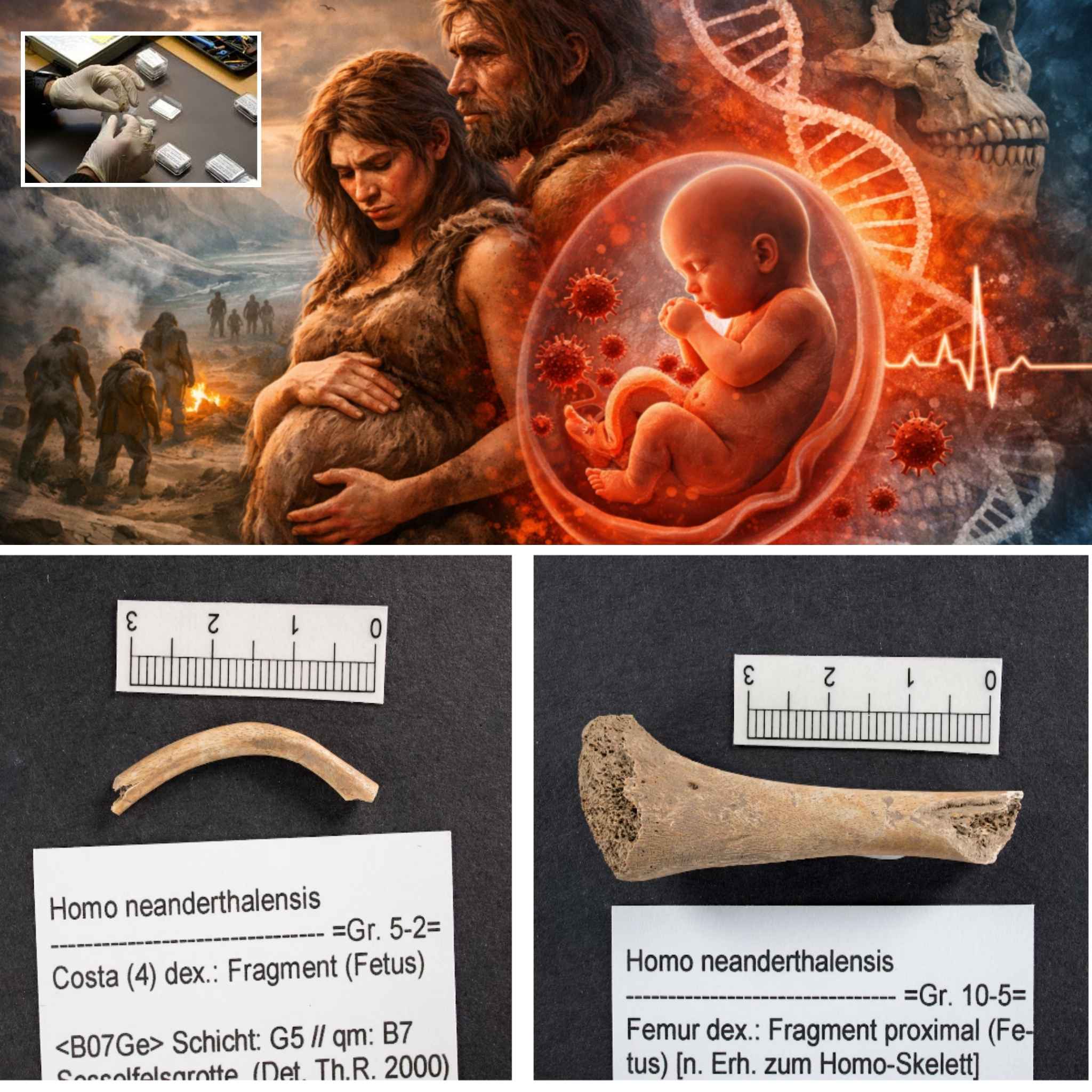
Now, thanks to the work of Alvise Barbieri, a National Geographic Explorer and archaeologist at Portugal’s University of the Algarve, and his team, ancient DNA from the fetus has been sequenced, revealing a dramatic genetic bottleneck that reshaped Neanderthal history long before they went extinct. These findings, published in Proceedings of the National Academy of Sciences, provide crucial insights into Neanderthal genetics and the environmental and demographic stresses that led to their eventual disappearance.
🦴 The Discovery of the Neanderthal Fetus
The small skeletal fragments—femur, fibula, and ribs—were initially thought to belong to a modern human fetus, but re-examination of these remains in the 1990s revealed their true origin. The bones, still in a relatively undeveloped state, were unlike any other known fossils of Neanderthal children, as only a few similar specimens have been discovered worldwide. These fossils represented an extraordinary glimpse into the lives of pre-birth Neanderthals.
Paleontologist Alvise Barbieri and his colleagues extracted mitochondrial DNA from the fetus, which provided new insights into its genetic lineage. The mitochondrial genome revealed that the fetus belonged to an older branch of the Neanderthal family tree—one that existed long before the final Neanderthal lineage that dominated Europe and ultimately went extinct around 40,000 years ago.
🔬 The Neanderthal Genetic Bottleneck
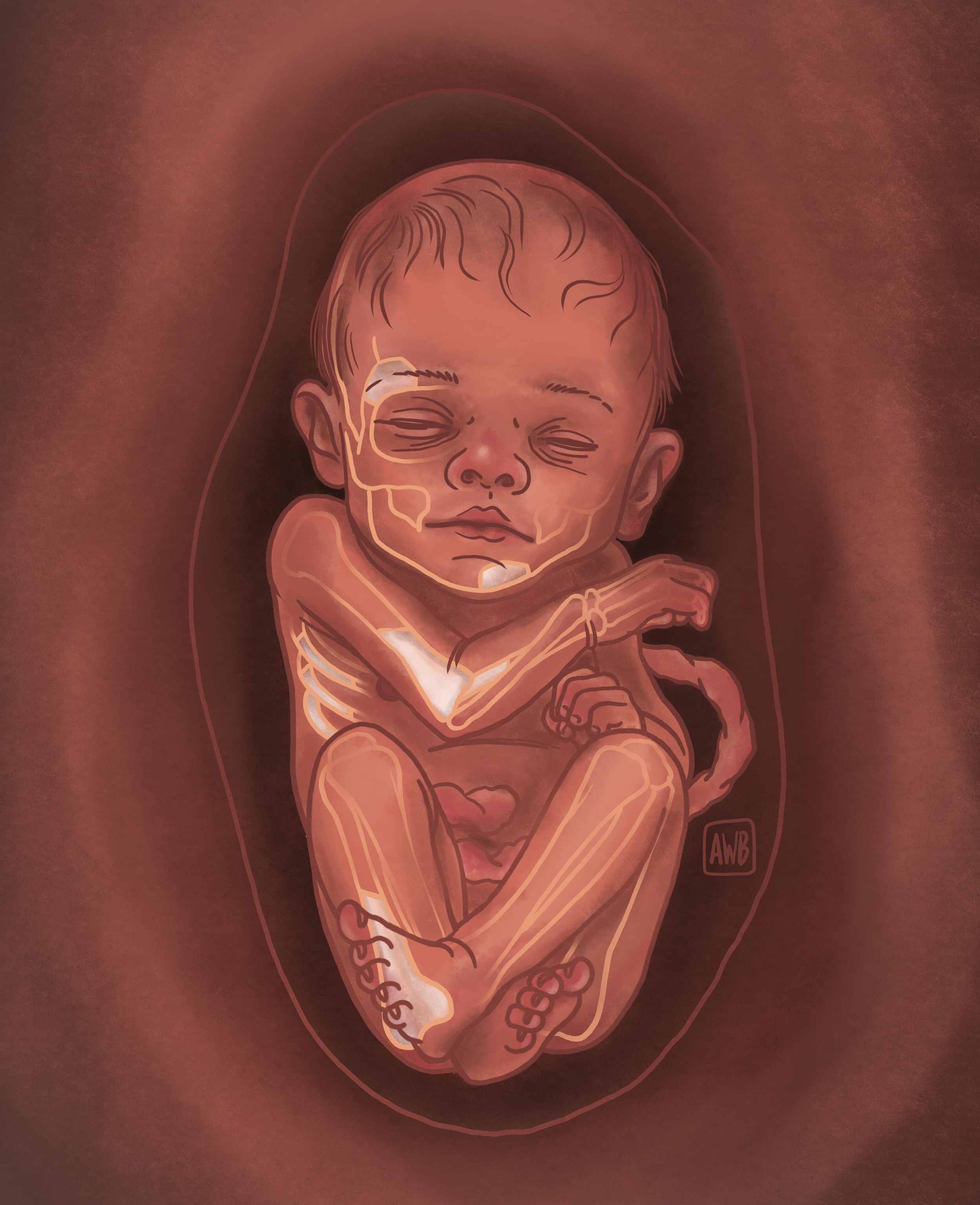
The findings of the ancient DNA sequencing suggest that Neanderthals experienced a genetic bottleneck roughly 65,000 years ago, before their final population collapse. A genetic bottleneck occurs when a species experiences a dramatic reduction in its genetic diversity, which can lead to inbreeding and vulnerability to environmental changes. This event appears to have occurred when the Neanderthal population was pushed into southern France, likely due to the expansion of ice sheets across Europe during the Ice Age.
The bottleneck likely confined Neanderthals to a “glacial refugium” in southwestern France, where they were isolated and struggled to maintain genetic diversity. As the climate warmed and the ice sheets retreated, the Neanderthal population slowly expanded again, but this new, smaller population was genetically homogeneous, lacking the genetic diversity that might have helped them adapt to environmental pressures.
🧬 The Analysis of Ancient DNA
Using the mitochondrial genome of the Neanderthal fetus and other Neanderthal remains from across Europe, the research team was able to pinpoint the genetic differences between early Neanderthals and later populations. They found that the fetal lineage represented a distinct genetic branch, separate from the final Neanderthal population that roamed Europe during the late Pleistocene.
The analysis of these ancient genomes has provided researchers with the most precise estimate yet of when the Neanderthal population suffered its genetic collapse. Researchers believe that this population crash was largely driven by climatic changes that forced Neanderthals into smaller, isolated territories with limited resources. The bottleneck limited their genetic diversity, ultimately weakening the population’s ability to adapt to changing environmental conditions.
🌍 Neanderthal Population Dynamics: A Demographic Crisis
According to Joshua Akey, a geneticist at Princeton University who was not involved in the study, the data highlight the demographic stresses faced by the Neanderthals in the years leading up to their extinction. The rapid decline in their population suggests that Neanderthals were already experiencing genetic problems long before their eventual disappearance.
The genetic similarity seen in the final Neanderthal populations suggests that they had already faced extreme bottlenecking and inbreeding, which further compromised their ability to survive. The research supports the theory that climate change, combined with limited genetic diversity, likely played a critical role in Neanderthal extinction.
🧸 Comparing Neanderthal and Modern Human Fetal Development
In addition to the genetic analysis, the team also examined the prenatal bone development of the Neanderthal fetus. By comparing it to a modern human fetus, the researchers were able to identify similarities and differences in early development. While the Neanderthal fetus showed some anatomical features similar to modern humans, it also exhibited distinct differences, helping scientists piece together a more complete picture of Neanderthal development.
Barbieri’s work adds to the growing body of evidence that the Neanderthals, while closely related to modern humans, were a distinct species with unique characteristics. The prenatal development of Neanderthals could provide insights into their biology and their relationship to modern humans.
🧠 The Evolutionary Impact
Ellen Miller, a paleoanthropologist at Wake Forest University, who was not involved in this study, emphasized the importance of the finding. “The recovery of Masripithecus moghraensis makes it tempting to draw arrows on maps,” she said. “Almost everything we know from early Miocene apes comes from sites in East Africa, and then there are lots of apes known from middle Miocene sites in Eurasia,” she adds, pointing out how groundbreaking this discovery of Neanderthal remains in northern Africa could prove to be. (National Geographic)
🧬 Implications for Neanderthal Extinction
While Neanderthals’ disappearance around 40,000 years ago has been attributed to various factors — competition with Homo sapiens, climate change, and interbreeding — the new study suggests that the population collapse due to genetic bottlenecking may have been a key factor in their eventual extinction. With a reduced ability to adapt to environmental pressures, Neanderthals may have been outcompeted by modern humans, who had a larger genetic pool and greater adaptability to changing climates.
John Hawks, a paleoanthropologist from the University of Wisconsin‑Madison, who was not involved in the study, also echoed this sentiment, noting that later European Neanderthals likely emerged from a small founder population that lived after the bottleneck event. This aligns with earlier hypotheses that the decline in Neanderthal diversity played a major role in their extinction. (Science Direct)
🔍 Looking Forward: The Future of Neanderthal Research
The discovery of the 55,000‑year‑old Neanderthal fetus is only the beginning of a new era of research into the genetics and development of Neanderthals. Barbieri and his team continue to search for further fossils that can help reconstruct the paleobiology of Neanderthals and their interactions with early humans.
As Barbieri noted, “We have opened a big window for everybody to start thinking outside of East Africa.” This is a critical development in understanding the full picture of human evolution and the Neanderthal extinction process. With future discoveries and advancements in ancient DNA technology, scientists are likely to continue unraveling the mysteries of our closest evolutionary relatives.
🌟 Conclusion: The Puzzle Pieces of Neanderthal Extinction
This remarkable discovery of a Neanderthal fetus — combined with the advanced sequencing of ancient DNA — has revealed more about Neanderthal biology and the genetic pressures they faced leading up to their extinction. The research indicates that genetic bottlenecks likely played a key role in the Neanderthals’ decline, reshaping our understanding of early human evolution and the forces that shaped our ancestors.
As we continue to uncover new evidence and apply cutting-edge technology, we may one day be able to piece together the full story of the Neanderthal legacy and their lasting impact on the evolutionary history of humanity.
If you’d like, I can also tailor this article into a summary or engagement-focused social media post.