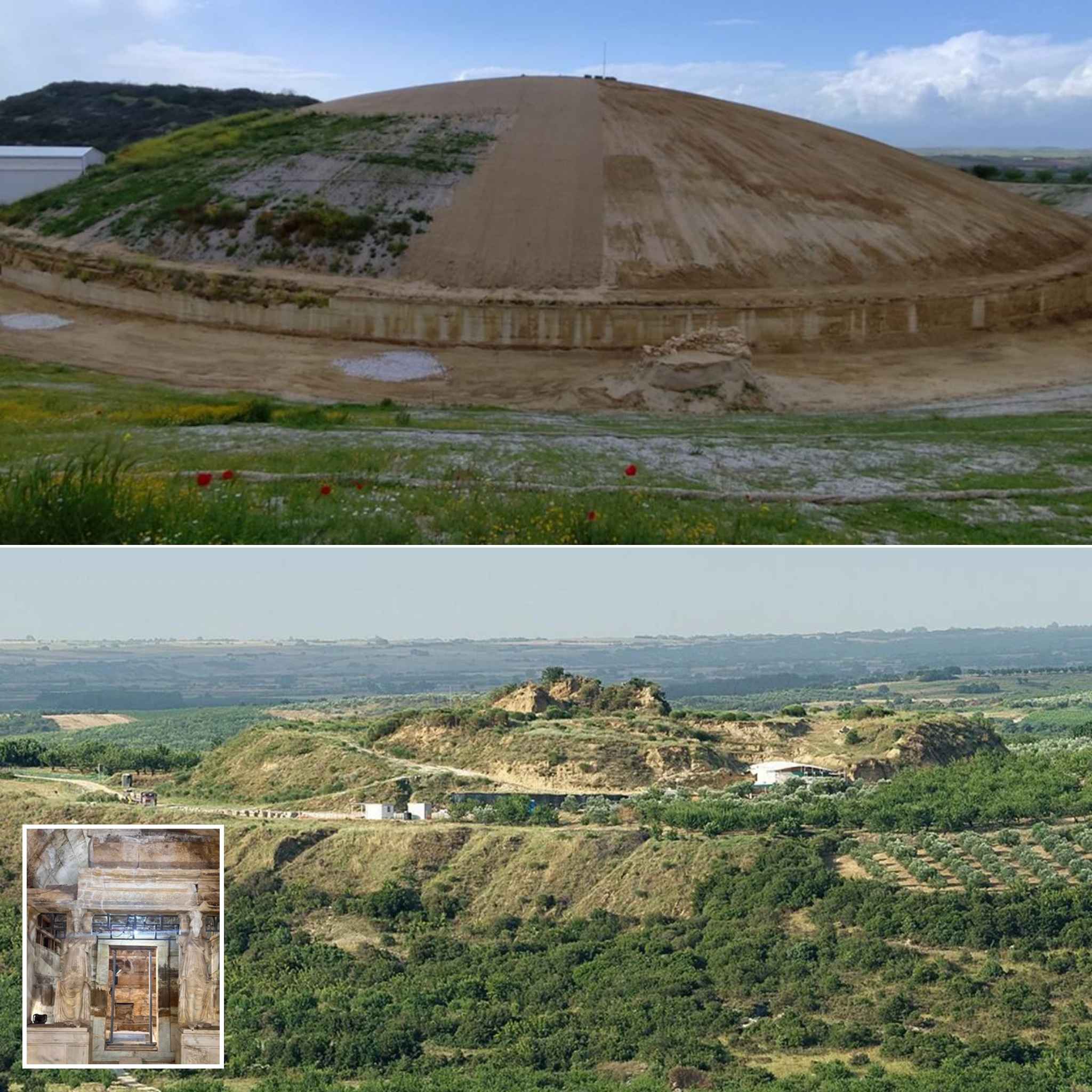
Archaeologists and conservators working at the Kasta Tomb in northern Greece have now fully uncovered the monumental burial mound’s enclosure for the first time, revealing the true scale and grandeur of one of the most significant ancient monuments ever found in Macedonia.
📐 A Monument of Extraordinary Scale
- The Kasta Tomb’s marble perimeter enclosure wall now stretches 497 metres in circumference, encircling an area of more than 20 acres. The broader archaeological zone managed by the Greek Ministry of Culture exceeds 50 acres.
- With a tumulus that surpasses 140 metres in diameter, the Kasta mound is now confirmed as the largest burial mound discovered to date in Macedonia — even larger than the Great Tumulus at Aigai, which measures about 110 metres across.
This massive scale surprised specialists and highlights the extraordinary ambition of Hellenistic funerary architecture. (Ancient Origins)
🛠️ Restoration and Conservation Efforts
Teams of archaeologists, conservators, engineers and scientists are working carefully to restore and protect the monument, which has stood for more than 2,300 years. Key restoration milestones include:
- Rebuilding 105 metres of the southern enclosure wall using original marble blocks found during excavation, with only limited artificial stone added where necessary.
- Stabilizing the western side of the enclosure and installing a hydraulic drainage system to protect the mound from rainwater damage and future erosion.
- Restoring the hill’s original shape, reversing centuries of distortion from weathering and later activity.
- Removing temporary metal supports inside the tomb, making the internal chambers visible again. The vaulted burial chamber has been repaired and, in the next phase, the monumental double marble door that once sealed it will be reinstalled. Conservation work will also focus on the entrance sphinxes, including restoring missing wings and a missing head from one of the sculptures. (Ancient Origins)

Archaeologists have even uncovered traces of later activity, including evidence of Roman dismantling operations in which marble blocks were removed and reused elsewhere — including ramps and lifting systems that suggest organized removal centuries after the tomb was built. (GreekReporter.com)
🏺 A Link to Alexander the Great’s World
Scientific and archaeological evidence dates the construction of the Kasta Tomb to the late 4th century BC, the decades following the death of Alexander the Great in 323 BC, a period of intense political upheaval and dynastic struggle in Macedonia. (Ancient Origins)
The quality of the marble, the scale of engineering, and the luxury of the architectural design all point to a burial associated with the highest echelons of Macedonian elite, though the identity of those interred remains uncertain.
- Early speculation once even suggested that the tomb might have been intended for Alexander himself, but that theory was widely dismissed because historical records indicate his body was taken to Alexandria in Egypt after his death. (Wikipedia)
- Other candidates proposed by scholars include members of Alexander’s inner circle, such as his close friend and companion Hephaestion, his mother Olympias, or other elite figures from the ruling Antigonid or Argead dynasties.
⚔️ Strategic Importance of Amphipolis
The ancient city of Amphipolis played a significant strategic role during Alexander’s campaigns, serving as a key naval base for expeditions into Asia and as a staging point for military operations in Thrace — underscoring why such a monumental tomb might have been built there.
🔍 Public Opening and Future Plans
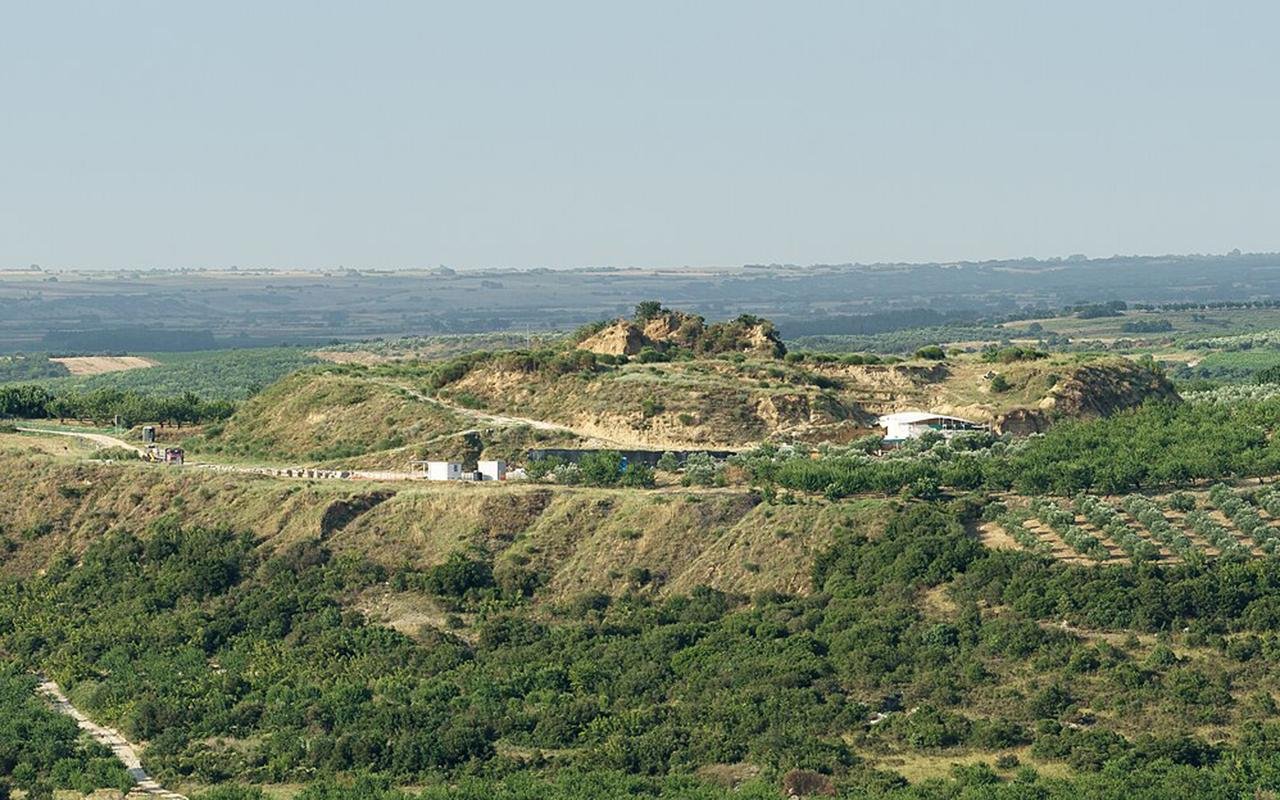
Greek authorities are now moving toward making the Kasta Tomb accessible to visitors. The restoration project — involving archaeologists, architects, conservators, and engineers — is expected to cost more than €15 million, with funding from regional and European programs. (GTP Headlines)
Plans include:
- Installing visitor facilities and a dedicated museum space on the eastern side of the site. (Greek City Times)
- Completing the complex conservation work so that the tomb can safely open to the public by early 2028. (GTP Headlines)
During a recent visit, Greek Culture Minister Lina Mendoni also inspected the only surviving ancient wooden bridge from Amphipolis, dating to the 5th century BC — a structure mentioned by the historian Thucydides and now conserved for posterity. (Greek City Times)
🧠 A Monument of Enduring Fascination
The full revelation of the Kasta Tomb’s monumental enclosure marks a major milestone in archaeological research in Greece. Its scale, exquisite craftsmanship, and the mysteries still surrounding its occupants continue to draw scholars and global heritage enthusiasts alike.
As restoration continues and the monument’s original grandeur is gradually restored, the Kasta Tomb stands as a powerful testament to the ambition, artistry, and historical richness of the Macedonian world at the height of its power — a physical link to the era of Alexander the Great and the turbulent years that followed his death. (Ancient Origins)
🏛️ Why It Matters
With its unprecedented size and monumental complexity, the Kasta Tomb not only reshapes our understanding of ancient Macedonian burial practices but also highlights Amphipolis’s place in the broader narrative of Hellenistic history — bridging archaeology, history, and cultural identity. (Ancient Origins)
If you want, I can create a Facebook‑friendly caption with key highlights and hashtags to help share this news visually and engage your audience!