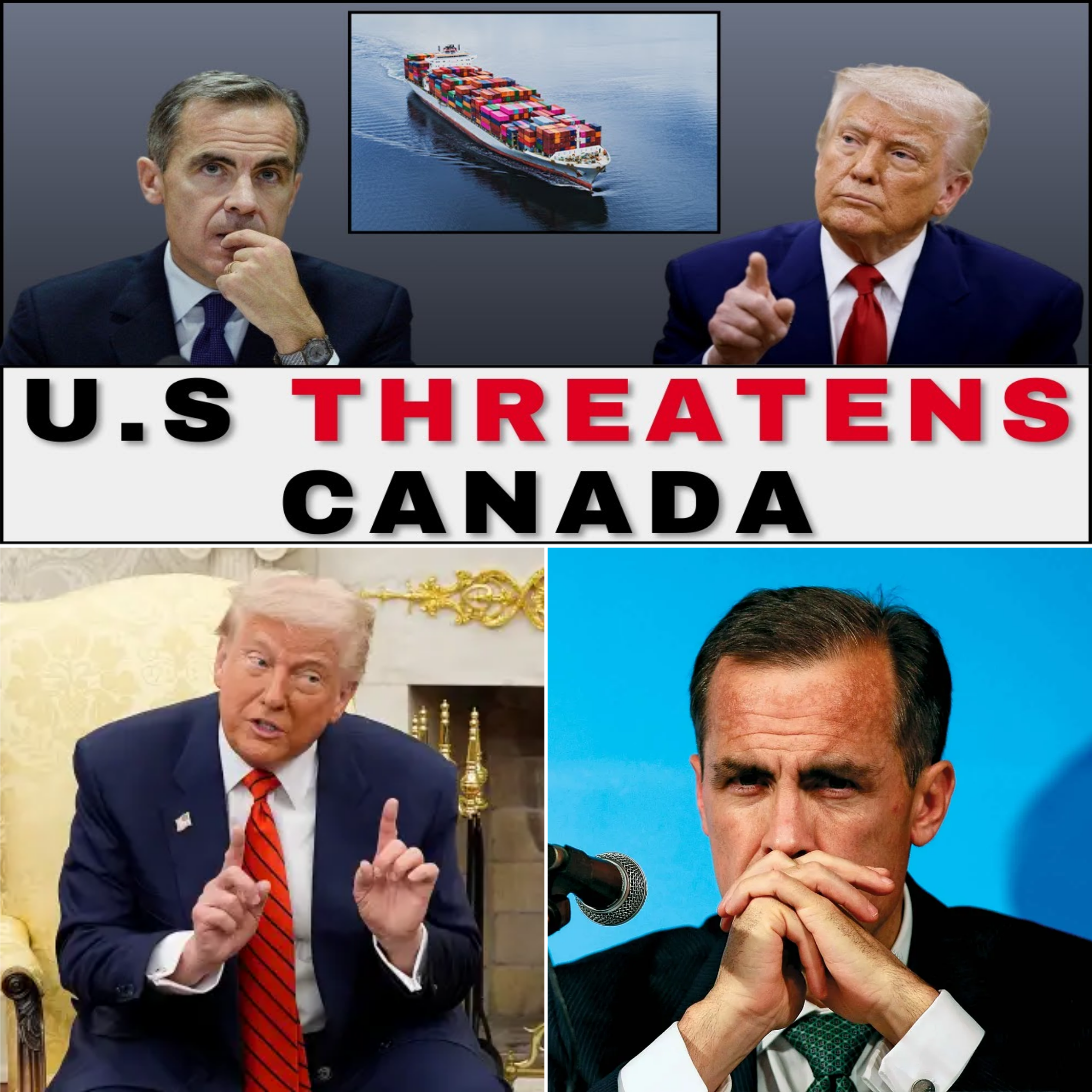
In a dramatic escalation of trade tensions, the United States has threatened to withdraw from CUSMA, its pivotal trade agreement with Canada and Mexico. This warning, reiterated by the US trade representative, signals a potential shift in North American trade dynamics, raising alarms for businesses and economies across the continent.
 The backdrop of this threat comes amid a challenging political landscape for President Trump, who appears to be leveraging trade negotiations to bolster his domestic image. With the July review of CUSMA approaching, the administration’s aggressive stance suggests a calculated strategy to extract more favorable terms from its neighbors.
Historically, CUSMA has been a cornerstone of North American trade, facilitating the movement of goods without heavy tariffs and supporting millions of jobs. The prospect of the US pulling out of this agreement is not merely a political maneuver; it poses real risks to economic stability in Canada and Mexico.

Former NAFTA negotiator Kenneth Smith Ramos highlights that the US’s hardball tactics are likely aimed at gaining leverage ahead of crucial talks. The threat to exit CUSMA could force Canada and Mexico into making concessions, potentially reshaping the entire trade landscape.
Experts warn that if the US follows through on its threat, Canada could experience severe repercussions. Increased trade costs and uncertainty for businesses and exporters could arise, impacting jobs and prices across various sectors. This isn’t just a political issue; it’s a matter of economic survival for many.
As July approaches, the urgency of the situation intensifies. The implications of the US’s next move are profound, with the potential to alter trade relationships that have been in place for decades. All eyes are now focused on Washington, where one decision could redefine North American trade.

In this high-stakes environment, the reactions from Canada and Mexico will be crucial. Both countries have been preparing for the possibility of tougher negotiations, but the reality of a US exit from CUSMA would require immediate and strategic responses to mitigate economic fallout.
The trade relationship between these three nations has been built on interdependence, and any disruption could have cascading effects. As businesses brace for potential changes, the need for clear communication and strategic planning becomes paramount.
In conclusion, the threat to exit CUSMA is more than just a negotiation tactic; it represents a pivotal moment in North American trade relations. The outcomes of the upcoming discussions will not only affect trade agreements but could also reshape the economic landscape for years to come.