 Egyptian archaeologists have uncovered an extraordinary burial cache on the West Bank of Luxor, revealing painted wooden coffins, the tomb of a previously unknown priest of Amun, and more than 30 mummified cats hidden beneath centuries of debris at the ancient necropolis of Dra Abu El-Naga.
The discovery, announced by Egypt’s Supreme Council of Antiquities, is being hailed as one of the most intriguing excavation finds in Luxor in recent years. Beyond the striking artifacts themselves, researchers say the inscriptions and burial assemblages may provide valuable new insight into the religious and administrative life of ancient Thebes.
 Excavations Beneath Centuries of Debris
The excavation is part of the eighth archaeological season conducted by an Egyptian mission working in the southeastern sector of the tomb of Roy, known as TT255. The area had remained buried beneath layers of debris left behind by older excavations for more than 150 years.
Dra Abu El-Naga forms part of the wider Theban necropolis, one of the most important funerary landscapes in ancient Egypt. The site has long been associated with elite burials connected to the New Kingdom and the powerful priesthood of Amun.
As archaeologists cleared the site, they uncovered a burial shaft inside the courtyard of the tomb of Baki. Hidden within it were ten painted wooden coffins in remarkably preserved condition.
Painted Coffins from Multiple Eras
Preliminary analysis suggests the coffins date to several different periods of Egyptian history, indicating the burial shaft may have been reused over centuries.
Researchers believe four coffins belong to the 18th Dynasty, one of the most influential eras of ancient Egypt. Among them was a coffin belonging to Merit, identified through inscriptions as a chantress of the god Amun — a religious role held by women serving in temple rituals and ceremonies.
Another coffin belonged to Padi-Amun, a priest connected to the Temple of Amun, the powerful religious institution that dominated ancient Thebes during much of the New Kingdom.
The remaining coffins appear to date to the Late Period, suggesting the shaft may later have been transformed into a protective cache where older burials were relocated for safekeeping after their original tombs deteriorated or were disturbed.
Archaeologists note that similar coffin caches have been discovered elsewhere in Luxor, including hidden royal burial deposits created to shield mummies from tomb robbers and environmental damage.
 Tomb of a Previously Unknown Priest
The same excavation season also led to the discovery of the tomb of Aa-Shefi-Nakhtou, a previously unknown purification priest associated with the Temple of Amun.
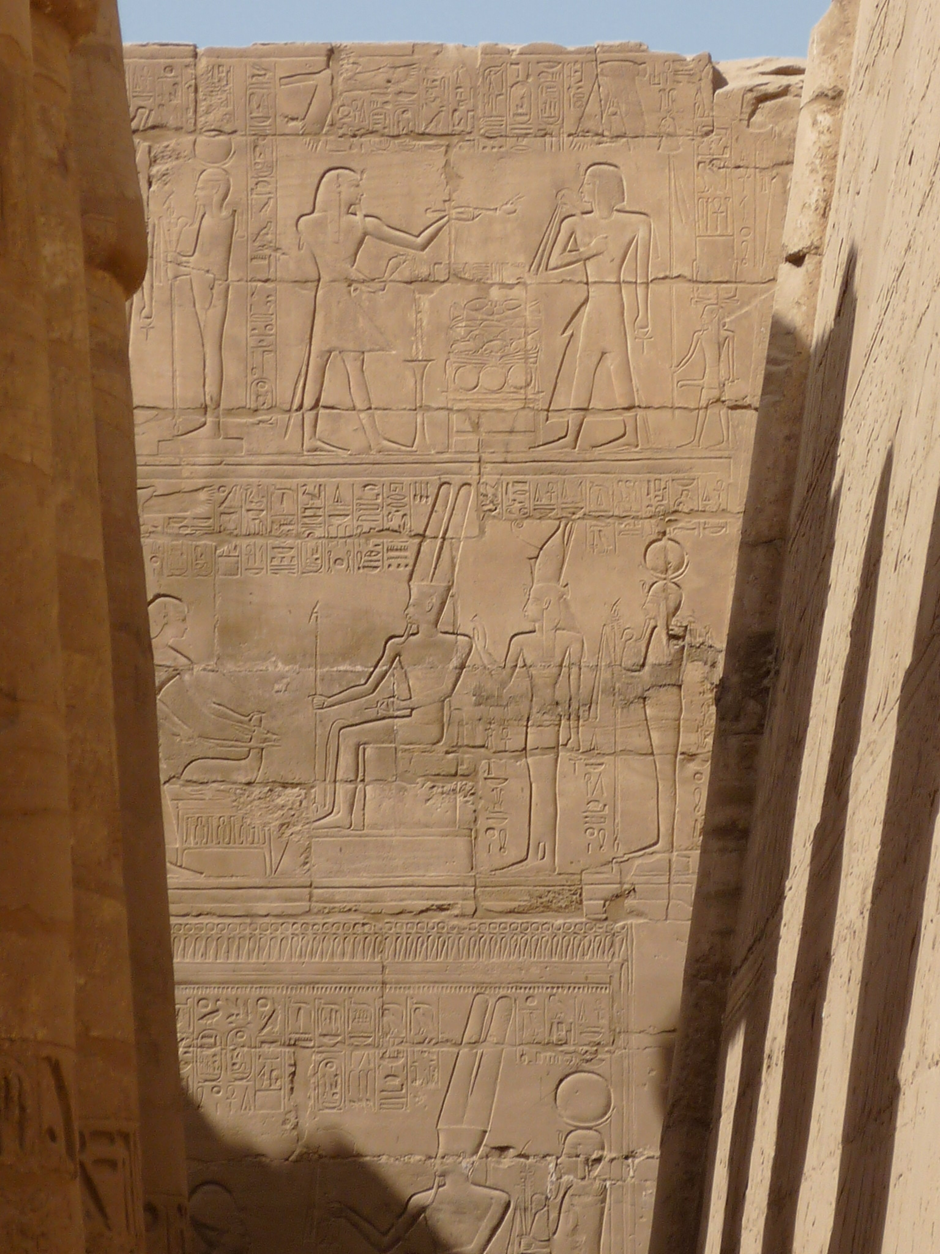
The tomb contains a small courtyard, a rectangular burial shaft, and decorated entrance walls featuring offering scenes and funerary inscriptions. A hall inside the structure leads directly to the burial chamber.
Inscriptions found within the tomb mention members of the priest’s family, including his two wives, Isis and Ta-Kafet, both connected to the cult of Amun. His father, Padi-Amun, is also named as part of temple service.
For Egyptologists, these names are particularly significant because several of them have never appeared in surviving historical records before.
Temple titles in ancient Egypt often reflected social rank, profession, and religious responsibility. Since the cult of Amun became one of the most politically powerful institutions in Egypt, identifying previously unknown priests and temple officials helps scholars reconstruct the complex hierarchy of ancient Theban society.
More Than 30 Mummified Cats
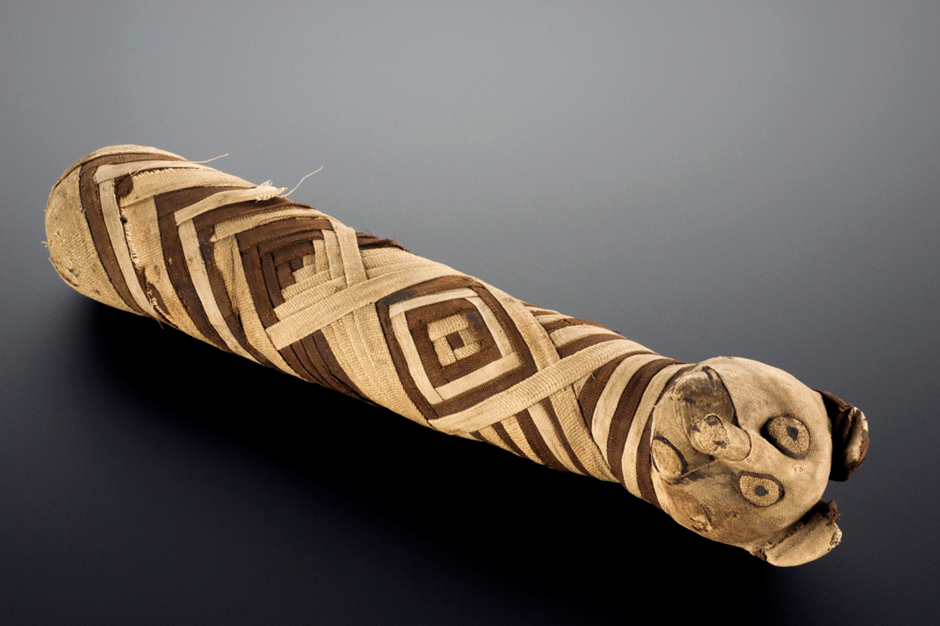
Perhaps the most visually striking part of the discovery was a nearby deposit containing more than 30 mummified cats.
The animals, found south of the tomb of Baki, included both wild and domestic cats wrapped carefully in linen strips. Archaeologists believe the cat burials date to the Ptolemaic period, centuries later than some of the coffins discovered nearby.
Animal mummification became widespread during this era, particularly for sacred species associated with Egyptian deities. Cats were strongly connected to the goddess Bastet and were often offered in temples as votive gifts intended to carry prayers to the gods.
The discovery highlights how Dra Abu El-Naga remained an active religious and funerary landscape for centuries, with older burial spaces repeatedly reused and repurposed by later generations.
The Mystery of Benji the Scribe
Archaeologists also uncovered a sandstone pyramidion — the capstone traditionally placed atop small pyramids or tomb structures — inside a nearby tomb identified as DP91.
The artifact bears the name Benji, described in inscriptions as a “scribe and noble.” The carvings depict him repeatedly in devotional poses, though researchers have not yet identified his original burial site.
The find adds another previously unknown figure to the growing list of names emerging from the excavations at Dra Abu El-Naga.
According to officials from Egypt’s Supreme Council of Antiquities, the discoveries are especially valuable because they preserve names, family connections, and professional titles absent from known historical sources.
Reconstructing Ancient Thebes
Experts say the Luxor cache represents more than a collection of beautiful artifacts. Together, the coffins, inscriptions, tomb architecture, and animal burials form a rare archaeological archive documenting religious life across multiple eras of Egyptian history.
The discoveries also reinforce the idea that large portions of the Theban necropolis still remain unexplored beneath the desert surface.
Even after more than a century of excavations in Luxor, archaeologists continue to uncover forgotten individuals whose names have remained hidden underground for thousands of years.
For researchers, every inscription, coffin, and burial shaft adds another fragment to the story of ancient Egypt — a civilization whose dead continue to reshape history long after their rediscovery.


