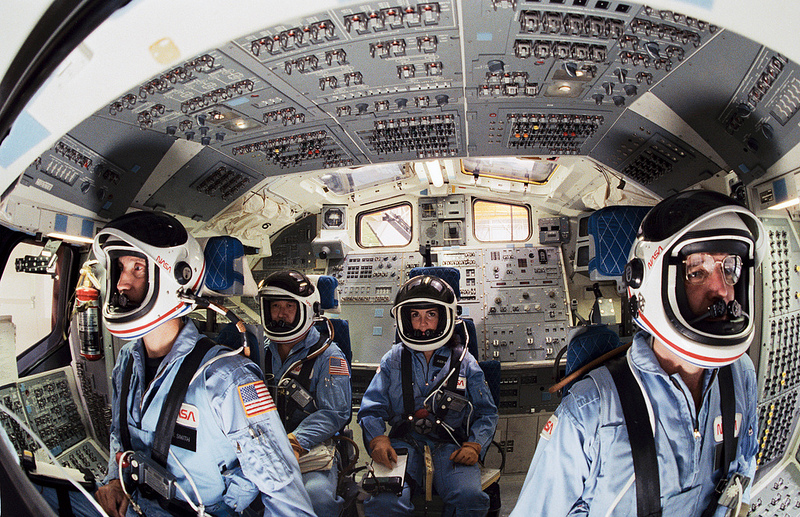
The Space Shuttle Challenger catastrophe on January 28, 1986, seared itself into the nation’s memory when the orbiter exploded just 73 seconds after liftoff, killing all seven crew members aboard — including teacher Christa McAuliffe and six NASA astronauts. Millions watched the tragedy unfold live on television, but what happened next — to their remains and how the recovery was handled — has remained a sobering and emotional chapter in space history.

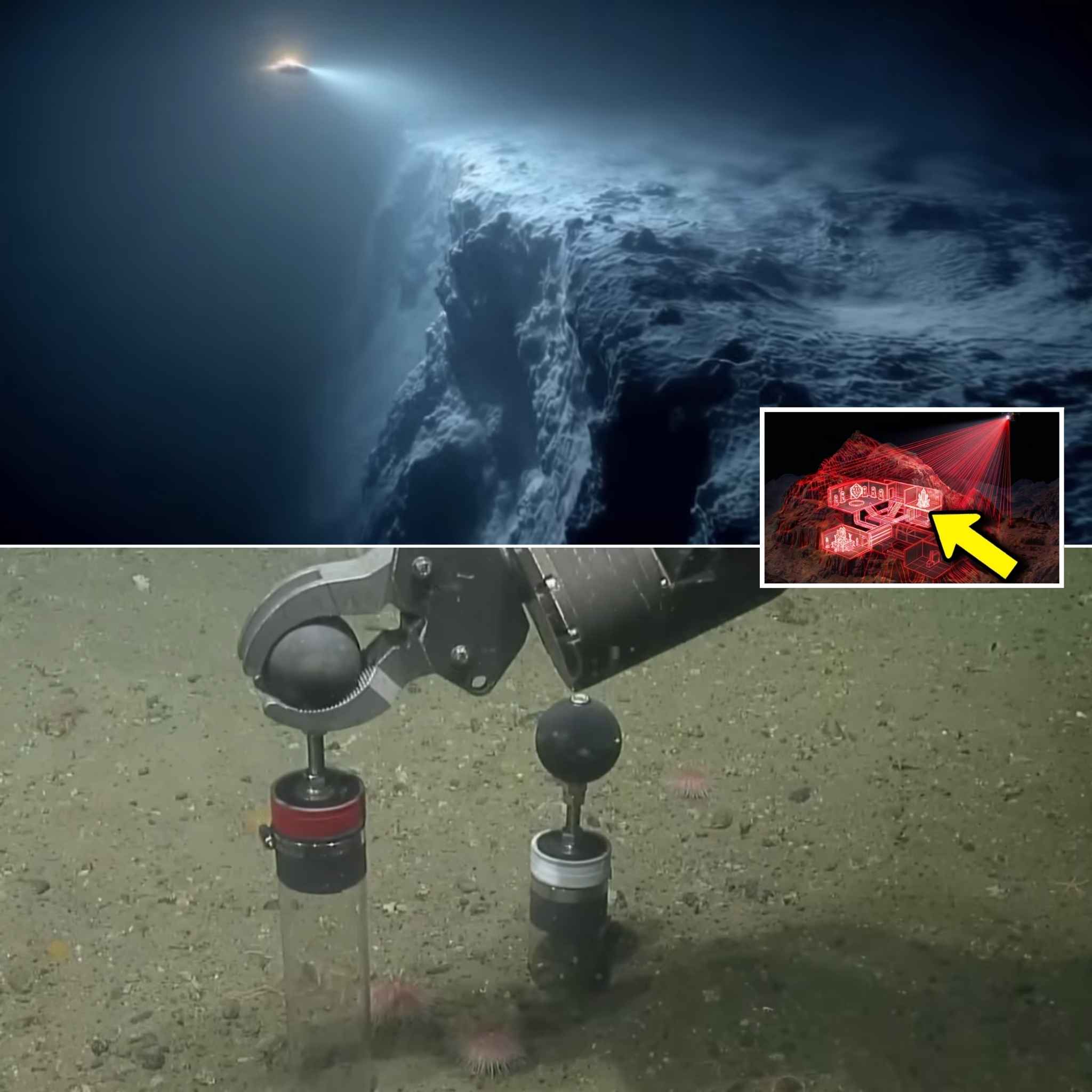
In the chaotic aftermath of the breakup, search and recovery teams focused on locating the crew compartment and any sign of the astronauts. Although widely assumed to have been lost at sea, divers ultimately found the shuttle’s forward crew cabin deep in the Atlantic Ocean in early March 1986, more than five weeks after the accident. Over the course of several weeks, Navy teams painstakingly recovered the remains of all seven astronauts from inside the wreckage and surrounding debris fields.
The condition of the remains was heartbreaking — the cabin struck the ocean at more than 200 mph after separating from the rest of the shuttle, and bodies had spent weeks submerged under water. Pathologists reported that the remains were badly damaged and, in many cases, not recognizable as human, making traditional autopsy determinations of exact causes of death impossible.
Following forensic examination at a military facility, the recovered remains were returned to the astronauts’ families. Some were cremated and buried in individual plot sites across the United States, while others were interred at Arlington National Cemetery. In May 1986, a memorial service brought the crew back together when unidentified remains were placed in a collective burial at the Challenger Memorial in Arlington, honoring all seven who perished.
The recovery and burial of the Challenger crew were carried out with deep respect and sensitivity, reflecting both the tragic loss and the nation’s desire to honor the astronauts’ courage. Memorials, including the Challenger Space Shuttle Memorial at Arlington and other monuments across the country, stand as lasting tributes to their sacrifice and the enduring legacy they left in the history of space exploration.
Even decades later, the fate of the Challenger crew’s bodies — from the deep‑sea recovery to the solemn burials — remains a powerful reminder of the human cost behind the push for the stars and the risks astronauts willingly take in pursuit of discovery.