 Long before celebrity scandals dominated social media and 24-hour news cycles, one case shook the entertainment industry so deeply that it changed Hollywood forever.
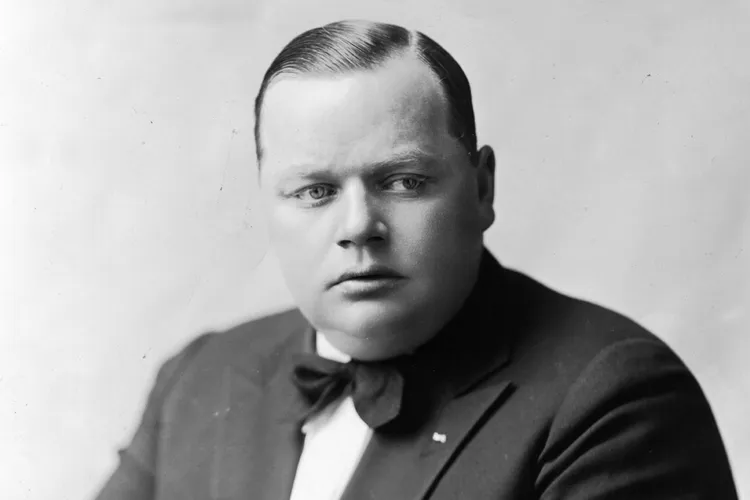
In 1921, silent film star Roscoe ‘Fatty’ Arbuckle became the center of one of the most explosive controversies of the early movie era after actress Virginia Rappe died following a party at a San Francisco hotel.
The scandal sparked nationwide outrage, led to three highly publicized trials, and ultimately destroyed Arbuckle’s once-dominant Hollywood career.
 From Comedy Superstar to Hollywood Powerhouse
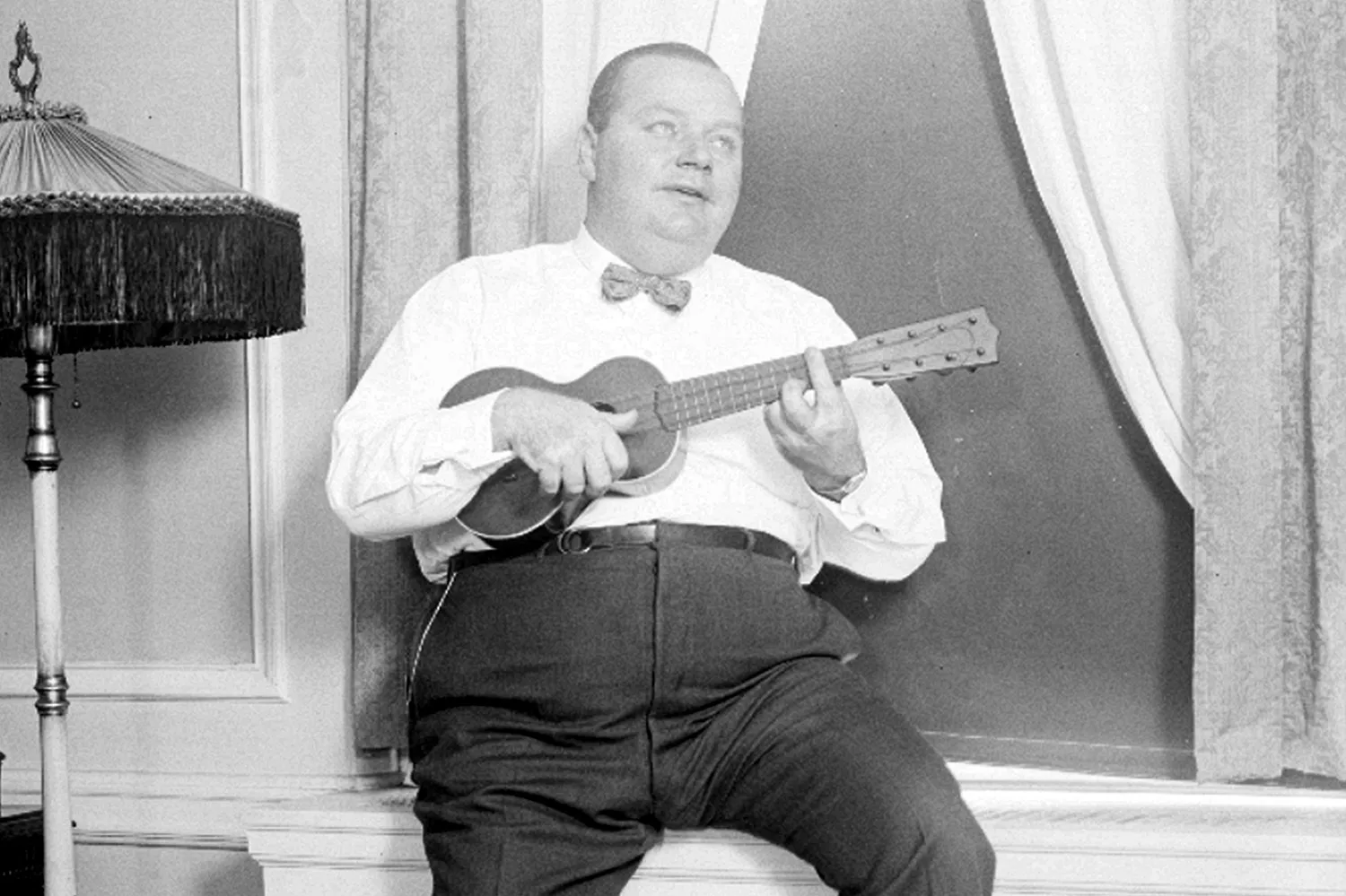
Born in Kansas in 1887, Arbuckle rose to fame through vaudeville before becoming one of the biggest stars of silent films during the 1910s.
Known for his physical comedy and massive popularity at the box office, Arbuckle quickly became one of Hollywood’s highest-paid entertainers. By the early 1920s, reports indicated he had signed a contract worth approximately $1 million per year — an extraordinary amount at the time.
Behind the scenes, Arbuckle also helped mentor future film legends, including Charlie Chaplin and Buster Keaton.
At the height of his fame, few could have predicted how quickly his career would collapse.
 The Party That Changed Everything
During Labor Day weekend in September 1921, Arbuckle traveled to San Francisco while taking a break from filming. On Sept. 5, he hosted a gathering at the St. Francis Hotel.
Although the United States was in the Prohibition era at the time, reports stated that alcohol was present during the party.
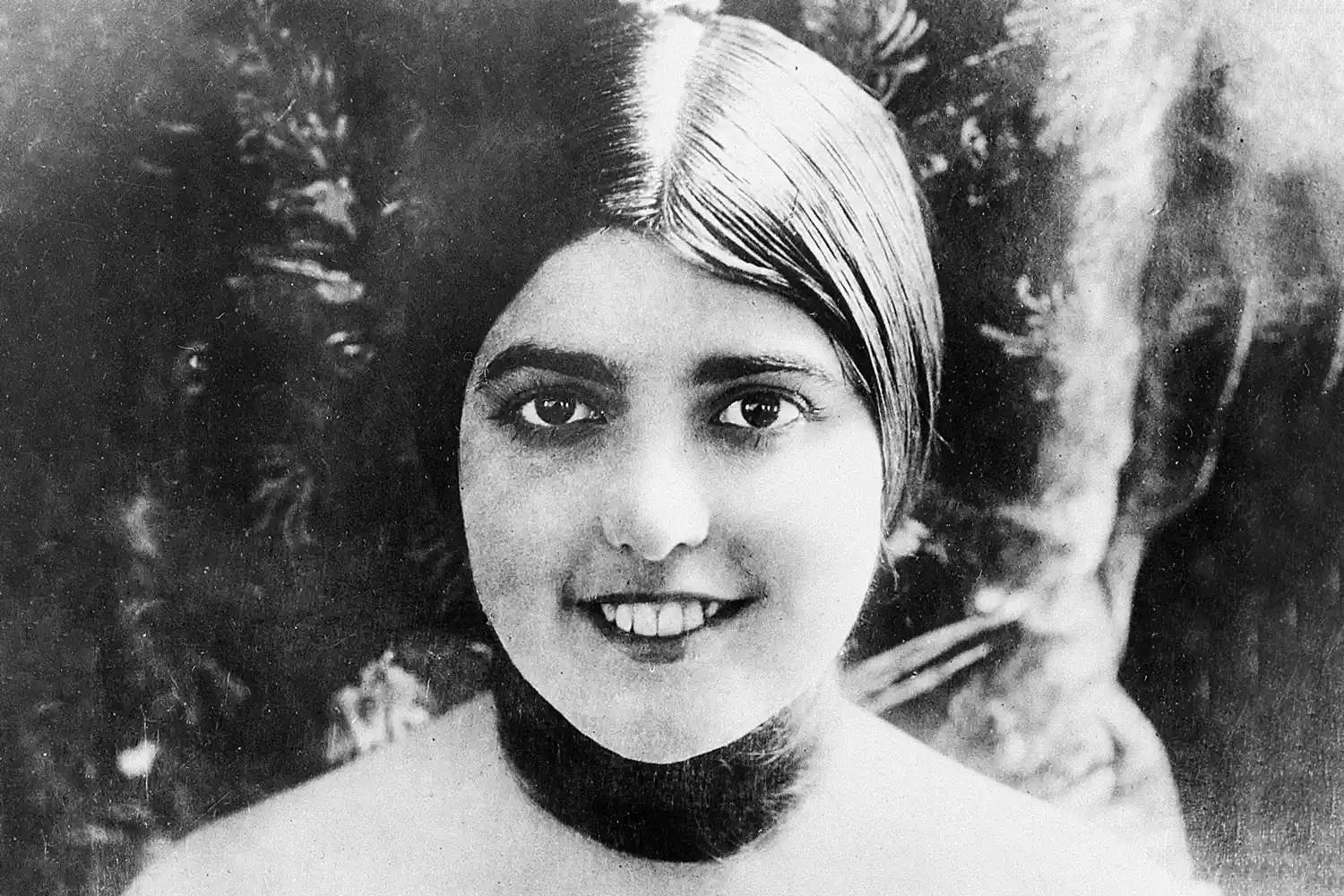
Among the guests was actress Virginia Rappe, who reportedly became seriously ill during the event. Witnesses later claimed she experienced intense abdominal pain and appeared to be in severe distress.
Rappe was eventually transported to a hospital, where her condition worsened over the following days. She died on Sept. 9, 1921.
According to official records, the cause of death was peritonitis caused by a ruptured bladder.
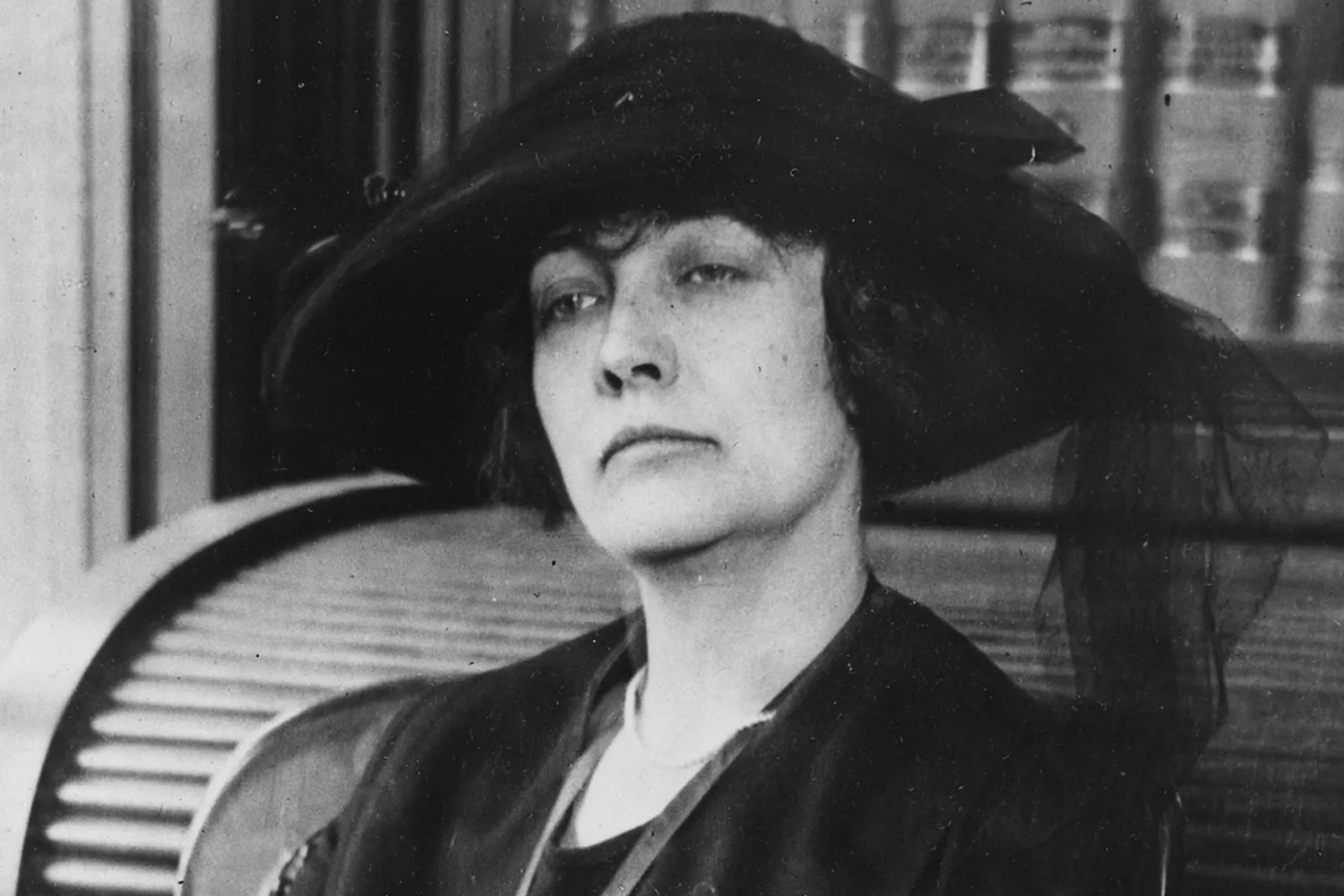 Allegations Spark National Outrage
Almost immediately after Rappe’s death, allegations began circulating about what may have happened inside Arbuckle’s hotel suite.
A woman named Bambina Maude Delmont, who attended the gathering, accused Arbuckle of assaulting Rappe after the two were allegedly alone together in a bedroom.
Her accusations quickly spread through newspapers across the country, turning the story into one of the biggest scandals of the decade.
Sensational headlines and graphic reporting fueled public outrage, even before investigators had fully established the facts surrounding Rappe’s death.
However, Delmont’s credibility later became a major issue during the investigation. Reports indicated that prosecutors ultimately chose not to call her as a witness during the trials.
Three Trials and Career Destruction
Authorities arrested Arbuckle and charged him in connection with Rappe’s death, leading to three separate criminal trials.
The first two trials ended without a verdict. During the third trial in 1922, the jury acquitted Arbuckle of all charges and issued an unusually strong apology, stating that he had suffered a “great injustice.”
Despite the acquittal, the damage to Arbuckle’s reputation was already severe.
The scandal led to intense backlash against Hollywood, and movie studios quickly distanced themselves from the actor. Arbuckle was effectively blacklisted from major film work for years, becoming one of the earliest examples of a celebrity career collapsing under public controversy.
A Lasting Hollywood Legacy
More than 100 years later, the Arbuckle case remains one of the most discussed scandals in entertainment history.
Historians continue debating how much media sensationalism influenced public opinion during the trials and whether the controversy permanently changed the relationship between Hollywood fame, scandal, and public scrutiny.
The case also marked one of the first times the entertainment industry faced widespread calls for moral accountability — something that would shape celebrity culture for generations to come.