The discovery of the medieval notebook in a latrine beneath Paderborn is one of those rare archaeological finds that feels incredibly human despite being 800 years old.
A small object accidentally lost during an ordinary moment survived because it fell into exactly the wrong — and scientifically perfect — place.
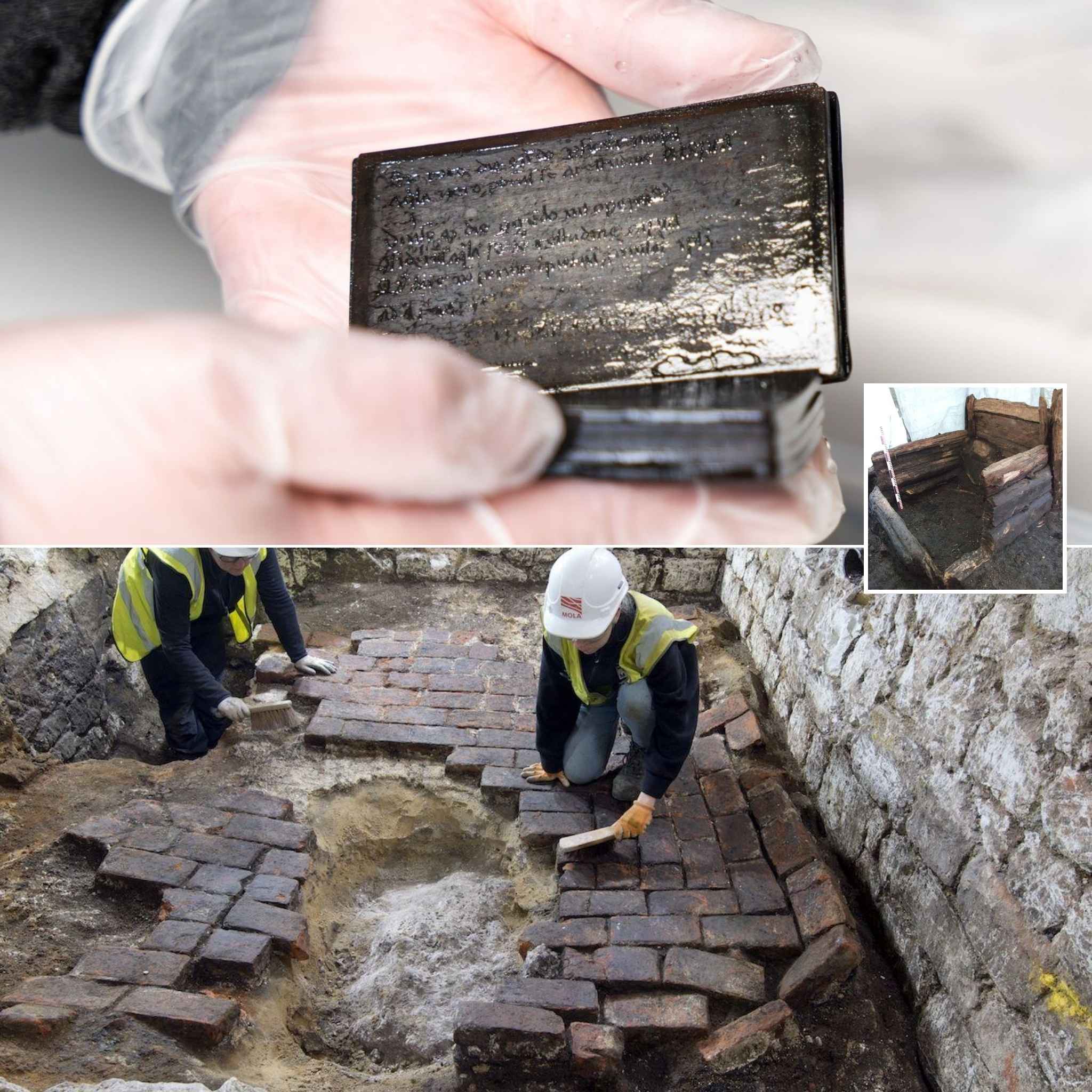
Why the notebook is extraordinary
The artifact is essentially a medieval reusable notebook:
- wooden pages
- coated in wax
- bound in decorated leather
- small enough to fit in a pocket
Medieval wax tablets and writing books


What makes it remarkable is the preservation:
- the leather cover stayed sealed tightly
- the wax writing surfaces remained intact
- cursive Latin writing is still visible
- even the smell reportedly survived
Normally, organic materials like leather, wax, and wood decay quickly. But sealed medieval latrines often create oxygen-poor, waterlogged environments that slow decomposition dramatically.
What the writing reveals
Researchers believe the notebook likely belonged to an upper-class merchant because:
- it was written in Latin
- literacy in Latin implied education and status
- the contents appear related to trade or business transactions
The text is written in medieval cursive Latin, which is difficult even for specialists to read because:
- spelling was inconsistent
- abbreviations were common
- handwriting styles varied
- some text degraded over time
The wax tablets were reusable. A stylus could scratch words into the wax, and the flat end erased them.
That means the notebook functioned somewhat like:
- a medieval memo pad
- expense ledger
- temporary business organizer
The accidental loss theory
Archaeologists strongly suspect the owner simply dropped it into the toilet accidentally.
That may sound amusing, but it is actually very plausible.
People in the Middle Ages carried small objects in robes, belts, or pouches, and latrines frequently contain:
- coins
- rings
- tools
- knives
- writing implements
Medieval latrines and archaeology


Once something fell into the pit, recovering it may simply not have been worth the effort.
Why archaeologists love ancient toilets
Latrines are among the richest archaeological sources for daily life because they preserve things elite monuments often ignore:
- food remains
- parasites
- scraps of clothing
- broken tools
- writing materials
- personal items
In many cases, toilets preserve ordinary life better than castles or churches do.
This discovery also included:
- silk fragments possibly used as toilet paper
- preserved organic materials
- evidence of urban medieval sanitation practices
The “time capsule” effect
The latrines remained sealed beneath later buildings for centuries, effectively creating an airtight archive of medieval urban life.
Conservators working with preserved artifacts


For historians, finds like this are invaluable because they capture real daily behavior rather than official propaganda or elite religious texts.
Instead of kings or battles, this notebook preserves:
- ordinary commerce
- handwriting habits
- literacy
- practical bookkeeping
- an accidental moment of human frustration
And ironically, the very thing that made the notebook unusable to its owner may be what allowed it to survive long enough for modern archaeologists to read it centuries later.