Toxic Plant Found on 600-Year-Old Chinese Surgical Tools May Be the Oldest Chemical Evidence of Topical Anesthetic
A remarkable scientific analysis of centuries-old surgical instruments from China has revealed what may be the world’s earliest direct chemical evidence of a topical anesthetic. The discovery sheds new light on the sophistication of Ming dynasty medicine and suggests that surgeons 600 years ago were already using carefully controlled toxic compounds to numb pain during medical procedures.
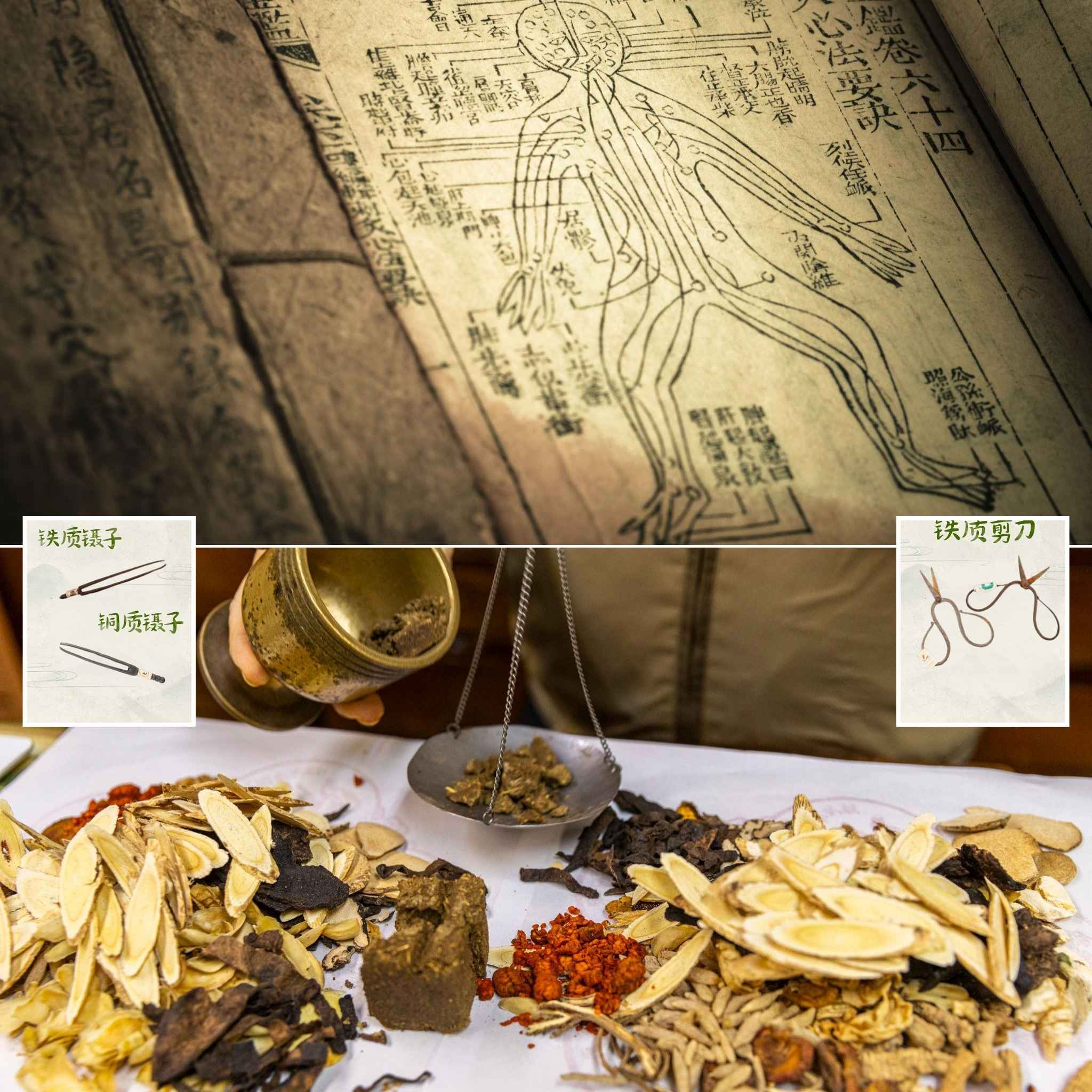
At the center of the discovery is a deadly plant known as Chinese wolfsbane, or aconite—a substance infamous for its poison but prized in traditional medicine for its powerful pain-relieving effects.
Researchers studying residue preserved on ancient iron scissors and tweezers uncovered molecular traces consistent with aconitine, the plant’s highly toxic active alkaloid. The findings suggest that Ming dynasty physicians were capable of transforming one of nature’s most dangerous poisons into a controlled surgical anesthetic centuries before the rise of modern pharmacology.
A Tomb Discovery That Waited Decades for Modern Science
The surgical tools were originally discovered years ago inside the tomb of Xia Quan, a Ming dynasty figure buried near Jiangyin in eastern China, roughly 90 miles northwest of modern Shanghai.
The tomb dates to the Ming dynasty period, which lasted from 1368 to 1644—a time of major advances in Chinese science, medicine, engineering, and trade.
Although archaeologists recognized the instruments as medical tools when they were first excavated, only recent advances in microscopic chemical analysis made it possible to study the tiny residue still clinging to their surfaces.
The research team, led by archaeologist Congcang Zhao of Northwest University, published the findings in the journal Antiquity on May 26, 2026.
According to Zhao, the discovery creates an extraordinary bridge between archaeology and ancient medical practice.
“Six centuries ago, a Ming Dynasty surgeon performed an operation with a pair of iron scissors and tweezers,” Zhao explained, “and today we have read the traces of anaesthetic medicine left on those instruments using a beam of laser light.”
Ancient Surgical Tools Still Held Chemical Clues
The tools themselves are relatively simple in appearance: a pair of iron scissors and iron tweezers. Yet microscopic traces preserved on their surfaces survived for roughly 600 years underground.
To study them without damaging the artifacts, researchers first used X-ray fluorescence analysis, a non-destructive technique that identifies the elemental composition of an object.
This confirmed that both tools were primarily made of iron.
Next, scientists examined the implements under high-powered microscopes and identified tiny rust-colored particles trapped on the metal surfaces. Researchers carefully isolated three microscopic residue samples for further testing.
The next step involved one of the most advanced analytical techniques available in archaeology today: micro-Raman spectroscopy.
Reading Ancient Molecules With Laser Light
Micro-Raman spectroscopy works by firing a laser at a sample. When photons from the laser interact with molecules in the material, they scatter in unique patterns. Those patterns function almost like molecular fingerprints, allowing researchers to identify specific compounds.
The analysis revealed several remarkable findings.
Most importantly, the residue contained evidence of the cyano functional group—a chemical signature associated with hydrogen cyanide compounds—as well as traces of oils and fats.
Together, the chemical profile pointed toward medicinal organic substances and strongly suggested the presence of aconitine, the toxic alkaloid found in wolfsbane plants.
This is significant because aconitine has long been recognized as both extremely poisonous and medically potent.
Even tiny doses can affect the nervous system, heart rhythm, and sensory perception.
Yet in carefully controlled quantities, the compound can numb tissue and suppress pain.
The researchers concluded that the residue likely represents an ancient topical anesthetic mixture used during surgical procedures.


The Dangerous Plant Behind the Discovery
The plant at the center of the discovery belongs to the genus Aconitum, commonly known as:
- Wolfsbane
- Monkshood
- Aconite
These flowering plants grow naturally across Asia, Europe, and North America.
Historically, aconite developed a fearsome reputation because of its toxicity. Ancient cultures used it in poisons for arrows, hunting, and assassinations. In many historical accounts, wolfsbane symbolized death and danger.
But traditional Asian medicine also recognized another side of the plant.
When processed carefully, aconite could be used as a painkiller, anti-inflammatory medicine, or warming agent in the treatment of chronic illness.
The problem was dosage.
Improperly prepared aconite can kill quickly by disrupting the heart and nervous system. Symptoms of poisoning include numbness, paralysis, arrhythmia, and respiratory failure.
This made the successful medical use of aconite dependent on highly specialized preparation techniques.
Ming Dynasty Physicians Knew How to Detoxify Poison
Historical Chinese medical texts reveal that Ming dynasty practitioners developed sophisticated methods to reduce aconite’s toxicity before clinical use.
According to the study, physicians commonly detoxified the plant using acidic or chemically reactive substances such as:
- Vinegar
- Mung beans
- Fermentation methods
- Urine from young boys
While the mention of urine may sound shocking today, ancient medical traditions across many civilizations frequently used bodily substances in pharmaceutical processing.
Researchers believe these detoxification methods chemically altered the aconitine alkaloids, reducing toxicity while preserving analgesic effects.
This demonstrates a surprisingly advanced practical understanding of pharmacology—even if physicians did not understand the molecular science behind it.
Rather than using raw poison recklessly, Ming doctors appear to have developed controlled systems for balancing potency with safety.
Evidence of Real Surgical Procedures
The residue was not found randomly across the tools.
Instead, it was concentrated specifically in the functional areas most likely to contact skin during procedures.
This distribution strongly suggests the substance was actively used during surgery rather than merely stored nearby.
Researchers believe the process likely worked like this:
- The physician prepared a liquid anesthetic solution containing processed aconite
- The solution was applied directly to the patient’s skin
- Tweezers held the tissue steady
- Scissors trimmed or removed damaged outer tissue
The procedures were probably minor surgeries involving skin lesions, abscesses, wounds, or localized treatments rather than major internal operations.
The researchers suspect the anesthetic solution splashed or coated the metal tools during use. Over centuries, the chemical traces became trapped beneath corrosion layers on the iron surfaces.
That accidental preservation allowed modern scientists to identify the compounds centuries later.
The First Direct Chemical Evidence of Ancient Anesthesia
Historical texts have long described anesthetic recipes in ancient China, India, Greece, and the Islamic world. However, direct physical proof linking anesthesia compounds to surgical instruments has been extraordinarily rare.
This discovery changes that.
According to the research team, the Ming dynasty tools represent the first confirmed chemical evidence of anesthetic residue preserved directly on ancient surgical instruments.
That distinction is important because it moves the evidence beyond literary tradition into the realm of physical scientific confirmation.
Medical historians now have direct proof that aconite-based anesthetics were not simply theoretical prescriptions—they were actually applied in surgical practice.


Ancient Chinese Surgery Was More Advanced Than Many Assume
The discovery also challenges persistent stereotypes about premodern surgery.
In many popular histories, ancient medicine is portrayed as crude, mystical, or dangerously primitive. But evidence increasingly shows that physicians in civilizations such as China, India, Egypt, and the Islamic world developed highly practical medical systems based on centuries of observation and experimentation.
Ming dynasty medicine already included:
- Detailed pharmacological manuals
- Specialized surgical instruments
- Anatomical knowledge
- Wound treatment methods
- Herbal anesthetics
- Controlled toxicology practices
Chinese medical texts from earlier dynasties even describe attempts at sedation and anesthesia for larger surgical procedures, though many details remain debated by historians.
The new residue evidence demonstrates that at least localized numbing treatments were being carried out with measurable pharmacological precision.
The Fine Line Between Medicine and Poison
One of the most fascinating aspects of the discovery is how clearly it illustrates a core truth of medicine:
Many of humanity’s most important drugs originated as poisons.
Modern pharmaceuticals derived from toxic substances include:
- Digitalis from foxglove plants
- Morphine from opium poppies
- Chemotherapy compounds from toxic chemicals
- Botox from bacterial toxins
The difference between poison and medicine often comes down to preparation, dosage, and administration.
The Ming dynasty physicians who handled aconite understood this principle through practice and experience.
Their methods reveal a sophisticated empirical tradition—one capable of transforming a lethal plant into a controlled anesthetic centuries before modern chemistry formally explained why it worked.
A Rare Window Into Everyday Medical Practice
Archaeological discoveries about ancient medicine often focus on elite tombs, ceremonial objects, or famous texts.
But these humble iron tools offer something different: a direct glimpse into the practical realities of surgery itself.
Someone once held these tweezers and scissors in their hands while treating a living patient.
Someone prepared the anesthetic mixture carefully enough to numb pain without causing death.
And someone performed procedures advanced enough to leave behind detectable pharmacological traces six centuries later.
In that sense, the discovery is not just about chemistry—it is about human skill, experimentation, and the long history of medicine’s attempt to reduce suffering.
What Researchers Hope to Learn Next
The team plans additional analyses of the tools and surrounding burial materials to better understand:
- The exact preparation method used for the anesthetic
- Whether other medicinal compounds are present
- How widespread aconite surgery was during the Ming dynasty
- Whether similar residues exist on other ancient medical instruments
Researchers also hope the discovery encourages reexamination of previously excavated surgical tools stored in museum collections around the world.
Advances in molecular archaeology may reveal traces of ancient medicines that earlier generations of scientists could never detect.
A 600-Year-Old Reminder of Medical Innovation
The Ming dynasty surgical tools from Jiangyin reveal a world where medicine, chemistry, and risk management were already deeply intertwined.
Long before modern anesthesiology emerged, physicians in China were experimenting with powerful natural compounds, developing detoxification methods, and applying anesthetics during real surgical procedures.
The residue left behind on two iron instruments has preserved evidence of that knowledge across six centuries.
And through modern laser-based analysis, archaeologists have now uncovered one of the oldest surviving chemical fingerprints of pain relief in human history.