More than a decade after a deadly robbery inside a San Antonio convenience store ended in murder, the state of Texas carried out the execution of Christopher Young on Tuesday evening, closing one of the state’s most controversial death penalty cases in recent years. Young, who was 34 years old at the time of his execution, was sentenced to death for the fatal shooting of store owner Hasmukh “Hash” Patel during a violent 2004 robbery that prosecutors said was captured on surveillance video.

Authorities said the crime unfolded during the early morning hours of November 21, 2004, after Young spent hours drinking heavily and using cocaine. According to court records, Young entered the Mini Food Mart in San Antonio where Patel was working and attempted to rob the store. During the confrontation, Patel was shot and killed. Investigators later arrested Young roughly 90 minutes after the shooting after police located the stolen vehicle he had been driving outside a known crack house.
Throughout his years on death row, Young never denied shooting Patel but insisted he never intended to kill him. He claimed the shooting happened while he was intoxicated and argued the bullet first struck Patel’s hand before ricocheting into his chest. Prosecutors, however, pointed to surveillance footage that recorded both video and audio of the fatal encounter, along with eyewitness testimony identifying Young as the gunman. Court records also connected Young to another violent crime committed earlier that same day involving the sexual assault of a woman in front of her children — allegations Young later denied despite DNA evidence presented during the case.
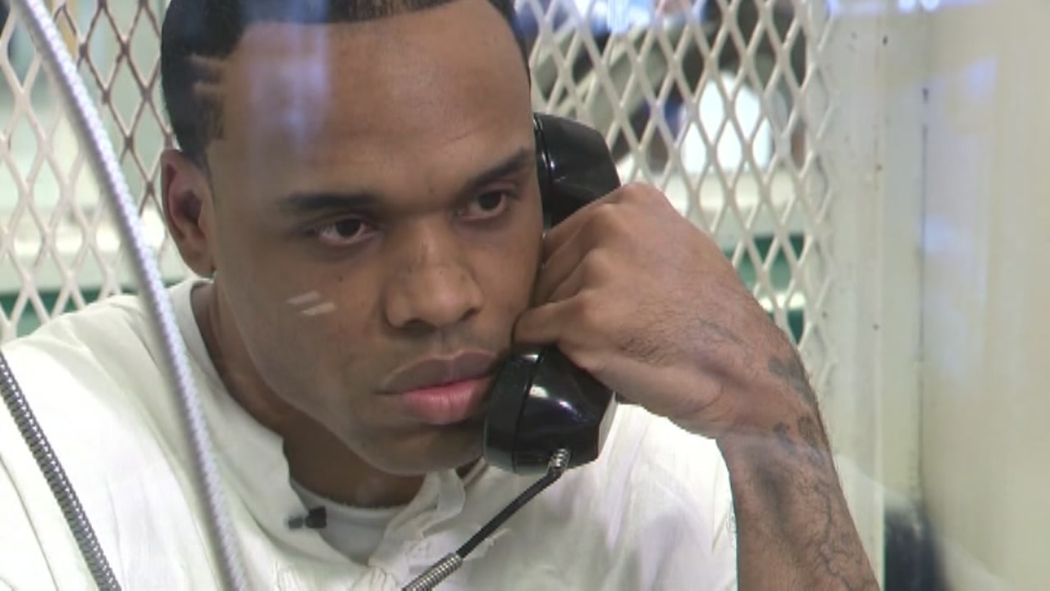
As his execution date approached, Young’s attorneys launched a last-minute legal fight accusing the Texas Board of Pardons and Paroles of unfairly rejecting his clemency request. Defense lawyers argued Young had transformed during his years behind bars, leaving behind gang affiliations and dedicating himself to mentoring younger inmates about the consequences of violence and crime. They also argued race may have played a role in the denial of clemency, comparing Young’s case to another Texas inmate, Thomas Whitaker, a white prisoner whose death sentence was commuted earlier that year.
The appeals ultimately failed. Federal courts rejected the arguments, with state attorneys calling the lawsuit speculative and legally insufficient. Young’s legal team did not appeal the case to the U.S. Supreme Court, clearing the way for Texas to proceed with the execution. The decision reignited debate around race, rehabilitation, and the purpose of capital punishment in America’s busiest death penalty state.
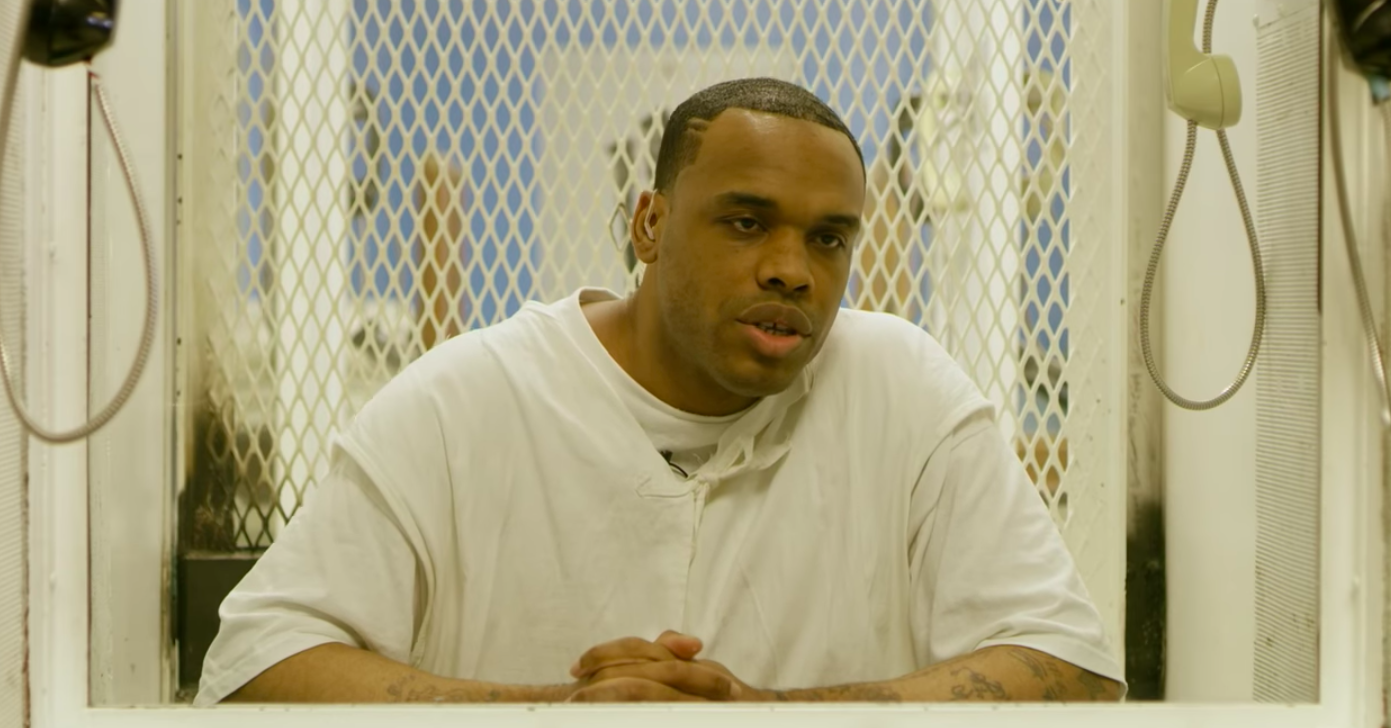
In a surprising twist, even members of the victim’s family expressed opposition to the execution. Mitesh Patel, the son of slain store owner Hash Patel, publicly supported Young’s clemency request, saying he believed “nothing positive” would come from carrying out another death. He also noted that Young’s execution would leave behind three teenage daughters without a father — comments that added emotional complexity to a case already filled with tragedy and controversy.
Moments before the lethal injection began, Young used his final statement to address both the victim’s family and the young people he had mentored while incarcerated. As the sedative pentobarbital took effect, witnesses said Young complained about the burning sensation before gradually losing consciousness. He was pronounced dead at 6:38 p.m., becoming the eighth inmate executed in Texas that year. Years after the crime that led him to death row, Christopher Young’s case continues to fuel difficult conversations about justice, redemption, race, and whether people can truly change before the state decides their fate.