A controversial wave of viral videos and online debates is once again drawing global attention to ancient archaeological discoveries after sensational headlines claimed that a mysterious stone inscription has somehow “destroyed” Islamic arguments about the Bible. The dramatic phrasing has exploded across social media, where creators are using ancient artifacts, biblical archaeology, and religious history to fuel one of the internet’s most heated faith debates.
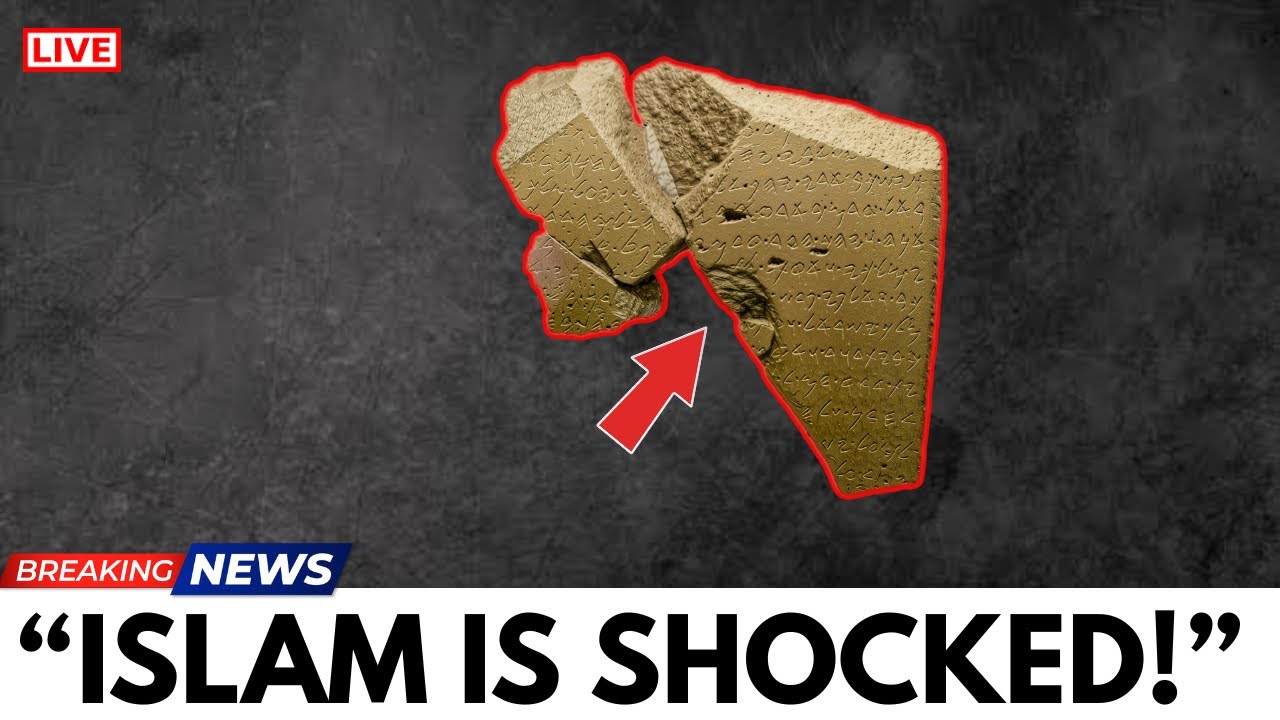
Most of the claims center around ancient inscriptions and archaeological discoveries that appear to confirm the existence of biblical figures, locations, or early scriptural traditions long before the rise of Islam in the 7th century. Artifacts such as the Tel Dan Stele, the Dead Sea Scrolls, and other ancient inscriptions are frequently referenced in these discussions because they provide historical evidence connected to Jewish and early biblical history. Supporters argue these discoveries strengthen claims that core portions of the Bible existed centuries before later religious debates emerged about whether biblical texts had been altered or corrupted over time.
Much of the online controversy specifically revolves around Islamic teachings regarding earlier scriptures. In Islam, the Torah and Gospel are respected as revelations originally sent by God, but many Muslim scholars historically taught that portions of those texts were later changed, misunderstood, or corrupted by human beings over centuries. Christian apologists and some internet commentators now claim ancient archaeological discoveries challenge those arguments by showing remarkable consistency between ancient biblical manuscripts and later versions of the text.
However, historians and religious scholars caution that viral headlines dramatically oversimplify an extremely complex theological debate that has existed for centuries. Archaeological discoveries can help scholars better understand how ancient scriptures developed and were preserved, but they rarely “destroy” entire religions or definitively settle major theological disagreements. Experts emphasize that debates surrounding scripture, interpretation, translation, and religious authority involve history, faith, and philosophy far beyond what a single artifact can conclusively prove.
The fascination surrounding these discoveries continues growing because ancient objects carry enormous emotional and symbolic power. When archaeologists uncover inscriptions, scrolls, or artifacts connected to biblical history, people often interpret the findings through the lens of their own religious beliefs. Social media then amplifies those discoveries into dramatic narratives about hidden truths, lost history, or supposed proof against opposing faith traditions.
At the center of many of these discussions is the broader question of how ancient sacred texts survived across thousands of years of war, empire, translation, and political upheaval. Discoveries like the Dead Sea Scrolls Discovery genuinely transformed historians’ understanding of biblical manuscript preservation, showing that many portions of the Hebrew scriptures remained remarkably stable across centuries. But scholars also note that textual variations and interpretive differences existed within ancient religious communities long before modern debates began.
Whether viewed as groundbreaking evidence or exaggerated internet controversy, these ancient discoveries continue captivating millions around the world because they touch directly on questions of faith, history, and identity. And as archaeology uncovers more remnants of the ancient world, debates surrounding religion, scripture, and historical truth will likely remain among the most emotionally charged conversations on the internet for years to come.

