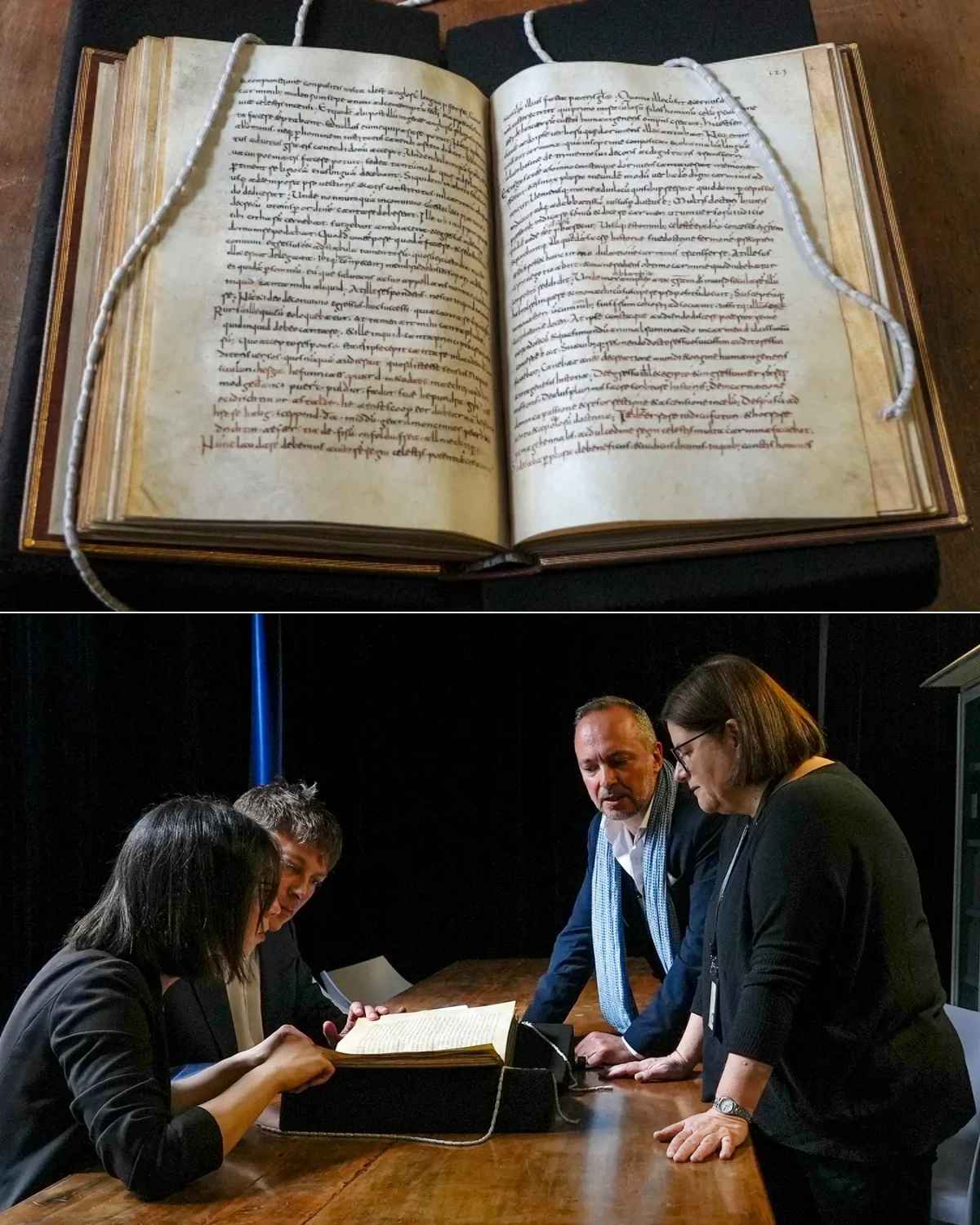
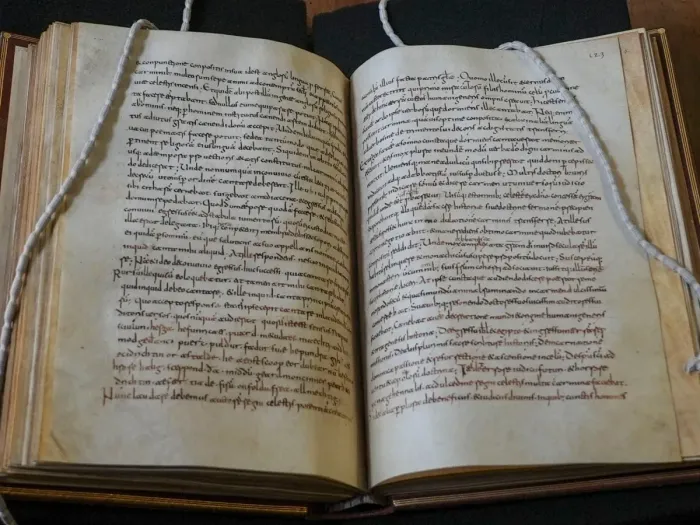
A team of researchers from Trinity College Dublin were left completely stunned after uncovering what is now believed to be the oldest surviving copy of an English poem hidden inside a medieval manuscript in Rome — a discovery scholars are calling extraordinarily significant for the history of the English language.
The poem, known as Caedmon’s Hymn, was originally composed in the 7th century and is widely considered the earliest known example of English poetry ever recorded.
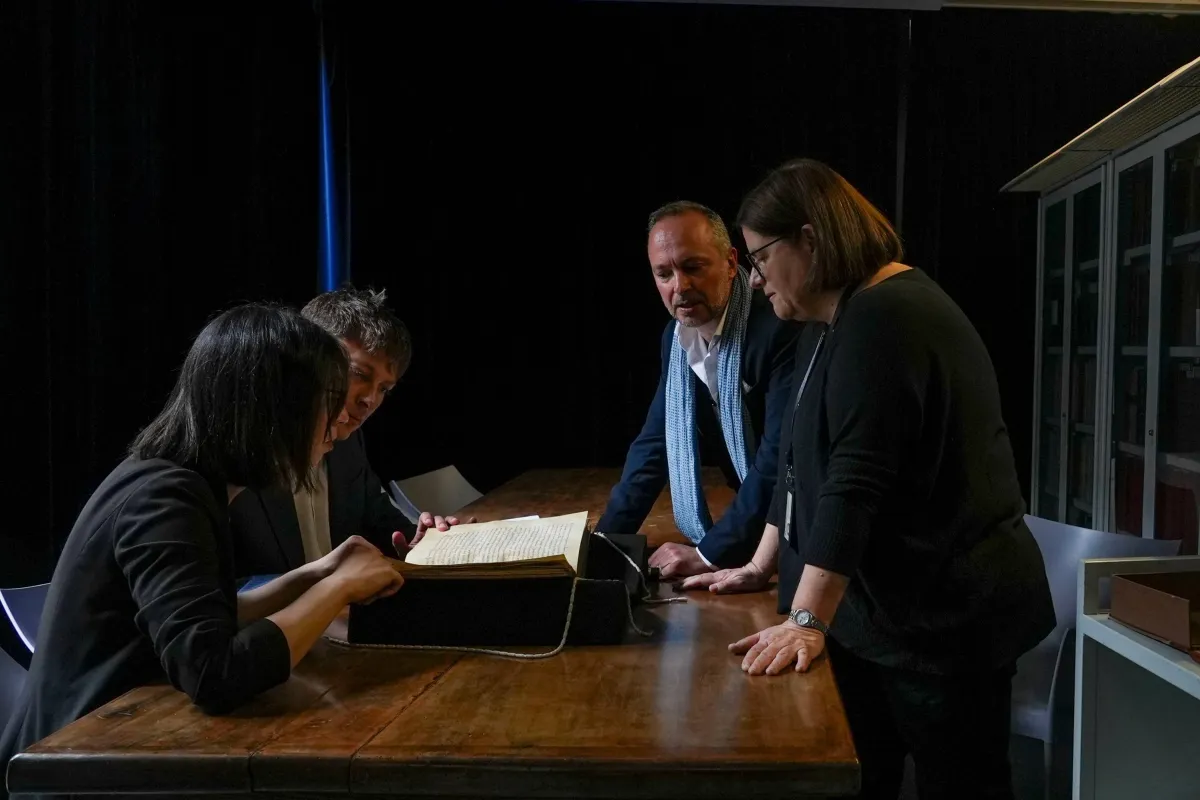
According to researchers Elisabetta Magnanti and Mark Faulkner, the moment they realized what they had found felt almost unreal.
“We were extremely surprised. We were speechless. We couldn’t believe our eyes,” Magnanti said after examining the manuscript.
The discovery was made while studying copies of Ecclesiastical History of the English People, the famous historical text written by the medieval monk and scholar Bede.
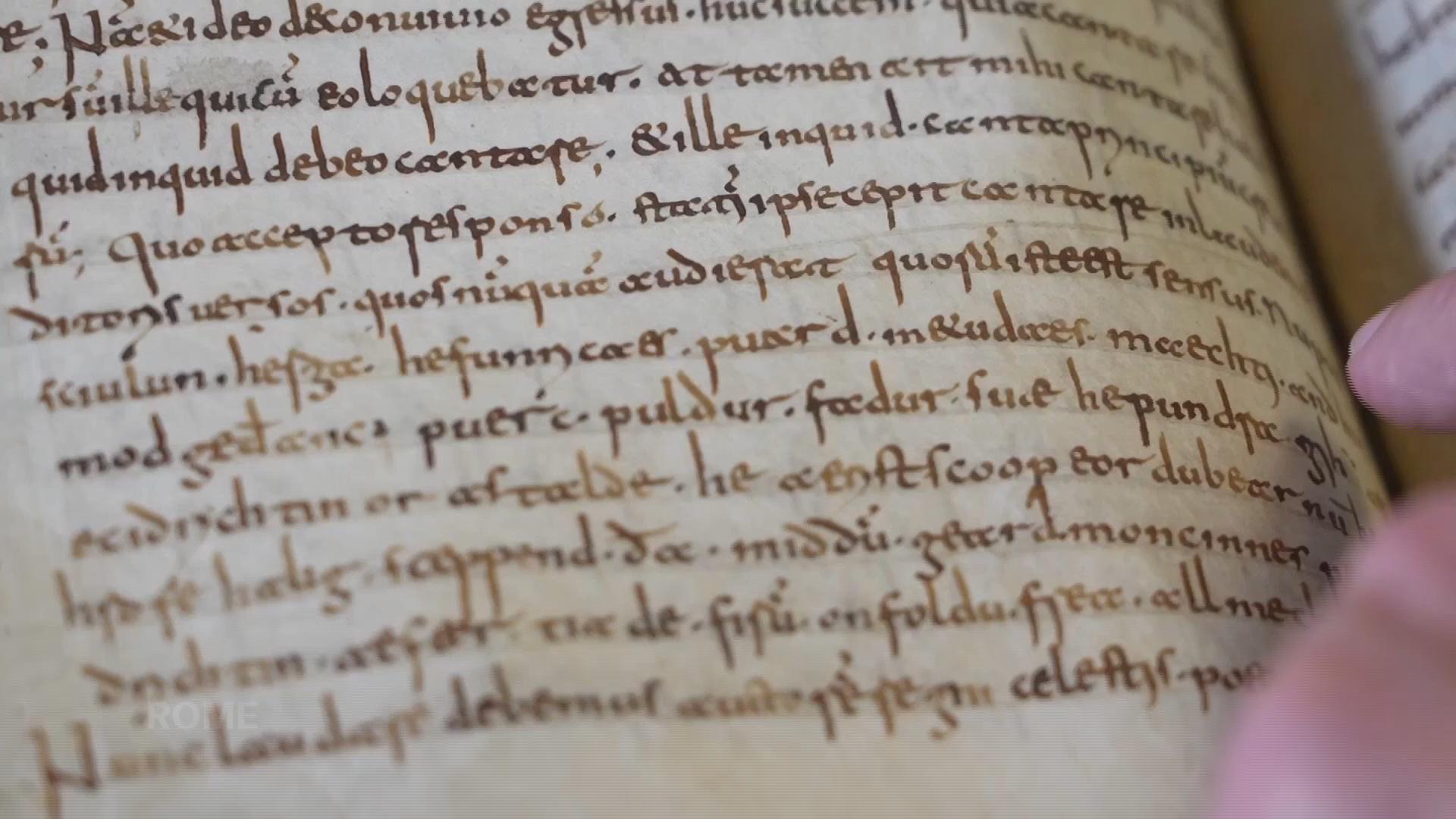
For centuries, scholars knew that versions of “Caedmon’s Hymn” existed in later manuscripts. But earlier copies usually contained the poem only as notes written in margins rather than integrated directly into the text itself.
What shocked researchers was that this newly examined manuscript from the 9th century contained a far older and more complete version than previously believed possible.
According to Faulkner, the poem’s origins trace back to a man named Caedmon, an agricultural worker connected to Whitby Abbey in medieval England.
Legend says Caedmon once attended a feast where guests were expected to sing or recite poetry. Embarrassed because he had nothing to perform, he reportedly left the gathering and went to sleep — only to experience a dream that would change literary history forever.
“A figure appeared to him in his dream telling him to sing about creation,” Faulkner explained. “And Caedmon miraculously produced the hymn.”
The manuscript itself traveled across centuries of European history before finally being rediscovered.
Experts say it was originally copied by monks at a Benedictine abbey in Italy before later passing through Roman religious institutions, private collectors, rare book dealers, and eventually the National Public Library in Rome.
Remarkably, scholars believe almost nobody seriously examined the manuscript for generations despite it sitting inside library collections for decades.
Magnanti had reportedly spent four years researching Bede’s historical writings before requesting a digital version of the text from the Roman library. After realizing its possible importance, she and Faulkner traveled to Rome in person to inspect the manuscript directly.
What they found stunned them.
Before this discovery, the earliest surviving manuscript containing the poem dated back to the early 12th century. This newly studied copy is believed to be roughly three centuries older, dramatically reshaping scholarly understanding of how early English literature circulated during the medieval period.
The findings were officially published in the academic journal Early Medieval England in April 2026.
Following the discovery, Rome’s National Public Library reportedly made the entire Nonantolan manuscript collection digitally accessible for researchers worldwide, opening the door to future discoveries hidden within medieval archives.
And according to library officials, this may only be the beginning.
Experts now believe countless overlooked manuscripts sitting quietly in libraries across Europe could still contain historical treasures waiting to be rediscovered centuries later.