Deep within the rainforests of the Democratic Republic of the Congo, several Indigenous communities have drawn global attention for preserving traditions, languages, and ways of life that have remained largely unchanged for generations. Anthropologists and documentary teams visiting remote areas of Central Africa have documented how some groups continue to live closely connected to the forest, relying on hunting, fishing, music, storytelling, and deep ecological knowledge passed down through centuries.
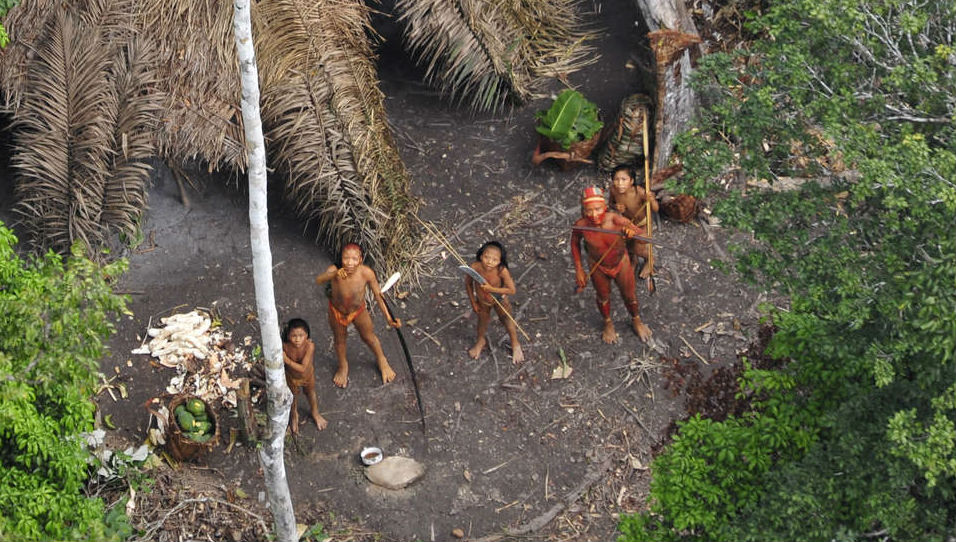
Among the most widely studied are Indigenous forest peoples often referred to collectively as “Pygmy” communities, including groups such as the Mbuti and Aka. Researchers say these communities possess extraordinary knowledge of the rainforest ecosystem, from medicinal plants to wildlife behavior. Their cultural practices, spiritual beliefs, and musical traditions have fascinated historians and scientists for decades, helping the outside world better understand human diversity and traditional forest life.
Despite the interest surrounding them, many of these communities face serious modern challenges, including deforestation, armed conflict, poverty, and displacement caused by mining and logging operations in the Congo Basin. Human rights organizations have repeatedly warned that Indigenous groups in the region are among the most vulnerable populations in Central Africa.

Documentaries and research projects have helped bring attention not only to their traditions, but also to the importance of protecting both their culture and the rainforest environment they depend on. Experts continue to emphasize that these communities should not be treated as “mysteries” or spectacles, but as living cultures with histories, identities, and rights deserving of respect.
Today, growing international attention has sparked renewed discussions about conservation, Indigenous rights, and the need to preserve cultural heritage in one of the world’s most biodiverse regions.