Mount Sinai has long been one of the most historically and spiritually significant locations in the Middle East, associated in biblical tradition with Moses and the Ten Commandments. Over the years, archaeologists and historians working in the Sinai Peninsula have uncovered ancient monasteries, inscriptions, caves, pathways, and religious artifacts that help researchers better understand the region’s long history of pilgrimage and settlement.
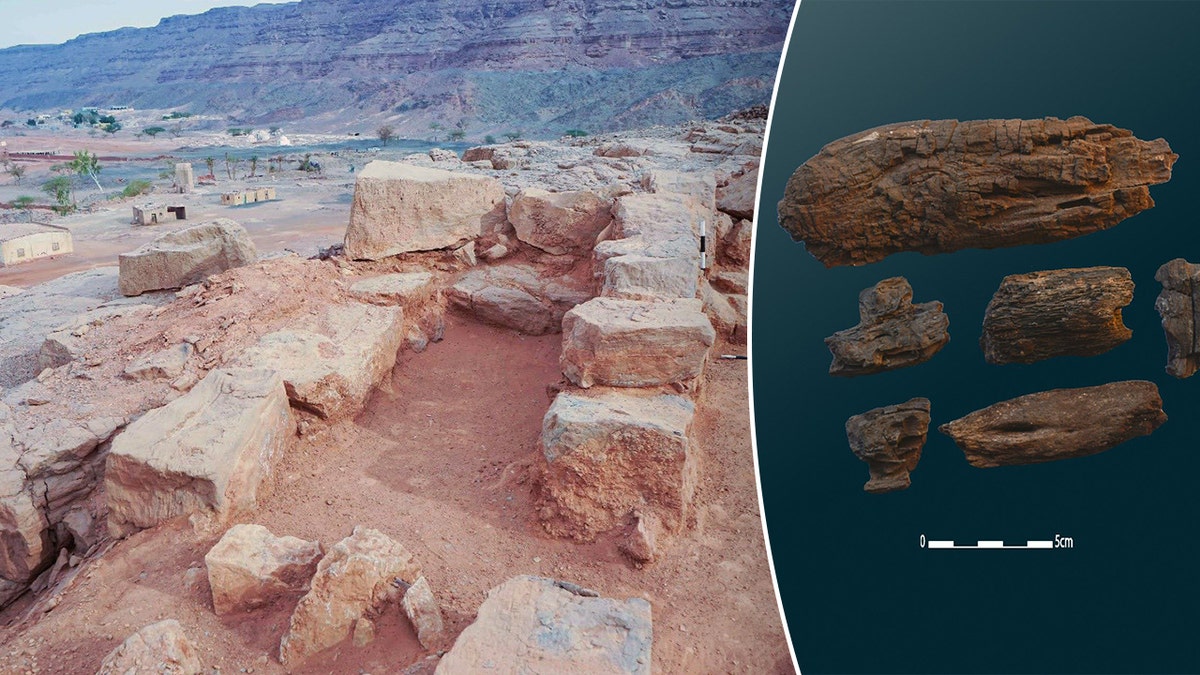
While there is no verified discovery of a mysterious “vault” beneath Mount Sinai, ongoing archaeological work near sites such as Saint Catherine’s Monastery has revealed valuable historical materials dating back centuries. Researchers studying the area continue to examine manuscripts, ancient structures, and underground storage chambers used by monks and travelers throughout different historical periods.
Some discoveries in the Sinai region include early Christian manuscripts, Byzantine-era construction, rock carvings, and evidence of ancient trade and pilgrimage routes crossing the desert landscape. Historians say these findings provide important insight into how the area became a major religious center for Judaism, Christianity, and Islam.

The article explores both the archaeology and the long-standing traditions connected to Mount Sinai, while also noting that many dramatic claims circulating online about hidden chambers or secret relics remain unconfirmed by mainstream archaeological research.
Today, Mount Sinai continues to attract pilgrims, researchers, and tourists interested in the intersection of history, religion, and archaeology in one of the world’s most iconic desert regions.