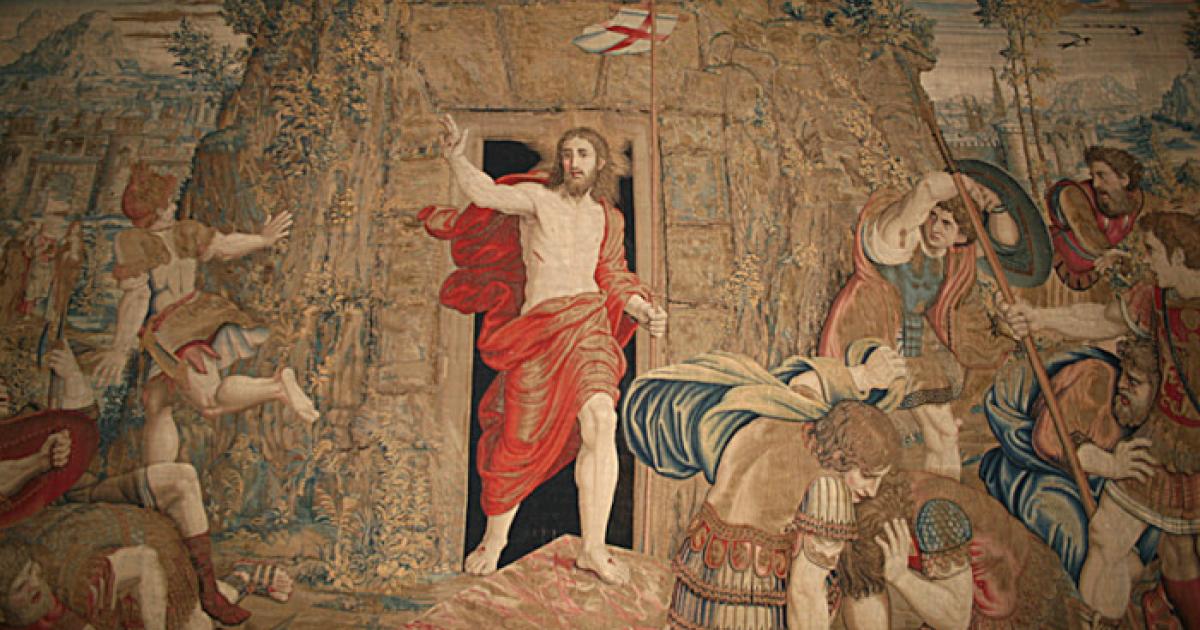
 For nearly 2,000 years, the question of whether Jesus Christ truly rose from the dead has remained one of the most debated topics in human history. Now, a new analysis is drawing fresh attention to the discussion by arguing that several key elements of the resurrection story may be supported by historical evidence.
While belief in the resurrection remains a matter of faith for billions of Christians worldwide, the latest study explores whether certain events surrounding the death of Jesus can be examined through historical methods rather than theology alone.
A New Examination of Ancient Evidence
The study was conducted by Pearl Bipin, an engineer and mathematician affiliated with the National Institute of Technology Goa.
Using a framework known as the “Minimal Facts” approach, Bipin focused only on historical points that are accepted by a broad range of scholars, including both Christian and non-Christian researchers.
Among those widely accepted points are:
- Jesus of Nazareth was crucified under Pontius Pilate.
- His followers sincerely believed they experienced appearances of Jesus after his death.
- The early Christian movement expanded rapidly despite persecution.
- Key figures such as James and Paul underwent dramatic personal transformations.
The study argues that several commonly proposed natural explanations struggle to fully account for all of these facts when considered together.
 The Question of the Empty Tomb
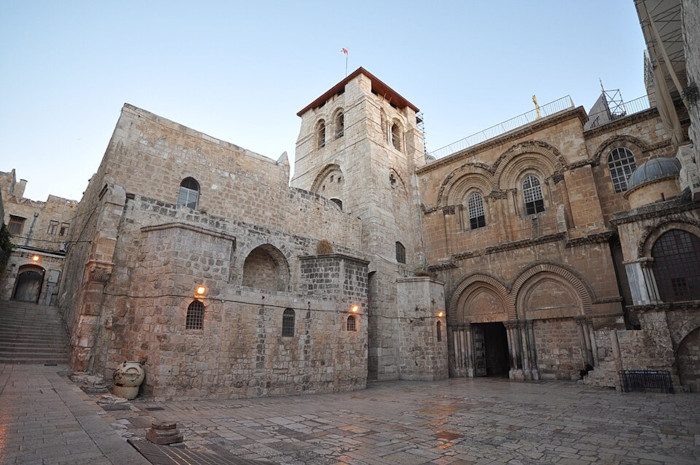
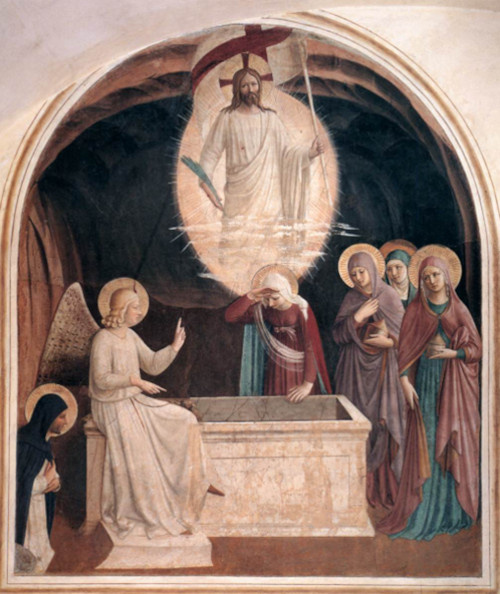
One of the most discussed aspects of the resurrection narrative is the claim that Jesus’ tomb was found empty shortly after his crucifixion.
According to the New Testament accounts, the tomb belonging to Joseph of Arimathea was discovered empty by a group of women followers.
Some historians have argued that the inclusion of women as primary witnesses is noteworthy because female testimony held limited legal and social status in many parts of first-century Judean society.
Supporters of the historical case suggest this detail may indicate that the account was not simply crafted to maximize credibility among contemporary audiences.
However, historians remain divided on how much weight should be assigned to the Gospel narratives and whether the empty tomb tradition can be independently verified.
The Transformation of Jesus’ Followers
Another point frequently highlighted by scholars is the dramatic change in behavior among Jesus’ earliest followers.
Historical records indicate that the disciples, who appeared fearful and scattered after the crucifixion, later became public advocates of the resurrection message despite facing imprisonment, persecution, and, in some cases, death.
Researchers also point to the conversions of:
- James, who is described in early Christian sources as initially skeptical.
- Paul the Apostle, formerly known as Saul of Tarsus, who transitioned from persecuting Christians to becoming one of the movement’s most influential leaders.
Supporters of the resurrection hypothesis argue that these transformations require a compelling explanation, while critics contend that sincere religious experiences do not necessarily confirm supernatural events.
Why the Debate Continues
Despite ongoing research, the resurrection remains one of the most challenging questions for historians.
Many scholars acknowledge that certain historical facts surrounding Jesus’ death and the rise of Christianity are difficult to dispute. However, determining whether a supernatural event occurred falls outside the traditional scope of historical methodology.
Prominent New Testament scholar Bart Ehrman has argued that extraordinary claims require exceptionally strong evidence and that historians generally seek explanations grounded in natural causes.
Others maintain that the available evidence is best explained by the resurrection itself.
As a result, interpretations often depend on broader philosophical and theological assumptions about the possibility of miracles and the nature of historical evidence.
History, Faith, and an Enduring Mystery
Few events have shaped world history more profoundly than the rise of Christianity.
Whether viewed as a matter of faith, a historical puzzle, or a combination of both, the resurrection of Jesus continues to inspire scholarly research, public fascination, and passionate debate across cultures and generations.
The latest study is unlikely to settle the question once and for all. However, it demonstrates that one of humanity’s oldest mysteries remains very much alive in both academic and religious discussions today.