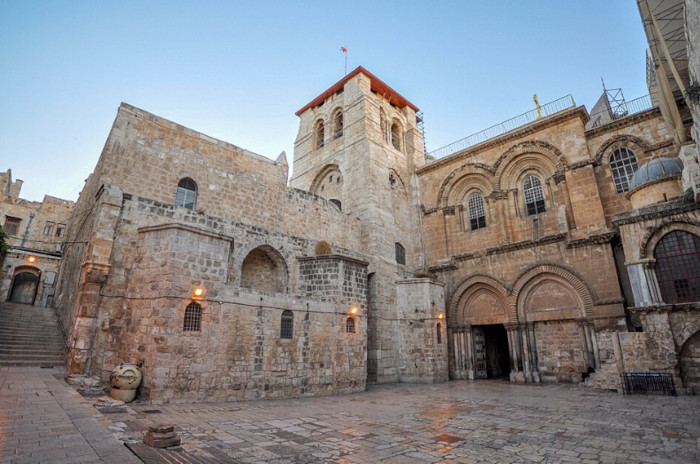
 The unexpected closure of the Church of the Holy Sepulchre during Holy Week has triggered intense global reactions, with some online commentators linking the event to biblical prophecies about the “end times.”
However, while speculation has spread rapidly across social media, officials say the closure was ordered primarily due to escalating regional security concerns surrounding the ongoing conflict involving Israel and Iran.
Located in Jerusalem’s Old City, the Church of the Holy Sepulchre is considered one of Christianity’s holiest sites. Built in the 4th century under Roman Emperor Constantine, the church is traditionally believed to mark the location of Jesus Christ’s crucifixion, burial, and resurrection.
Each year during Holy Week and Easter, thousands of pilgrims travel from around the world to participate in ceremonies and processions inside the historic sanctuary.
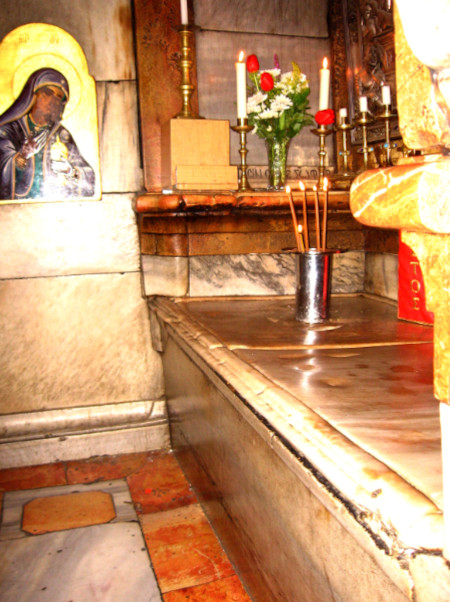
This year, however, Israeli authorities ordered the church closed indefinitely beginning February 28, 2026, citing heightened security risks after missile fragments from intercepted attacks reportedly landed near the area in March.
The decision marked one of the most significant disruptions to Easter observances in modern memory.
The closure has interrupted several major traditions, including public processions along the Via Dolorosa — the route believed to trace Jesus’ path to crucifixion. Church leaders described the situation as unprecedented, especially during one of Christianity’s most sacred periods.
While the church temporarily closed during the COVID-19 pandemic and briefly during protests in past years, a prolonged shutdown tied directly to regional conflict has raised broader concerns among religious communities.
Authorities have also imposed restrictions around other major religious sites in Jerusalem, including the Al-Aqsa Mosque and the Western Wall, due to ongoing security tensions.
Amid the closure, online discussions quickly turned toward biblical prophecy.
Some observers pointed to passages in the Book of Revelation describing turmoil surrounding the city where “their Lord was crucified,” interpreting current events as symbolic parallels to prophetic warnings connected to the Antichrist and the end times.
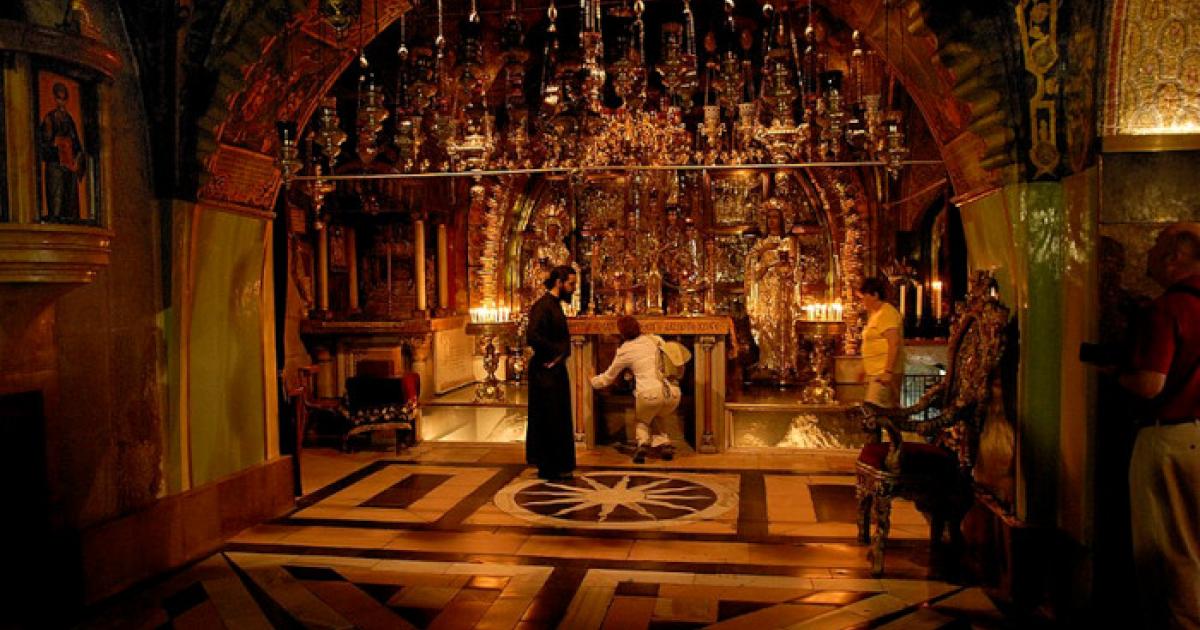 Religious scholars, however, caution against linking modern geopolitical events directly to biblical prophecy without careful theological context.
Experts note that interpretations of Revelation vary widely among Christian traditions and that no official church authority has declared the current situation to be fulfillment of end-times prophecy.
At the same time, the closure has reignited broader conversations about access to holy sites in Jerusalem and the fragile balance of religious, political, and security interests in the region.
The Church of the Holy Sepulchre itself has a long and turbulent history. Over the centuries, it has survived destruction, reconstruction, wars, and political upheaval. Since the 12th century, the keys to the church have famously been entrusted to two Muslim families serving as neutral custodians — a rare arrangement that continues today.
Religious leaders, including representatives connected to the Vatican and Eastern Christian churches, have reportedly appealed for limited access to continue during Holy Week while negotiations with authorities remain ongoing.
For now, the closure of one of Christianity’s most sacred sites during Easter season has left many believers around the world shocked, emotional, and uncertain about what comes next.