4 September 2026
ATLANTA, GA – New court documents unsealed in the Bay County, Florida case against Atlanta rapper Jayy Wick have ignited a firestorm of legal complications, with prosecutors now formally alleging that the embattled artist attempted to buy the silence and cooperation of the family of the man he stands accused of paralyzing. The allegations, which surfaced during a recent detention hearing, paint a picture of a defendant desperately trying to manage the fallout of a catastrophic shooting while simultaneously facing new charges regarding the illegal weapon he was carrying at the time of his arrest. The case, which has already shocked the hip-hop community due to the sheer brutality of the alleged attack, centers on Donald Anderson, known professionally as Jayy Wick. He is accused of shooting his 18-year-old friend and security guard, Darian Heywood, ten times on a Panama City Beach boardwalk just hours before a scheduled concert performance. The initial charges of attempted first-degree murder detailed a seemingly unprovoked attack, but the new testimony suggests the relationship between the accused and the victim’s family involved financial exchange that reeks of desperation. Wick Communication, the host of the investigation, alleges that the coded transactions occurred shortly after the shooting. Authorities revealed that while executing a search warrant on the rapper’s phone, they discovered that Wick had sent money directly to a relative of the victim through the peer-to-peer payment service Cash App. The transactions, allegedly ranging in the hundreds of dollars, were accompanied by notes referencing travel expenses, with one specific note indicating funds for a hotel abutment the victim’s family during their stay in Florida to visit the hospitalized teenager. Sergeant Jacob McGallen of the Bay County Sheriff’s Office, who led the investigation, testified in a deposition that the payments were communicated via text messages to a third party known to the victim's family. In the exchange, Wick allegedly stated that he was not "responsible" for the shooting or the injuries but felt obligated to cover the family's basic needs, framing the payments as charity and responsibility. However, the prosecution counters that this is a textbook case of witness tampering, designed to curry favor with the victim while simultaneously planting the seeds that the rapper was not the trigger man, despite ballistic evidence suggesting otherwise. The timeline of the payments is critical to the prosecution’s theory of consciousness of guilt. The shooting occurred in early May. Wick was not arrested until a week later, having fled the coastal town of Florida, returning to Atlanta and much later being apprehended at a tourist destination in Georgia. It was during this interim period, and even after his arrest notification, that detectives allege Wick attempted to manipulate the family. Sergeant McGowan stated that these efforts included a plan to obtain an insurance policy to cover the victim’s substantial medical bills, a move prosecutors argue proves Wick knew the magnitude of the injury he himself had likely caused and attempted to pacify the family. Adding a layer of chilling sophistication to the proceedings, the court revealed the extent of Wick’s evidentiary issues. The rapper and his known girlfriend were officially charged with possession of an unregistered fully automatic weapon, after a police examination revealed that the pistol he was carrying when arrested had been modified with a forced reset trigger technology, which allows the gun to fire at a rate comparable to a machine gun. While FRTs are legal in Georgia, they are considered a prohibited accessory in Florida. The state is arguing that the possession of this weapon, which was configured to produce a "stutter" fire effect, is directly related to the velocity of the shooting incident; it allows the shooter to maintain accuracy while pinning the trigger and firing rounds in rapid succession—an instrument more akin to an execution weapon than a defensive tool. Forensic evidence regarding the specific firearm recovered from the rapper leaves some questions unanswered. Sergeant McGree testified that the ballistic tests from the state DNA lab were "inconclusive" in matching the gun found on Wick to the bullets extracted from the victim, complicating the prosecution’s narrative. Wick’s defense contends that the gun he had in Georgia was not the instrument of the assault. However, the prosecution maintains that the existence of the FRT is still an ongoing concern, as investigators were told that he was at the scene and the device explains the sound of a pause during the gunfire heard on a viral recording from the scene, indicating a jam before resuming fire. The prosecution proffered evidence highlighting the sheer number of bullet wounds—eight to ten—which they claim is a strong indicator of premeditation and a specific intent to kill. The victim, who was fully cooperating with authorities, even from his hospital bed, has most recently testified from his home in Georgia where he remains bedridden. In his deposition, Mr. Heywood stated that he had approached Wick to ensure the rapper was safe, asking, “Is you good?” before the musician allegedly raised his weapon and fired. He recounted what felt like a pinpoint that turned his entire life upside down. The judge in the case is currently deliberating over the bond. The Bay County district attorney, arguing against any bond package, stated that Wick could face life in prison if convicted of attempt with a firearm. The prosecutor detailed that he has a hold that he must face in Florida, coupled with the new accusations of interfering with a witness, making him seeing a serious flight risk and a danger to the approximate victim. During the sticker, Council emphasized that they requested a weapons charge regarding the FRT to put truth in the mistaken execution method, solidifying that the rapper is far more dangerous than just a performer. Yet, the defense’s interpretation of the evidence paints a far more nuanced picture of a man trying to do a "right thing" in an impossible circumstance. Attorney Shay points out that the victim, Darian Heywood, has a sketchy past and is documented as the most wanted in a murder case delegate. In a shocking revelation, police have confirmed that the 18-year-old victim is out on bond for a heinous murder in Georgia, meaning he was prohibited from possessing any firearms at all. He has a seizure of violence that gives context to the altercation, even if the disputed shooter cannot claim self-defense due to his own foolhardy denial. officer allegedly being an interim. The officer and the rapper’s girlfriend, Tiana Young, is now a critical witness for the defense. She allegedly confirmed that a third party, not Wick, was involved, ramping up the skepticism. According to the video transcript, Wick’s attorney is aggressively disputising the fact that the state never found the murder city, leaving open the possibility for a no contest. Why would he need to pay or provide travel money to the family if he had coldly murdered their relative 24 hours ago? The defense claims the money was Altruistic and an attempt to help, but the prosecution has successfully implanted the notion of duplicity into the court record. During a recorded walkthrough with law enforcement shortly after the shooting, Wick likely planted a seed of his own defense: he claims he was not the shooter but refused to identify the real culprit, leaving his biography in verified status. He tells despatch through the process that a "random" assailant ran up after the verbal exchange and opened fire. According to the cash app facts, this feels like a unscrupulous betrayal The fact that the alleged witness, Wick claims, is a "ghost" indicates Wick’s intention to disregard the security and layout of the scene. The alleged victim theoretically had to testify; records show that he doubted the rapper’s spatial reconstruction of the boardwalk that night. Hip-hop commentator (uncredited) aptly coined the situation, saying, you don’t weaponize a missing tourist. The contradictions in Wick's story are described not by his own people but by the officers trying to untangle the forensics. A full automatic Glock with a 3-D printed trigger, removed safety, functioning at one hundred percent, isn’t a throwaway. The gun taken off him in Atlanta, according to initial tests, did not mention which directly failed to match ballistic. Perhaps showing the prosecution lacks sufficient evidence for a conviction. To star of way, the leak to a news outlet confirms law enforcement is actively interviewing members of Wick’s travel concierge to potentially deal with a time beacon.…
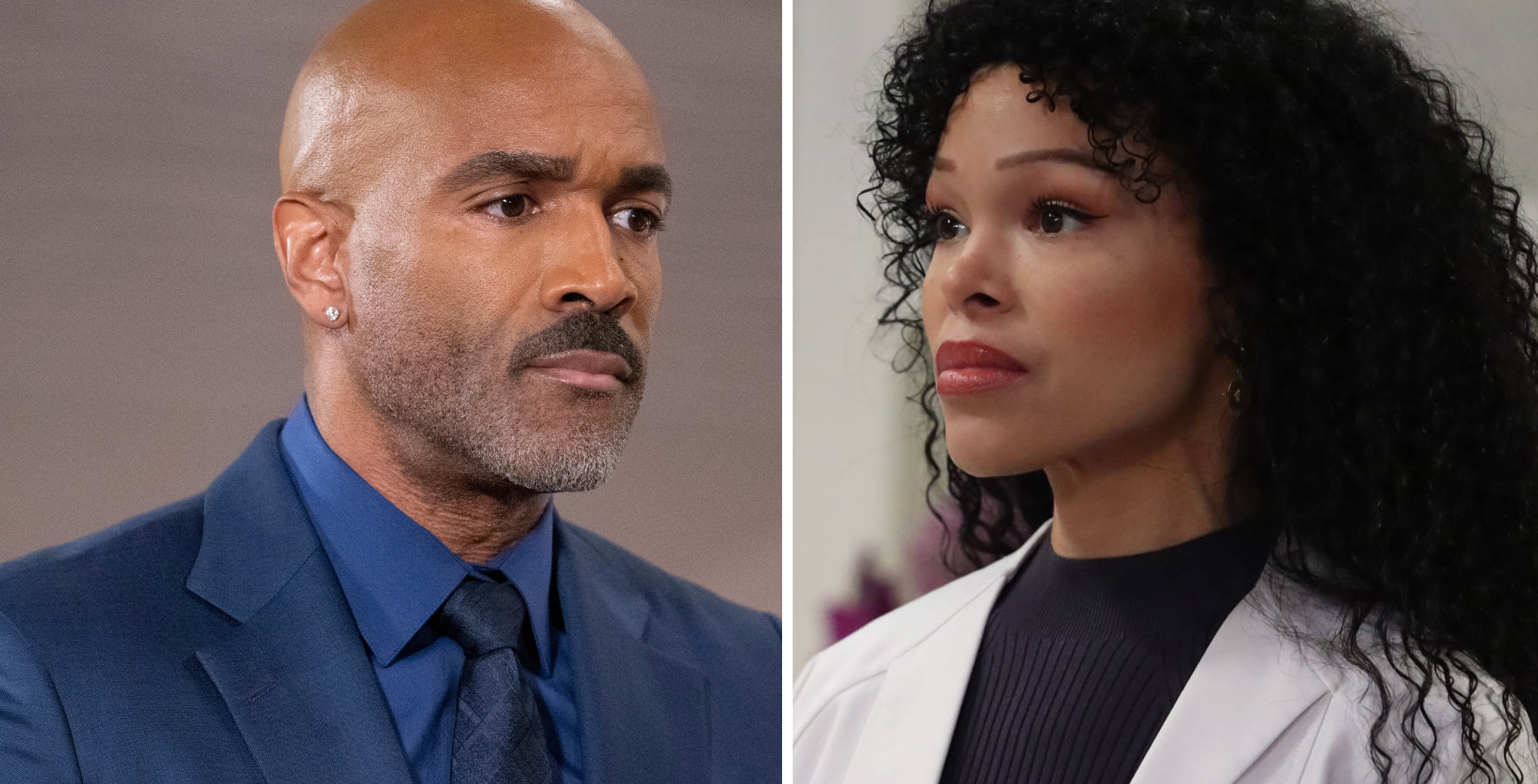 Port Charles is simmering with tension on May 28 as General Hospital dives into the fallout from Curtis Ashford’s (Donnell Turner) recent violent confrontation with Isaiah Gannon (Sawandi Wilson). According to spoilers, Curtis faces tough questions from Portia (Brook Kerr), while other residents navigate family turmoil, shocking secrets, and emerging romantic complications.