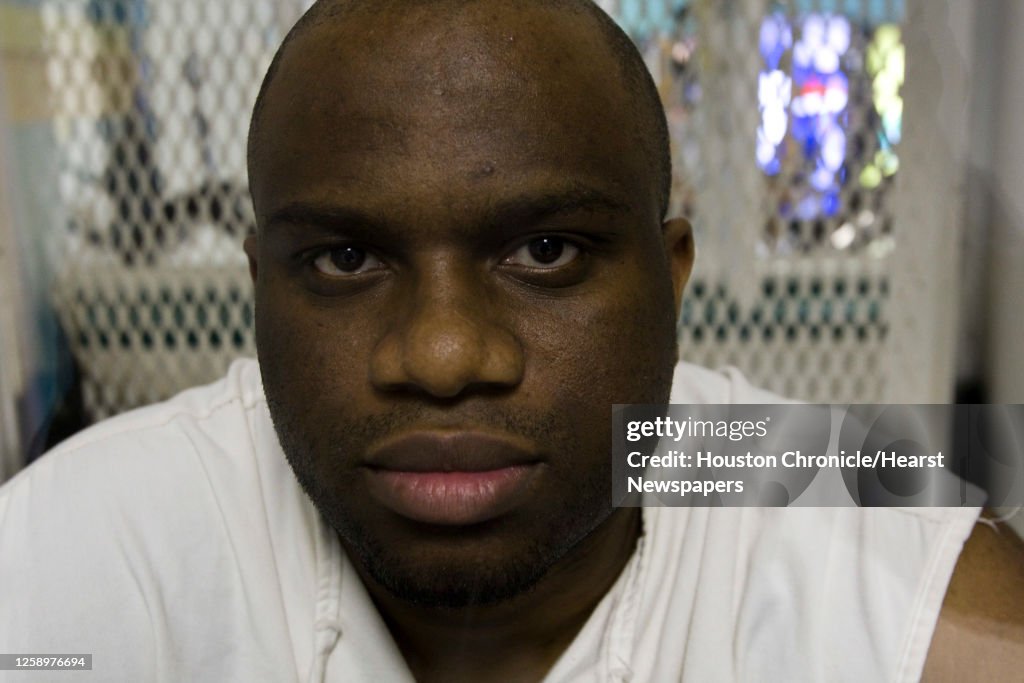
 Franklin DeWayne Alix, a Houston criminal responsible for a wave of violent offenses that included at least four murders, kidnappings, sexual assaults, and multiple armed robberies, was executed by lethal injection at the Huntsville Unit in Texas on March 30, 2010, for the January 3, 1998 killing of Eric Bridgeford, a 23‑year‑old man who interrupted a robbery at his sister’s apartment.
Alix, born August 6, 1975, embarked on a violent crime spree beginning in August 1997 that terrorized apartment complexes and neighborhoods in Houston, Texas. Investigators linked him to multiple offenses including four confirmed murders — the August 8, 1997 shooting of 41‑year‑old Gregorio Ramirez, the October 5, 1997 killing of Selemawi Tewolde, the January 3, 1998 murder of Eric Bridgeford, and the January 4, 1998 fatal shooting of 34‑year‑old Christopher Thomas — as well as several kidnappings, robberies, and other violent acts during the six‑month period.
According to court records, on January 3, 1998, Alix abducted 19‑year‑old Karyl Bridgeford at gunpoint, forcing her into the trunk of her car before driving her to an ATM and later to her home, where he demanded money and threatened to kill her. Alix searched the residence and terrorized Bridgeford before she was able to escape. Bridgeford’s brother, Eric Bridgeford, arrived during the incident and was shot in the back by Alix as he attempted to flee, sustaining fatal injuries. Police arrested Alix on January 6, 1998, and he later confessed to killing Eric, leading authorities to the murder weapon.
At trial, Alix admitted to the abduction and many of the crimes but offered defenses that included claims of consensual sex and self‑defense regarding the shooting. Prosecutors, however, presented extensive evidence of the spree’s violence, including witness testimony and ballistic links. The jury convicted Alix of capital murder on August 26, 1998, and he was formally sentenced to death on September 2, 1998. During the punishment phase, prosecutors introduced evidence of other homicides and offenses during the 1997–1998 spree.
Alix spent more than a decade on Texas’s death row, filing appeals and raising challenges about evidence and convictions, but courts consistently upheld his sentence. On the day of his execution, Alix declined a last meal, and as lethal injection was administered at approximately 6:20 p.m. Central Daylight Time, he delivered final words stating, “I am not the monster they made me out to be. I made lots of mistakes that took your son. I messed up, made poor choices. I’ll take it to the grave, I will be at peace. It is what it is. I got peace in my heart.” Family members of Eric Bridgeford and other victims were present for the execution.
The execution of Franklin DeWayne Alix brought closure to a case that spanned years and captured widespread attention in Houston and beyond, highlighting a period of violent crime that left multiple families devastated and stirred ongoing discussions about criminal justice, sentencing, and capital punishment in Texas.