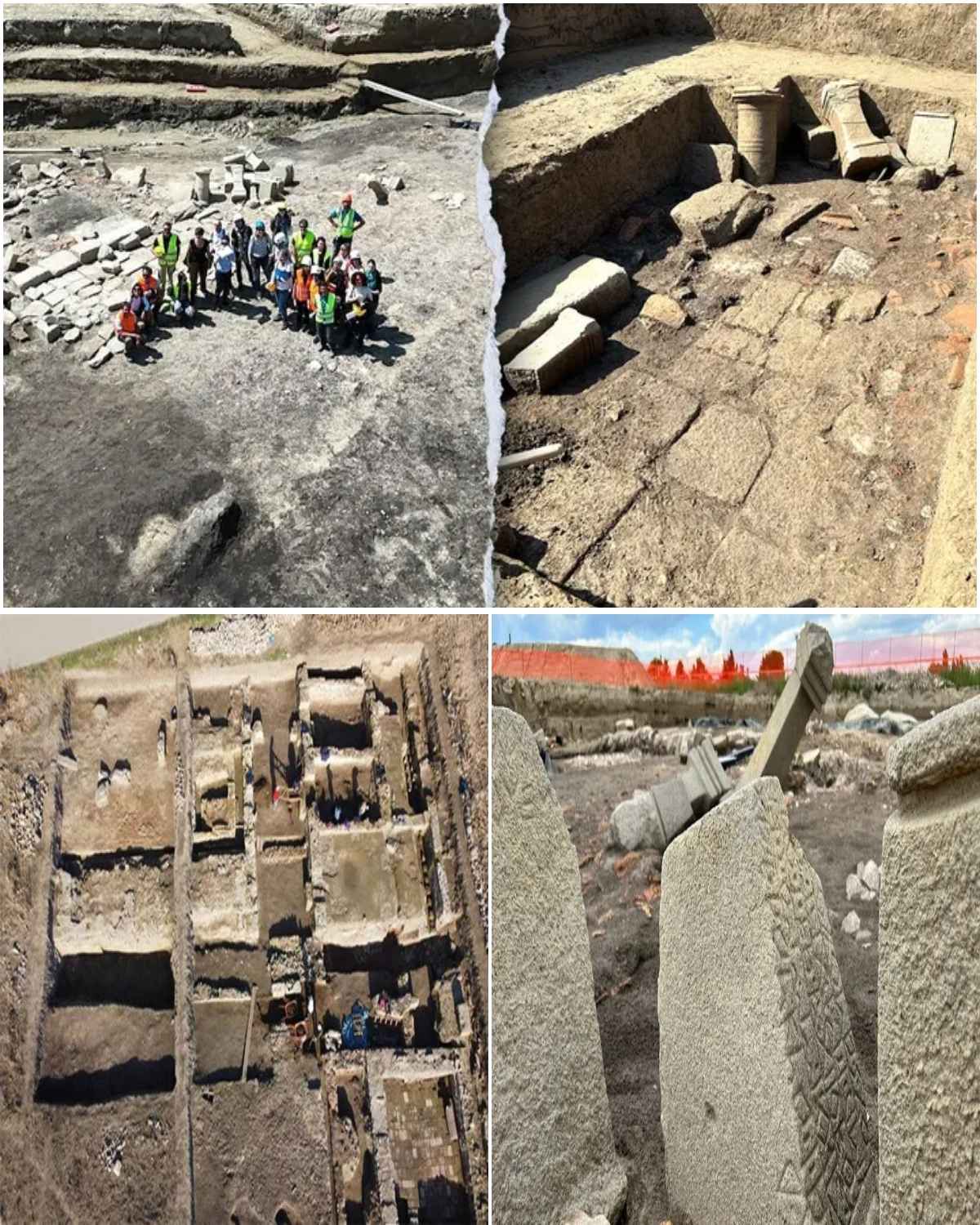
Construction workers clearing unexploded wartime ordnance in northern Italy expected to find remnants of the 20th century. Instead, they uncovered traces of a civilization that existed more than 2,500 years ago.
What began as a routine infrastructure project has evolved into one of Italy’s most intriguing archaeological discoveries of recent months. During the construction of a new highway connecting Borgo Veneto and Carceri, near the town of Ponso in the Veneto region, workers unexpectedly revealed the remains of a major ancient sanctuary dating back to the 5th century B.C. The find is now providing archaeologists with a rare glimpse into a religious landscape that existed long before Roman domination of northeastern Italy.
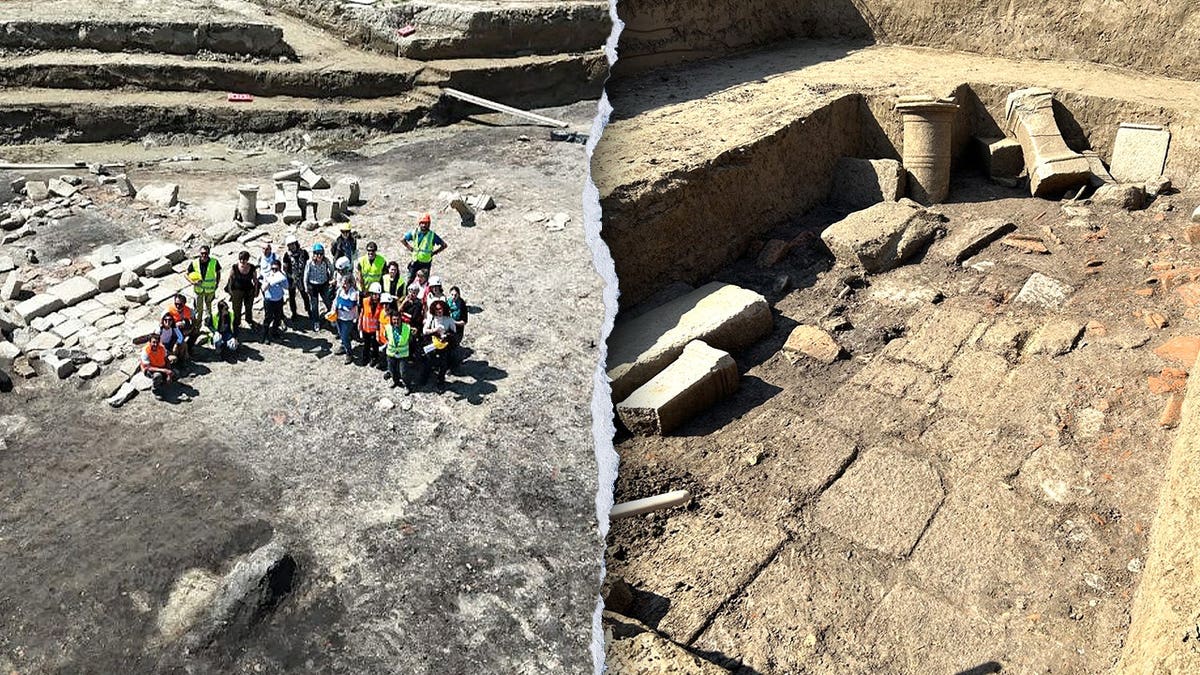
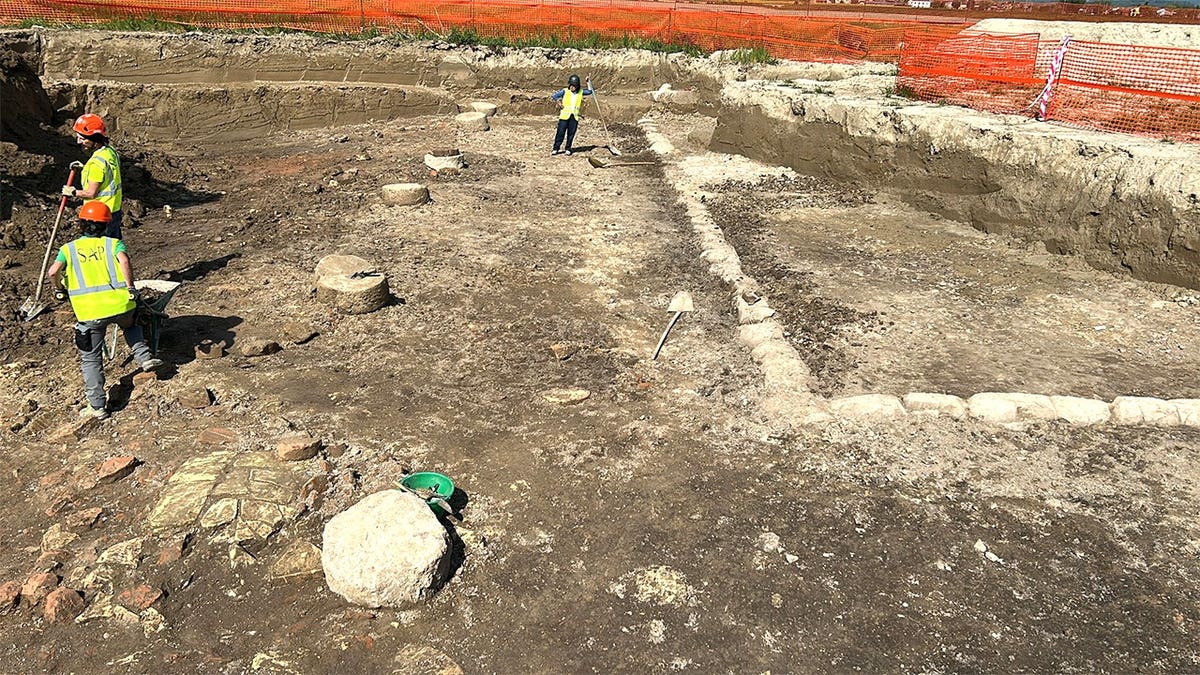
According to Italy’s Superintendency of Archaeology, Fine Arts and Landscape, the discovery was made during preliminary bomb-clearing operations required before road construction could proceed. As crews removed wartime hazards buried beneath the ground, the first ancient artifacts began to emerge. What initially appeared to be isolated remains soon developed into something far more significant.
Excavations revealed large rectangular foundation structures that archaeologists have identified as temples. One of the most remarkable buildings appears to have been a peripteral temple, a monumental structure surrounded by columns on all sides, a design associated with important sacred architecture in the ancient Mediterranean world.
The scale of the remains suggests that this was not a small rural shrine but a major religious complex that likely served an important role for local communities centuries before the arrival of Roman rule.
Perhaps even more significant than the architecture itself are the inscriptions found throughout the site.
While some of the carved stones bear Latin inscriptions from the Roman period, many others feature writing in Venetic, the language once spoken by the ancient Veneti people who inhabited northeastern Italy before Roman expansion. The Venetic language remains one of the most important sources of information about the region’s pre-Roman cultures, making every new inscription a valuable piece of historical evidence.
Archaeologists noted that several of the inscriptions appear to have a votive character, meaning they were likely associated with religious offerings, dedications, or acts of worship. Such inscriptions provide direct evidence of spiritual practices carried out at the sanctuary more than two millennia ago.
Researchers were particularly intrigued by the discovery that many of the inscribed stones appear to have been reused in later construction projects. Some were incorporated into a paved flooring structure whose purpose remains unclear, while others appear to have remained in their original locations. This reuse of sacred materials suggests that the site underwent multiple phases of development rather than being abandoned after its earliest period of use.
Evidence currently under study indicates that parts of the paving system were constructed during the 1st century A.D., centuries after the sanctuary was first established. Rather than disappearing, the site appears to have adapted to changing political and cultural realities as Roman influence expanded across the region.
This continuity is one of the most fascinating aspects of the discovery.
Archaeologists believe a branch of the Adige River may have flooded the area at some point during antiquity, potentially altering the landscape and forcing modifications to the sanctuary. Yet despite environmental changes and the transition from Venetic to Roman control, preliminary evidence suggests the location retained its importance.
“The site appears to have retained an important function during Roman times as well,” officials explained, “although expressed through different forms and cultural frameworks than in the earlier phase.”
In other words, the sanctuary may represent a rare example of cultural transition rather than cultural replacement. Instead of a sacred site being abandoned when Roman rule arrived, the evidence suggests it continued to serve a meaningful role, adapting to new religious traditions and political structures while maintaining its significance within the local landscape.
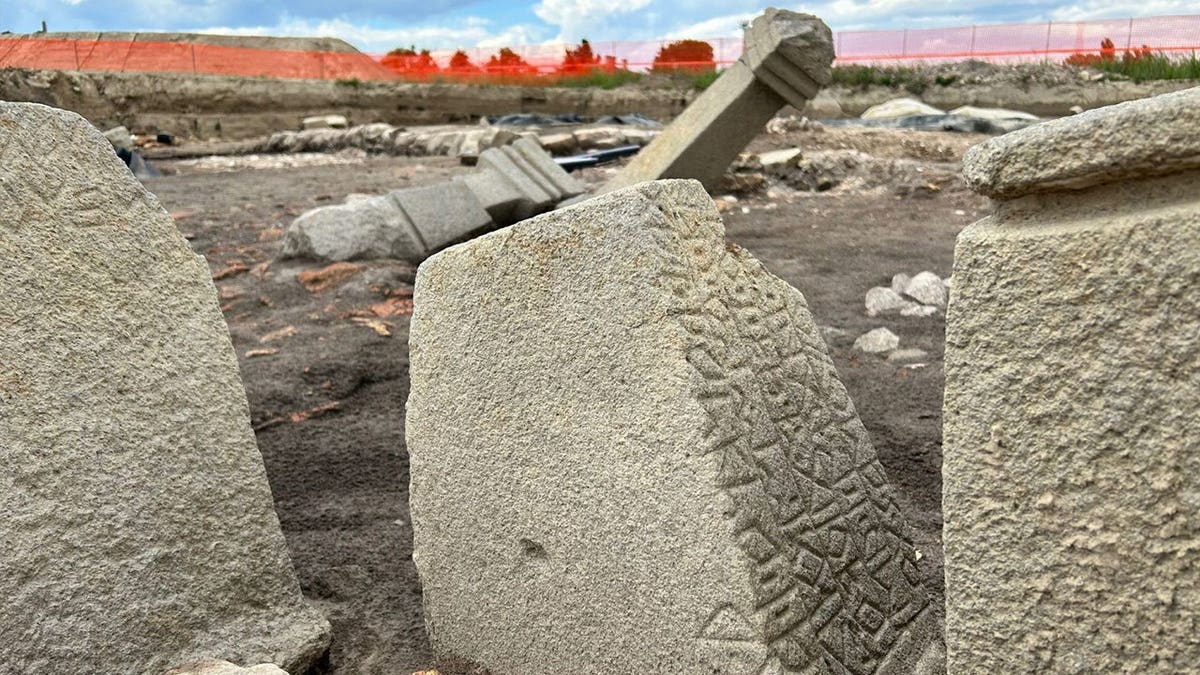
Photographs released from the excavation reveal partially buried columns, massive stone blocks, and inscribed fragments emerging from the earth after centuries of concealment. For archaeologists, these remains offer a unique opportunity to study the interaction between indigenous Venetic traditions and the expanding Roman world.
The discovery also highlights how many ancient sites remain hidden beneath modern infrastructure projects. In this case, a search for unexploded bombs from modern warfare unexpectedly exposed evidence of a much older chapter of human history.
Researchers continue to investigate the sanctuary, and further excavations may reveal additional temples, ritual spaces, or inscriptions that could deepen our understanding of the Veneti people and their religious practices.
As work continues, the Ponso sanctuary joins a growing list of major archaeological discoveries across Italy. Recent years have seen the uncovering of a vast Iron Age necropolis near Trento and the identification of an ancient Roman city near the historic Appian Way. Together, these finds reinforce Italy’s reputation as one of the world’s richest archaeological landscapes, where every construction project carries the possibility of revealing another forgotten piece of the ancient past.
For now, the newly discovered sanctuary stands as a remarkable reminder that beneath modern roads and fields, entire chapters of pre-Roman history may still be waiting to be uncovered.