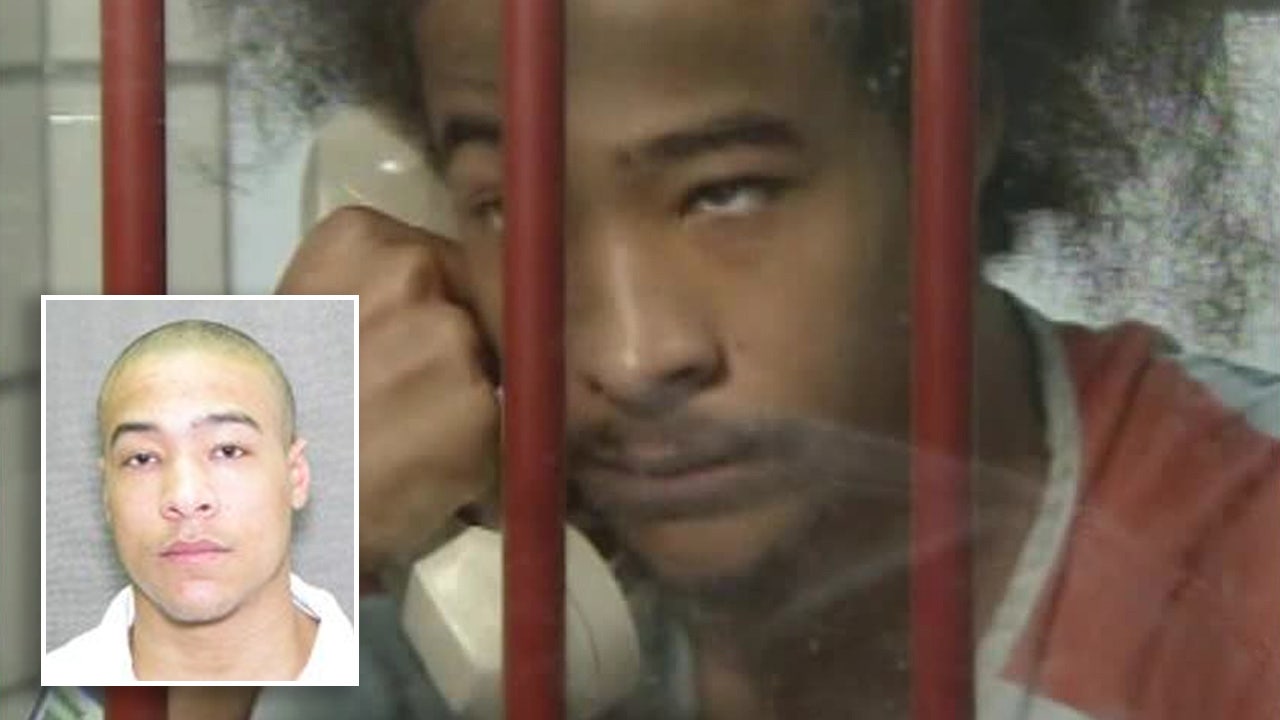
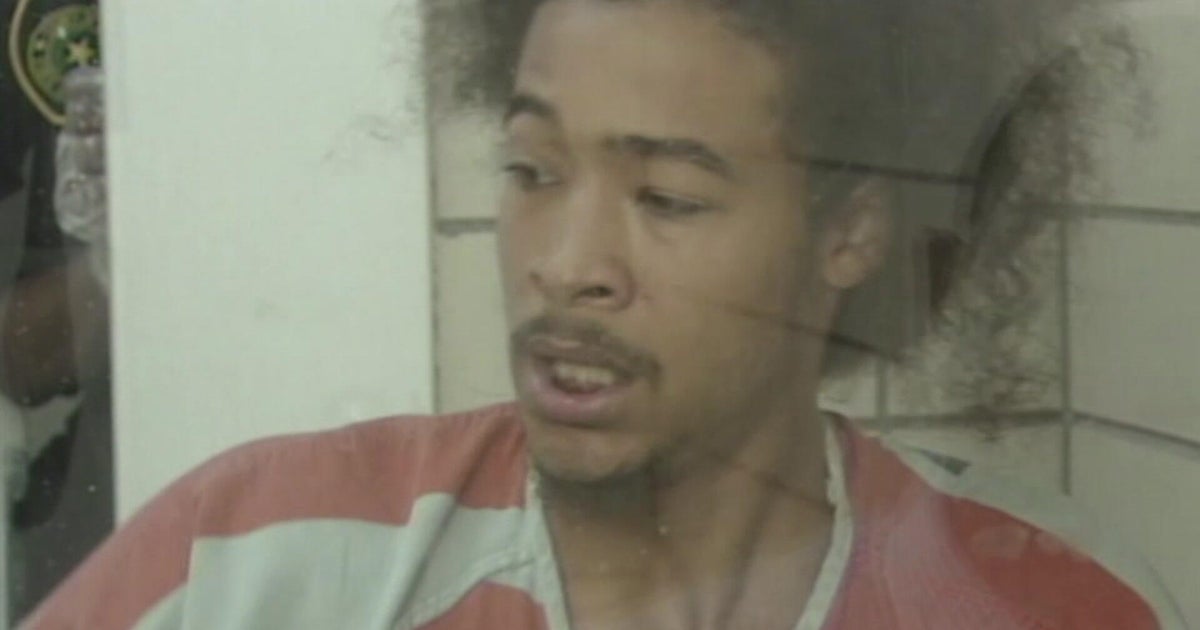
 James Garfield Broadnax spent the final days of his life inside Texas’ death row system facing a reality that had been more than sixteen years in the making. Convicted of the 2008 murders of Christian music producers Stephen Swan and Matthew Butler during a robbery outside a Garland recording studio, Broadnax was scheduled to be executed by lethal injection on April 30, 2026, after years of appeals failed to overturn his conviction or death sentence.
Broadnax was convicted by a Dallas County jury in 2009 for the fatal shootings of Swan and Butler. Prosecutors argued that Broadnax and his cousin, Demarius Cummings, carried out the robbery and murders together. Cummings received a sentence of life without parole, while Broadnax was sentenced to death. Over the years, Broadnax pursued numerous appeals challenging various aspects of the case, including evidence presented during trial and the fairness of jury selection.
The case returned to national attention in early 2026 when Cummings submitted a sworn affidavit claiming that he—not Broadnax—had fired the fatal shots. According to the statement, Cummings alleged that he had convinced Broadnax to take responsibility for the shootings years earlier. Broadnax’s legal team argued that the confession raised serious doubts about the original conviction and justified a new review of the case. However, the Texas Court of Criminal Appeals declined to halt the execution, concluding that the new confession did not warrant intervention at that stage of the proceedings.
 Another major issue raised during Broadnax’s final appeals involved the prosecution’s use of his handwritten rap lyrics during the sentencing phase of his trial. Defense attorneys and civil rights advocates argued that the lyrics were used to portray Broadnax as inherently dangerous and that such evidence reflected racial bias. The controversy attracted attention from prominent figures in the music industry and criminal justice reform advocates, who argued that artistic expression should not be treated as proof of future criminal behavior. Despite the attention, courts declined to overturn the sentence on those grounds.
As April 30 approached, Broadnax’s attorneys sought relief from multiple courts and requested intervention from Texas Governor Greg Abbott. They also raised concerns regarding jury selection, alleging that Black jurors had been improperly excluded during the trial process. Each effort ultimately failed. By the morning of the scheduled execution, only a handful of legal options remained, and those too were rejected.
Broadnax maintained his innocence regarding being the shooter until the end. According to reports following the execution, he used his final statement to ask for forgiveness from the victims’ families while also insisting that Texas had gotten the case wrong. He was executed by lethal injection at the state penitentiary in Huntsville on April 30, 2026, at age 37. His death ended a case that had generated intense legal debate over confessions, racial bias, artistic expression, and the reliability of death penalty convictions.
 The execution remains one of the most discussed death penalty cases of 2026, not only because of the murders themselves, but because of the unresolved questions raised by a co-defendant’s late confession, the use of rap lyrics in court, and the continuing national debate over capital punishment in the United States.