The Ethiopian Orthodox Tewahedo Church preserves one of the largest biblical canons in Christianity, containing 81 books written in the ancient liturgical language Ge’ez that include texts not found in most Western Bibles, such as 1 Enoch, Jubilees, and other writings preserved in monasteries for centuries.
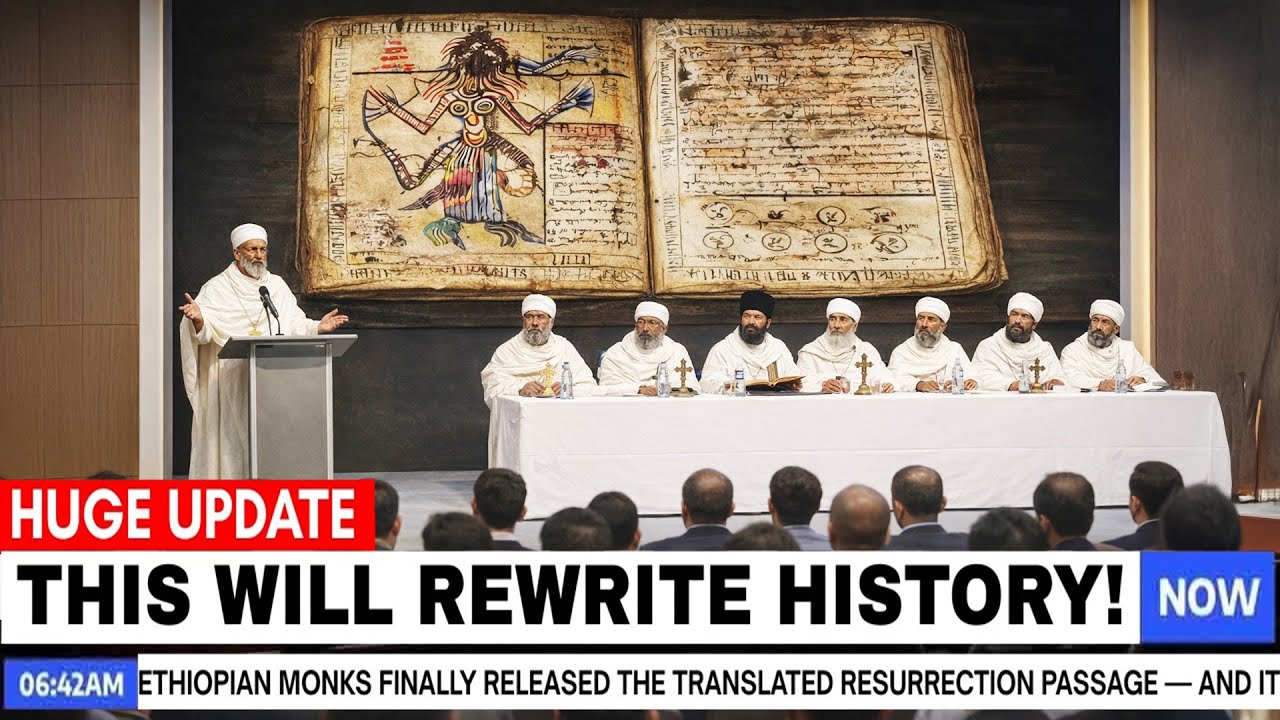
Recent translations of portions of these manuscripts have been highlighted in popular media as “new” or “hidden” resurrection passages. In reality, what scholars describe are early Christian and apocryphal texts that reflect how Ethiopian Christianity historically preserved and transmitted traditions about Jesus, faith, and resurrection in ways that differ in emphasis and style from the Western canon.
Unlike the four New Testament Gospels shared by most Christian traditions, some Ethiopian texts emphasize spiritual, theological, and experiential dimensions of resurrection rather than focusing solely on physical appearances or later doctrinal formulations. For example, the surviving Ethiopian material suggests a view of resurrection including ongoing spiritual renewal and divine presence rather than exclusively chronological post‑resurrection events.
It’s important to note that there is no independently verified manuscript yet published in academic editions that shows previously unknown direct quotes of Jesus after the resurrection that contradict the canonical Gospels. Reports about “shocking” or “disturbing” revelations are based on journalistic summaries of translations that have not undergone peer‑reviewed publication or scholarly authentication.
The broader Ethiopian canon developed in relative isolation, preserving traditions from early Christianity that were lost or excluded in other regions due to different historical and ecclesiastical processes. These texts help scholars appreciate the diversity of early Christian thought and practice, especially in African contexts where Christianity developed alongside Judeo‑Christian traditions and unique monastic cultures.
Ultimately, the newly translated Ethiopian resurrection passages are significant for understanding how early believers expressed and expanded on the themes of resurrection, divine presence, and spiritual transformation. They enrich the historical picture of how resurrection was interpreted and lived in ancient African Christianity, but they do not overturn or replace the core resurrection narrative found in the universally recognized New Testament