Bryan Kohberger may have escaped the death penalty, but the reality of his future is one that guarantees he will never walk free again.
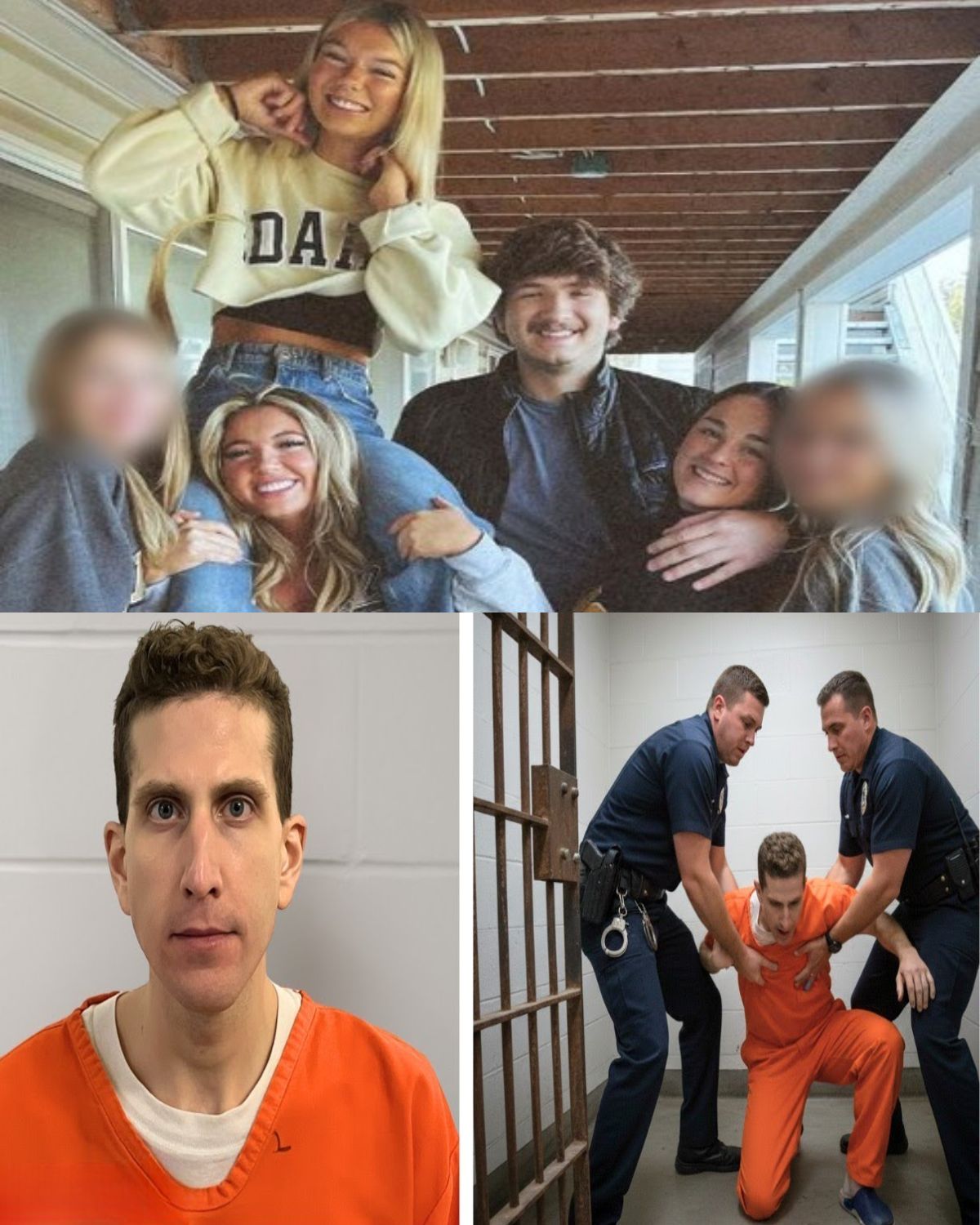
The former criminology Ph.D. student, who admitted to murdering four University of Idaho students in 2022, was sentenced in July 2025 to four consecutive life sentences without the possibility of parole, along with an additional 10-year sentence for burglary. The plea agreement that spared him from execution also ensured that he will spend the remainder of his life behind bars.
For many observers, the sentence marked the end of one of the most shocking criminal cases in recent American history. But for Kohberger, it marked the beginning of a prison reality from which there is virtually no escape.
The Case That Captivated the Nation
On November 13, 2022, University of Idaho students Kaylee Goncalves, Madison Mogen, Xana Kernodle, and Ethan Chapin were brutally stabbed to death inside an off-campus rental home in Moscow, Idaho. The murders stunned the nation and triggered a massive investigation that lasted weeks before authorities identified Kohberger as the primary suspect.
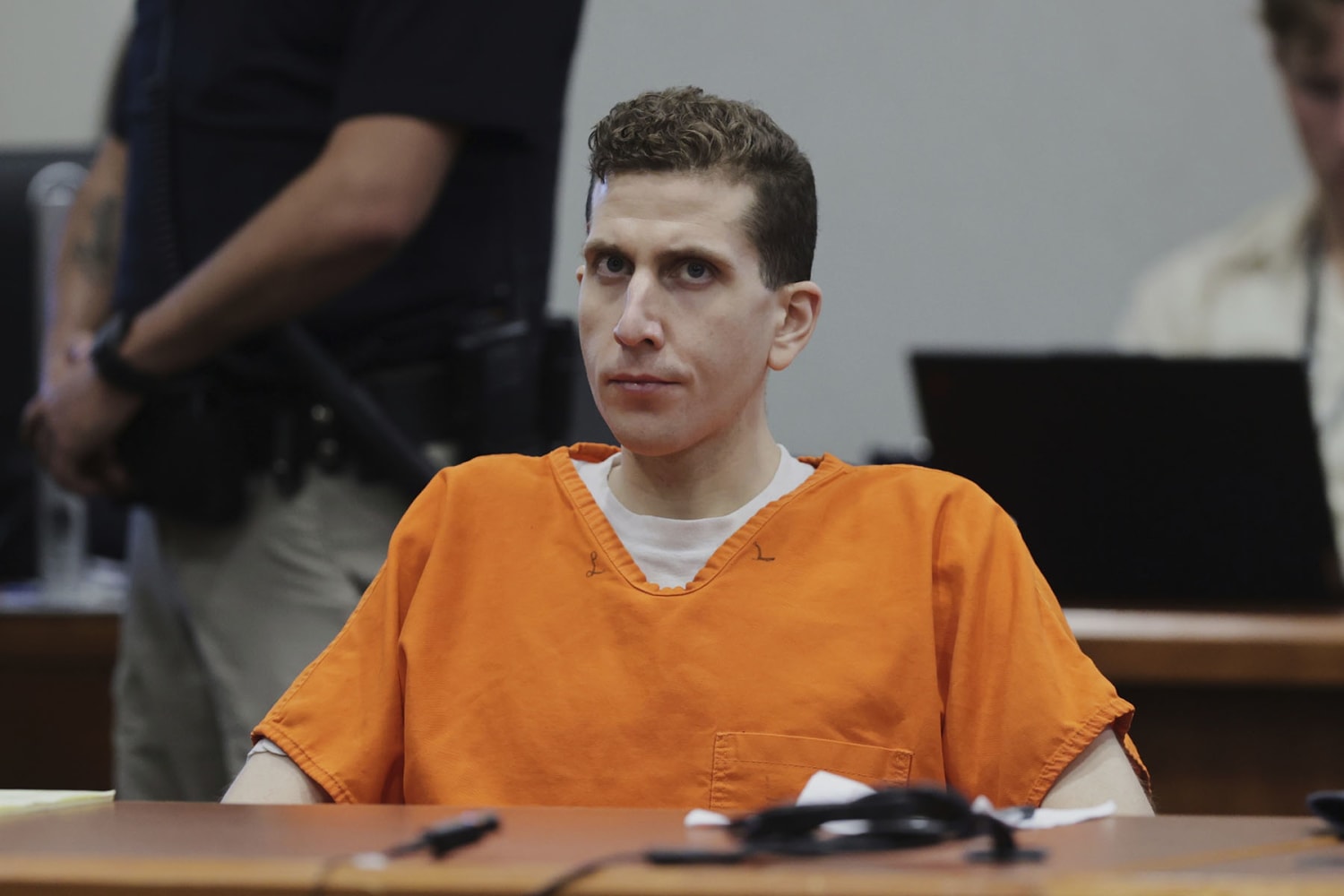
Investigators ultimately linked him to the crime through DNA evidence found on a knife sheath, surveillance footage, cellphone data, and other forensic evidence. After initially maintaining his innocence, Kohberger accepted a plea deal in July 2025, formally admitting guilt to all charges.
The agreement removed the possibility of a death sentence but came at a steep cost: four consecutive life terms without parole and a waiver of most future appeal rights.
A Sentence With No End Date
Unlike many inmates serving lengthy prison terms, Kohberger has no parole eligibility and no scheduled release date.

Judge Steven Hippler ordered him to serve four separate life sentences consecutively, ensuring that he will remain incarcerated for the rest of his natural life. Prosecutors described the sentence as permanent accountability for the murders that devastated four families and traumatized an entire community.
Legal analysts note that because the plea agreement included significant waivers, Kohberger’s options for challenging his conviction are extremely limited. Barring an extraordinary legal development, his future is expected to unfold entirely within the prison system.
Life Inside Prison
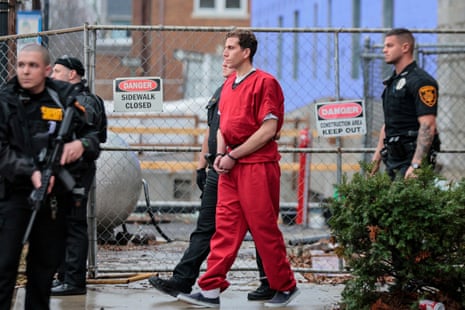
Following sentencing, Kohberger was transferred into the custody of the Idaho Department of Correction, where he began serving his sentence as one of the nation’s most notorious convicted killers.
As a high-profile inmate, prison experts suggest he is likely to face heightened security measures and close monitoring. Inmates convicted of widely publicized murders often experience restricted movement, limited interactions, and constant supervision designed to protect both staff and prisoners. While specific housing arrangements are not always publicly disclosed, such offenders frequently spend much of their incarceration under strict security conditions.
Unlike the years of courtroom proceedings that kept his name in headlines, prison life is expected to be defined by routine, confinement, and the certainty that freedom is no longer part of the equation.
No Death Penalty, But No Freedom
The plea deal that removed the threat of execution also guaranteed a punishment that many view as equally final in practical terms.
Kohberger will never be eligible for parole. He will never return to society. He will never have an opportunity to rebuild a life outside prison walls. The sentence ensures that every year ahead will be spent in custody, with no legal pathway to release currently available.
For the families of the victims, the sentence brought a measure of closure after nearly three years of legal proceedings. For Kohberger, it established a reality that will define the rest of his life: a prison cell, permanent confinement, and no chance of freedom.