On November 19, 2018, Christopher Watts was sentenced to multiple life terms without the possibility of parole after pleading guilty to the murders of his pregnant wife, Shanann Watts, and their daughters, Bella and Celeste Watts. The sentencing hearing in Weld County, Colorado, marked the conclusion of one of the most widely followed criminal cases in recent American history, bringing legal accountability for crimes that shocked the nation in August 2018.
Watts had entered guilty pleas earlier that month as part of an agreement that removed the possibility of a death penalty trial. In exchange, prosecutors secured convictions for the murders of Shanann, Bella, and Celeste, as well as charges related to the death of Shanann’s unborn son, Nico, and the unlawful disposal of the victims’ bodies. Judge Marcelo Kopcow ultimately sentenced Watts to multiple life sentences without parole, ensuring he would spend the remainder of his life in prison.
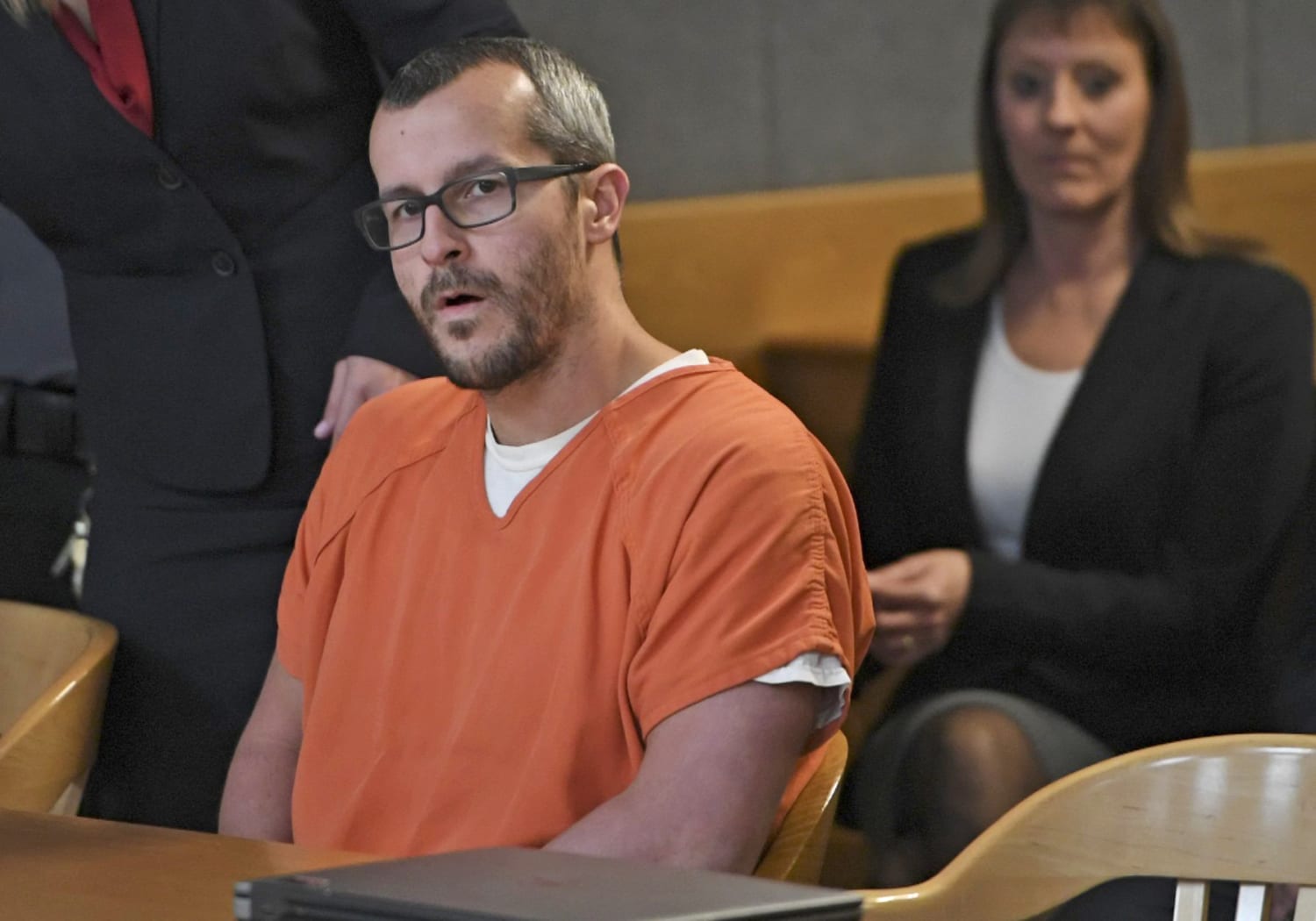 During the hearing, members of Shanann Watts’ family delivered emotional victim impact statements describing the devastating loss of a daughter, mother, sister, and friend. They spoke about the lives that had been taken and the permanent impact the murders would have on future generations of their family. Prosecutors also reviewed details of the investigation that revealed how Watts killed his family before transporting their bodies to an Anadarko Petroleum work site, where Shanann was buried and Bella and Celeste were concealed inside separate oil storage tanks.
Watts addressed the court before sentencing, apologizing to both families and acknowledging responsibility for the murders. However, the hearing was not focused on explanations or legal arguments. Instead, it served as a moment when those most affected by the tragedy confronted the reality that the criminal proceedings were ending while the consequences would continue indefinitely.
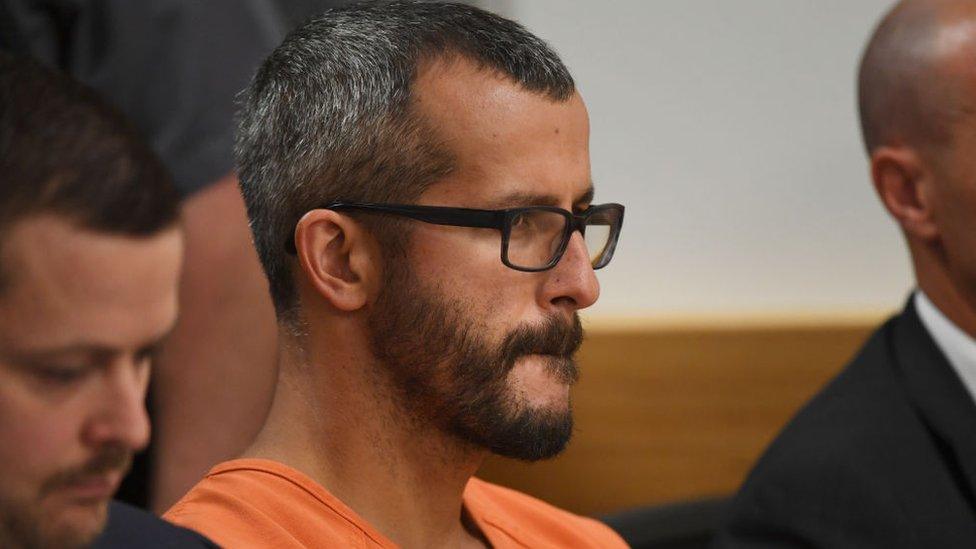 When the hearing concluded, Watts was led from the courtroom to begin serving his sentence. For Shanann Watts’ family, the day represented justice under the law but not the restoration of what had been lost. For Watts’ own relatives, it marked the beginning of a future in which their son would never again live outside prison walls. More than six years later, the case remains one of the most discussed family homicide cases in the United States because of the profound loss suffered by both families and the lasting questions surrounding one of the nation’s most shocking crimes.