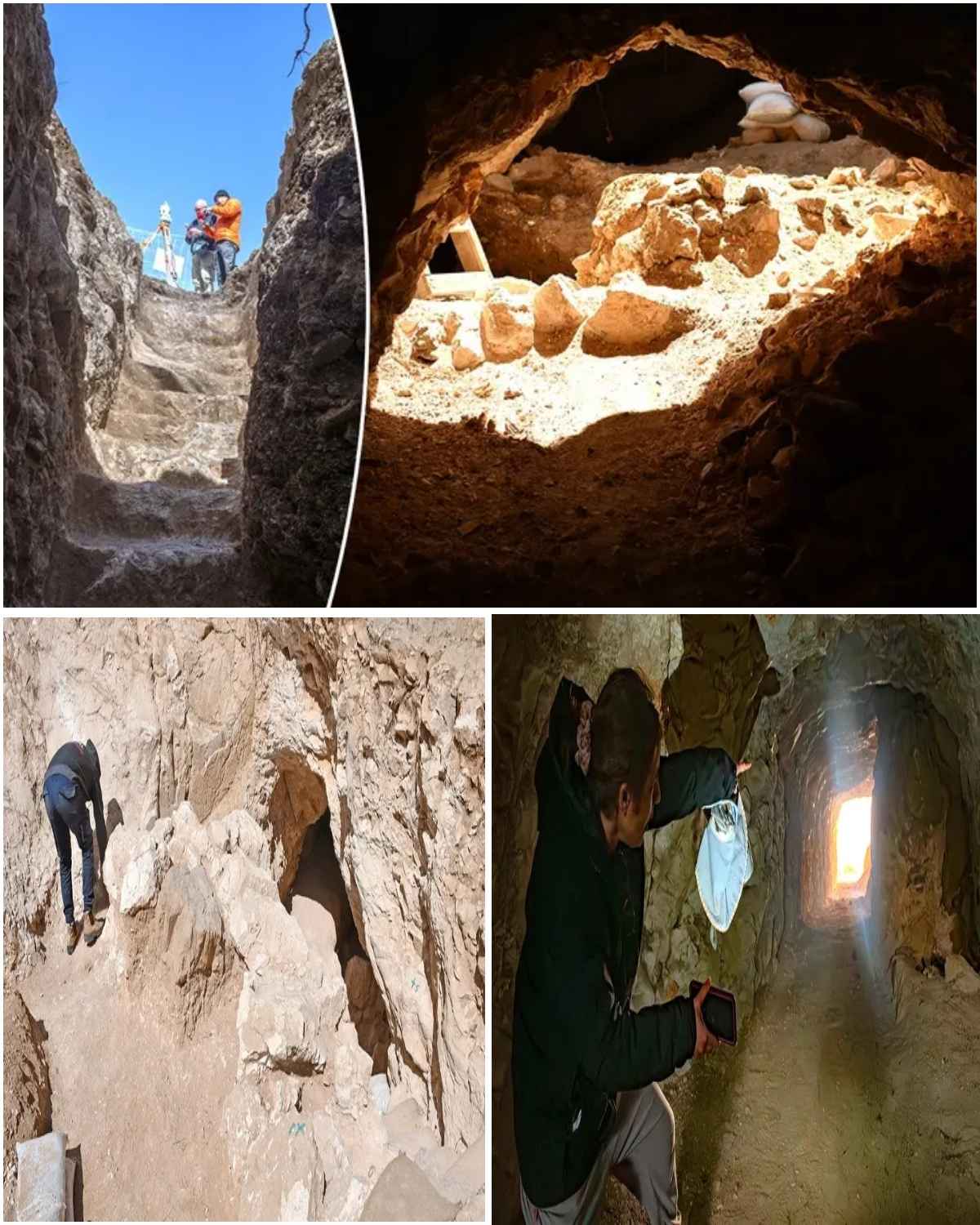
Archaeologists working on the outskirts of Jerusalem have uncovered a massive ancient tunnel unlike anything they expected to find, and even experts admit they are still struggling to explain exactly why it was built.
The remarkable discovery emerged during excavations conducted ahead of the construction of a new residential neighborhood near Kibbutz Ramat Rachel, a site already famous for its connections to the biblical-era Kingdom of Judah. What began as a routine archaeological survey quickly transformed into a mystery that has left researchers both fascinated and perplexed.
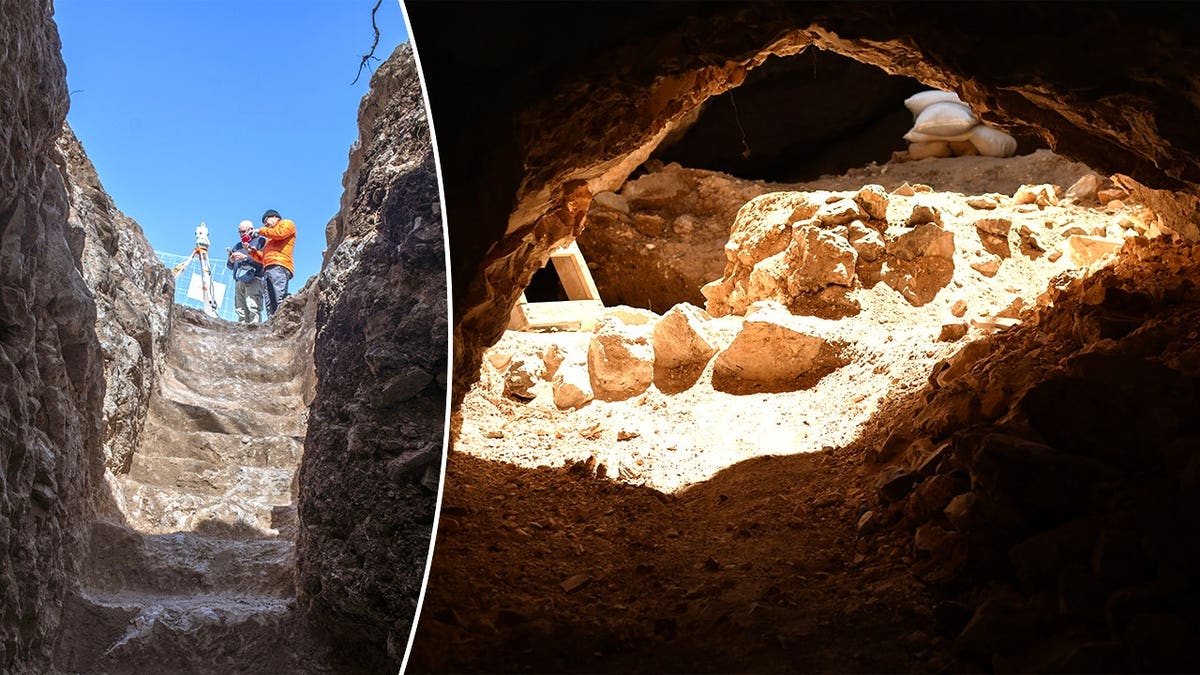
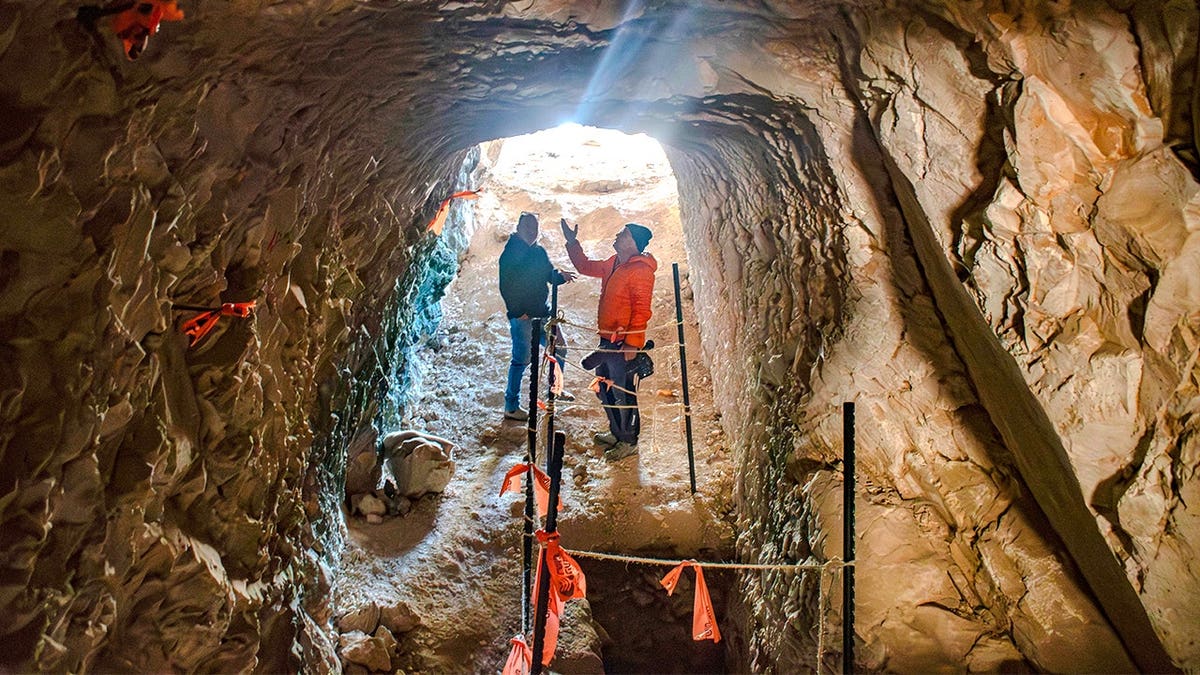
According to the Israel Antiquities Authority (IAA), the newly discovered rock-hewn tunnel stretches approximately 164 feet in length. Standing about 16 feet high and nearly 10 feet wide, the structure demonstrates an extraordinary level of planning and engineering. Archaeologists emphasized that the excavation work required to carve such a passage through solid rock would have demanded significant manpower, resources, and technical expertise.
What makes the discovery especially intriguing is the precision with which the tunnel was created.
“The rock-cutting was executed meticulously,” researchers noted, highlighting the tremendous effort invested in the project. Whoever designed and constructed the tunnel clearly possessed both the organizational capacity and the technological knowledge necessary to undertake such an ambitious endeavor.
Yet despite its impressive scale, its purpose remains a mystery.
Excavation directors Sivan Mizrahi and Zinovi Matskevich explained that the discovery came as a complete surprise. While excavating what appeared to be relatively exposed and rocky terrain, archaeologists encountered what initially seemed to be a natural karstic cavity. As excavation continued, however, the cavity extended deeper and deeper until it became clear they had uncovered a large artificial tunnel.
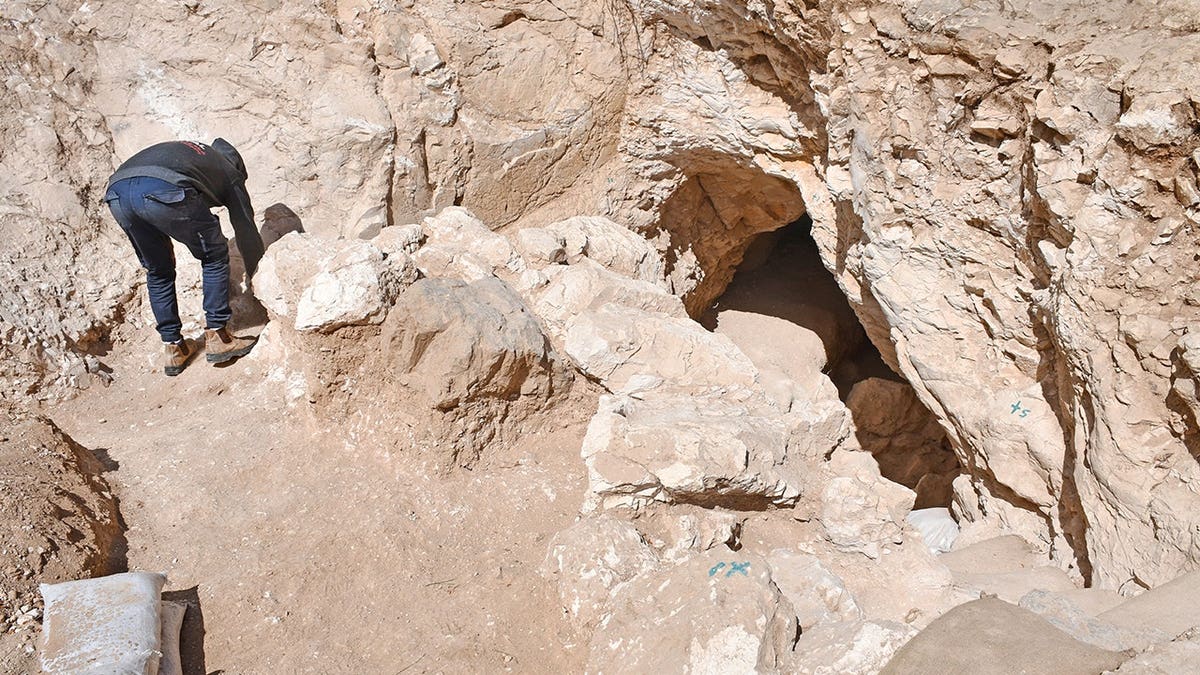
The researchers admitted that even now, the structure has not revealed all of its secrets.
Several sections remain collapsed, preventing archaeologists from fully exploring its entire length. Hidden chambers, additional passages, or other features may still lie beyond the currently accessible sections.
“Usually we have explanations for the discoveries we uncover,” the excavation directors explained. “But sometimes, as in this case, we stand astonished and amazed.”
The location of the tunnel only adds to the intrigue.
It lies just a short distance from some of Jerusalem’s most important archaeological sites. Nearby excavations have uncovered administrative buildings, seal impressions, and other evidence associated with the Kingdom of Judah during the Iron Age, the period traditionally linked to the First Temple and many biblical narratives.
In 2020, archaeologists working near Ramat Rachel discovered remains indicating significant governmental activity in the area, reinforcing its importance during the Judahite kingdom.
However, despite its proximity to these historically significant sites, no direct evidence currently connects the newly discovered tunnel to the Kingdom of Judah or to the biblical period itself.
At present, researchers do not know when the tunnel was built.
This uncertainty is one of the biggest challenges facing the investigation. Without datable artifacts, inscriptions, or organic material, archaeologists cannot confidently place the tunnel within a specific historical period.
As a result, several competing theories have emerged.
One leading possibility is that the tunnel was intended for quarrying operations. Researchers suggest it may have been excavated to reach a layer of chalk that could be used either for extracting building stone or for producing lime, a material widely used in ancient construction.
Supporting this theory is the discovery of quarrying debris scattered across the tunnel floor. Archaeologists also identified a vertical shaft cut into the ceiling, which may have served as a ventilation system for workers operating underground.
Even so, the evidence remains inconclusive.
Experts stress that while the quarry hypothesis is plausible, it does not fully explain all aspects of the structure. Other possibilities remain under consideration, and the tunnel’s true purpose may ultimately prove more complex than a simple mining operation.
One explanation that researchers have largely ruled out is that the tunnel served as part of an ancient water system. Jerusalem and its surrounding settlements contain numerous historic water tunnels and channels, but the characteristics of this newly discovered passage do not match known hydraulic engineering techniques from the region.
Another intriguing possibility is that the project was never completed.
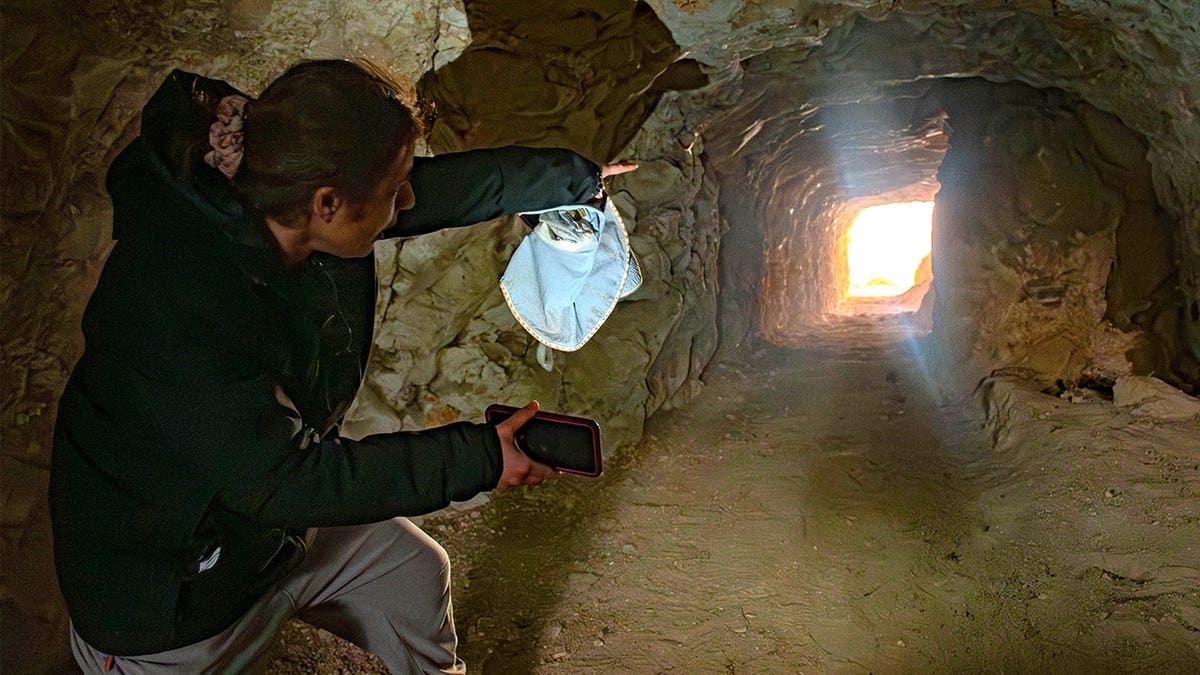
Archaeologists suggest the tunnel may represent an abandoned construction effort, halted before its intended function could be realized. If work ceased unexpectedly, the structure may have been left unfinished, leaving no clear evidence of its final purpose.
In that scenario, the tunnel’s greatest secret may be that it never fulfilled the role for which it was originally designed.
For now, the discovery joins a long list of remarkable archaeological finds emerging from beneath Jerusalem’s landscape. Few cities on Earth possess such a dense concentration of human history layered one civilization atop another. Every construction project has the potential to uncover evidence from thousands of years of occupation.
As Jerusalem district archaeologist Amit Re’em observed, the city continues to surprise even the experts who study it every day.
“Archaeologists and researchers of the Israel Antiquities Authority are constantly at work because this city never ceases to surprise,” he said.
And this latest discovery may be one of the most puzzling examples yet.
Hidden beneath the hills near one of the most historically significant regions associated with ancient Judah, the enormous tunnel stands as a silent reminder that many chapters of Jerusalem’s past remain unwritten. Until further excavation reveals additional clues, its builders, its purpose, and even its age remain among the city’s newest archaeological mysteries.
,type=downsize)