Benjamin Donnie Ritchie, 45, was executed by lethal injection at the Indiana State Prison in Michigan City on May 20, 2025, bringing to an end a more than two‑decade legal process following his conviction for the fatal shooting of Beech Grove Police Officer William “Bill” Toney. Ritchie, who had been on death row since his 2002 conviction, was pronounced dead at 12:46 a.m., marking Indiana’s second execution in 15 years after the state resumed capital punishment.
Ritchie’s crime occurred on September 29, 2000, when he and accomplices stole a van in Beech Grove and, during a subsequent foot pursuit, Ritchie fired at Officer Toney, killing him. The officer, a 31‑year‑old married father of two, was the first Beech Grove police officer killed in the line of duty.
Over the years, Ritchie’s case drew attention not only for the severity of the crime but for his difficult personal history and cognitive challenges. His defense raised issues related to bipolar disorder, developmental impairments, and the effects of childhood trauma, arguing these should have influenced sentencing. Appeals reached state and federal courts, but ultimately all legal avenues to halt the execution were exhausted, including a final denial from the U.S. Supreme Court.
In his final hours, Ritchie was permitted a special last meal from Olive Garden — a “Tour of Italy” featuring dishes like fettuccine alfredo, lasagna, and chicken parmigiana — a tradition recognizing final requests before execution.
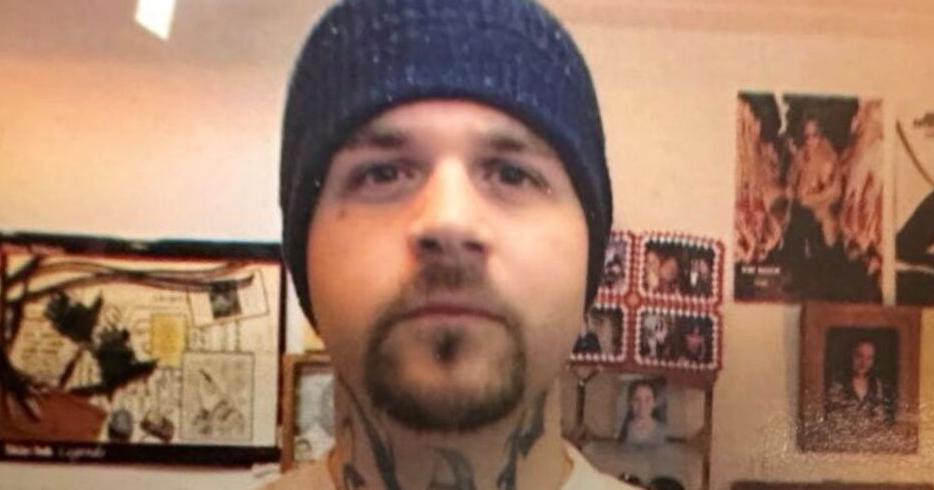
According to the Indiana Department of Corrections, Ritchie’s last words focused on family and friends: “I love my family, my friends, and all the support I’ve gotten. I hope they all find peace.” Those comments were released in an official statement following the execution.
Under Indiana law, death row inmates may have up to five witnesses present; Ritchie’s included his attorney and spiritual advisor. No media were allowed inside the execution chamber, as the state restricts direct press access, although reporters observed from designated areas outside.
Ritchie’s execution highlights ongoing debates over capital punishment, mental health considerations in sentencing, and the role of long‑running appeals in high‑profile cases involving the killing of law enforcement officers. His death closed a chapter that began with a violent confrontation and ended with decades of legal scrutiny and public discussion about justice and accountability.


