The Shroud of Turin is a linen cloth bearing the faint image of a man that some traditions associate with the burial of Jesus Christ. It has been the subject of intense scientific investigation across multiple disciplines — from textile science and radiocarbon dating to biology, imaging, and DNA analysis — making it one of the most studied historical artifacts in the world.
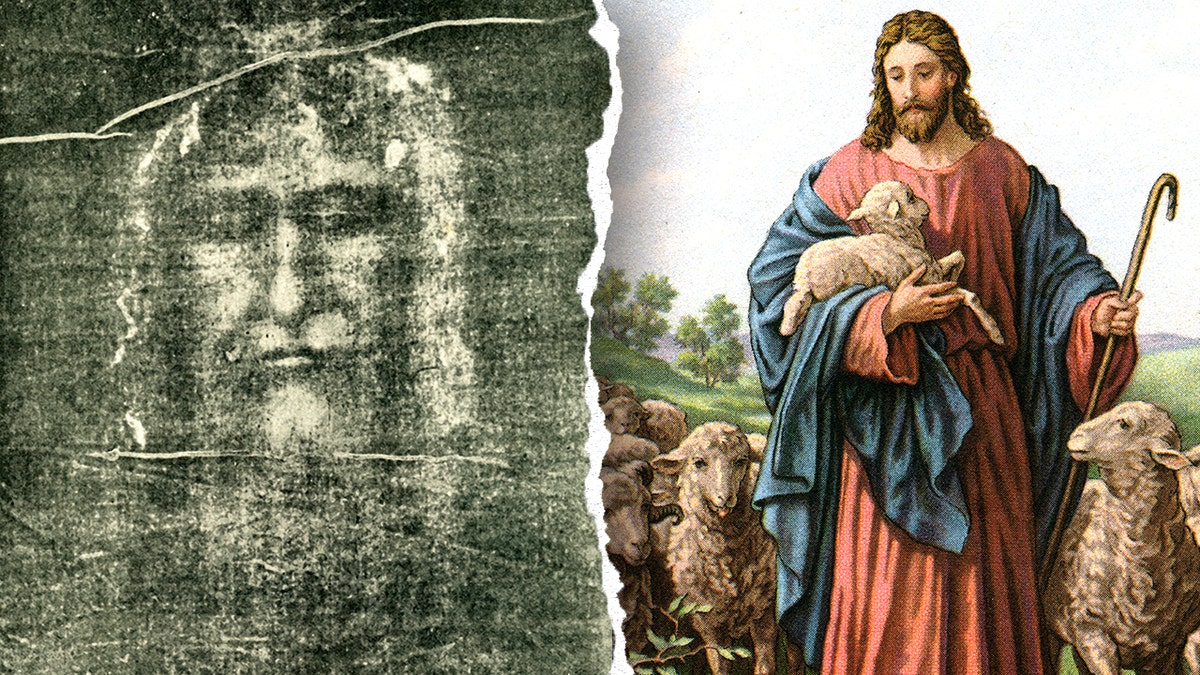
Early scientific attention began with photographs in 1898, which revealed the image more clearly and spurred decades of inquiry. In the late 1970s, the Shroud of Turin Research Project (STURP) brought together scientists from chemistry, physics, and forensic fields to analyze the cloth, confirming that the image is not composed of ordinary paint or pigments and documenting features consistent with bloodstains and body marks.
One of the most widely discussed scientific tests was radiocarbon dating performed in 1988, which placed the linen’s origin between 1260 and 1390 CE, a medieval period long after the time of Jesus. While some researchers have raised technical questions about those results, the dating remains the most reliable scientific estimate to date and aligns with the earliest documented appearance of the Shroud in historical records.
Recent studies have added new dimensions to the investigation. A DNA analysis of material sampled from the cloth revealed a mixture of human, plant, animal, and microbial genetic material on the fibers, reflecting centuries of handling and environmental exposure rather than a single ancient source. This genetic diversity underlines how difficult it is to trace original DNA directly to any individual.

Other scientific work continues to explore the nature of the image itself. Some high‑resolution photographic and imaging studies have suggested that the body image could be consistent with contact on a low‑relief surface rather than direct draping over a human body — a finding that may point toward artistic or workshop processes rather than an unexplained supernatural event.
Across all investigations, a key conclusion is that no scientific analysis supports the claim that the Shroud is “not from this planet” or evidence of extraterrestrial phenomena. Instead, research highlights the artifact’s complex history, contamination from centuries of contact, and unresolved questions about how the image formed, which continue to fuel scholarly debate rather than confirm dramatic, unscientific claims.
In summary, the Shroud of Turin remains a remarkable historical object that bridges science, religion, and art. Its study illustrates how modern methods can deepen our understanding of ancient artifacts, showing that evidence is best interpreted through careful, multidisciplinary research rather than sensationalized claims about otherworldly origins.