On May 13, 2026, Kouri Richins entered a Park City courtroom with a flicker of hope, believing she might still return to her family. Just an hour later, a judge dashed those hopes, sentencing her to life in prison without the possibility of parole, marking a devastating chapter in a tragic saga.
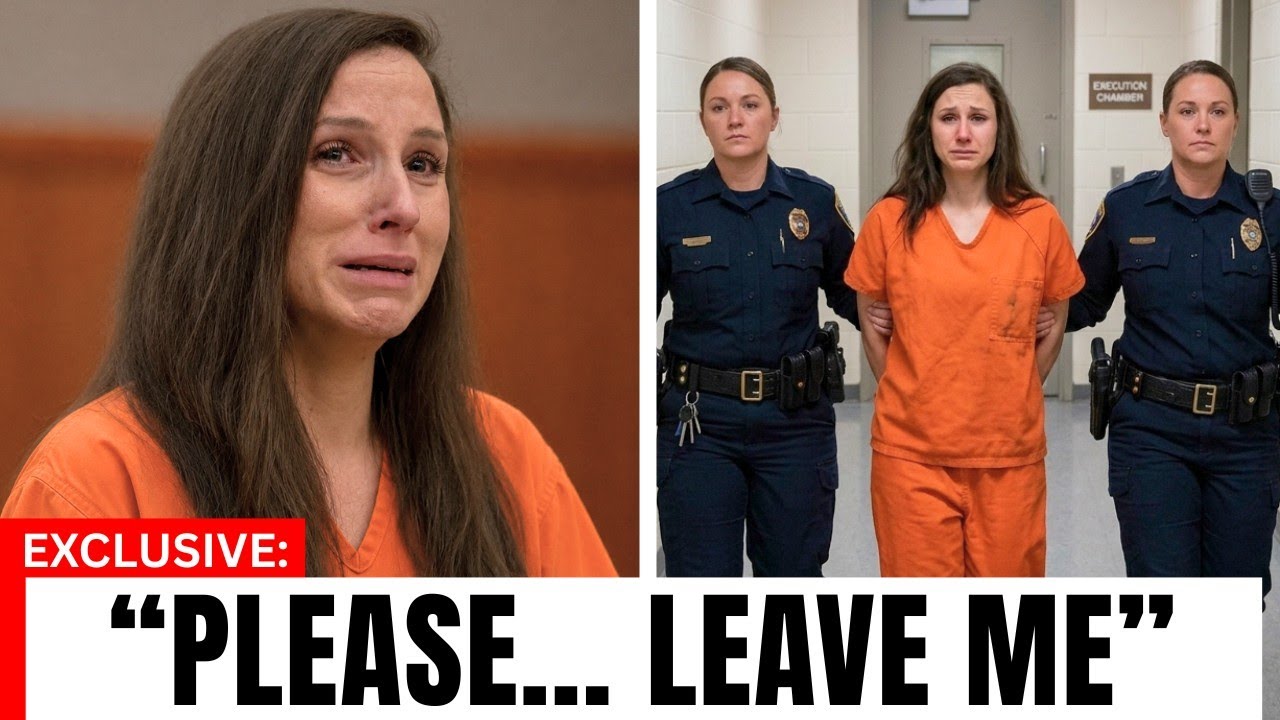 That fateful day was particularly poignant; it was Eric Richins’ birthday, a reminder of the life lost. While Eric would have celebrated turning 44, his family gathered to implore the court to ensure that Kouri, convicted of his murder, would never walk free again. The jury had already delivered their verdict on March 16, 2026, finding Kouri guilty of aggravated murder, attempted aggravated murder, and multiple counts of fraud after just three hours of deliberation.
During the sentencing, Judge Richard Mrazik faced a critical choice: a 25-year sentence or life without parole. The emotional testimonies from Eric’s family painted a picture of a devoted father whose life was cut short by Kouri’s alleged greed and betrayal. Eric’s father, Gene, spoke of his son’s commitment to family, while his sister Katie urged the judge to protect Eric’s sons from the potential threat of their mother.
In a heart-wrenching moment, three therapists read impact statements from Eric and Kouri’s young sons, who expressed feelings of loss and resentment toward their mother. The eldest son stated he no longer missed Kouri, while the middle child articulated his fear of her release, and the youngest, who was just a preschooler when his father died, conveyed feelings of shame and anger.

Kouri was given nearly 40 minutes to address the court, primarily speaking to her sons as if they were present. She professed her love for them and urged them to emulate their father. Yet, in a striking omission, she never acknowledged her role in Eric’s death, calling the accusations against her a “lie.” As she declared, “I am coming home,” the judge delivered the final verdict: life in prison without the possibility of parole.
As her attorneys announced plans to appeal, Kouri faced a stark new reality. Transferred to the Utah State Correctional Facility, she would now navigate a world far removed from her previous life as a real estate agent. The facility, which opened in 2022, is known for its strict structure and routine, a far cry from the freedom she once enjoyed.
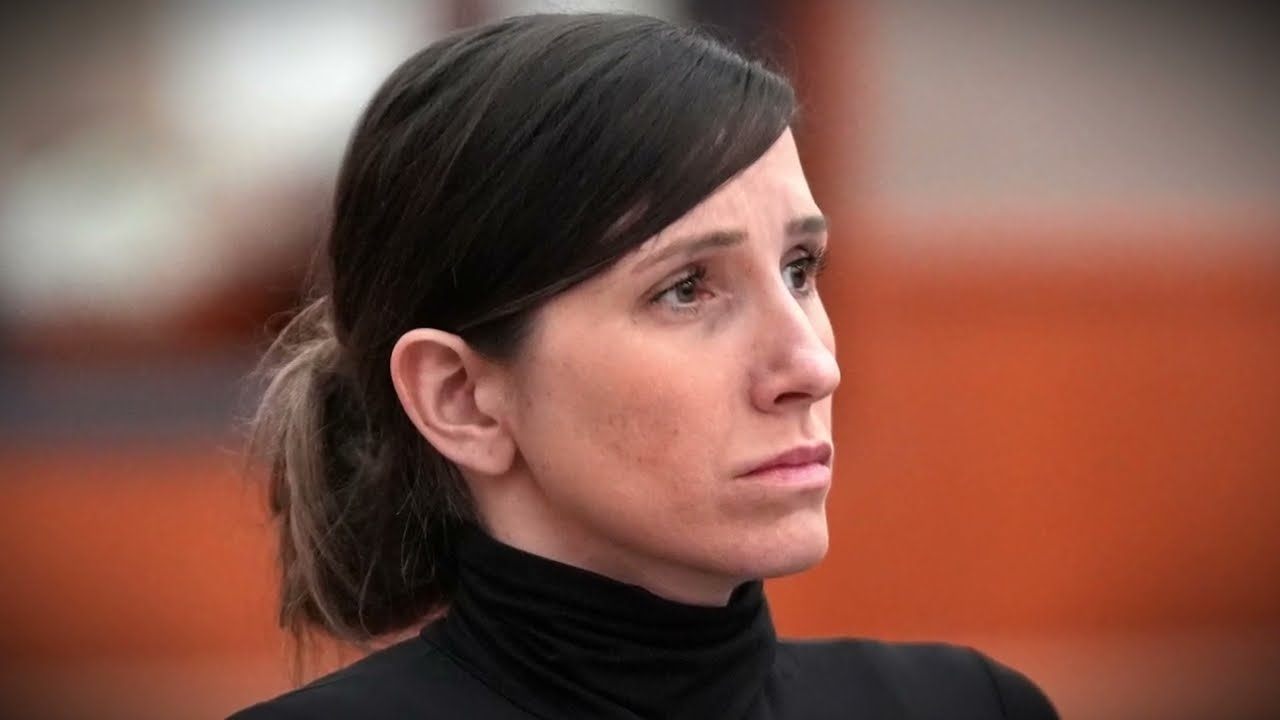
In prison, Kouri will experience life under constant surveillance and strict schedules, with limited opportunities for communication. While phone calls are allowed, they come at a cost, and she has reportedly been blocked from contacting her sons for over two years. With visitation rights limited, the chances of seeing her children remain bleak, especially given their statements about feeling safer with her incarcerated.
Kouri’s notoriety as a high-profile defendant complicates her experience. Her case, which involved 𝓈𝒽𝓸𝒸𝓀𝒾𝓃𝑔 elements like fentanyl and insurance fraud, has followed her into prison. Inmates often react differently to those convicted of crimes against family members, and Kouri’s situation may not afford her the protection she might hope for.
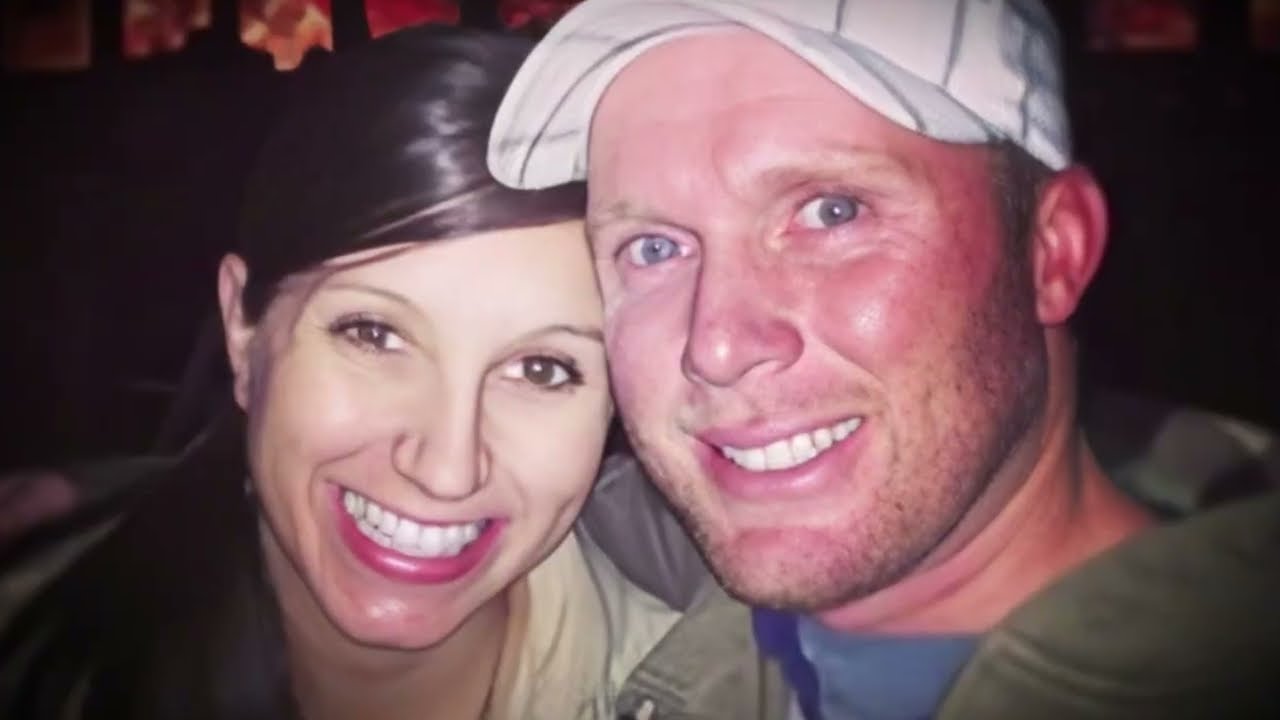
As she adjusts to life behind bars, Kouri is not simply awaiting the outcome of her appeal; she is serving her sentence from day one. The psychological toll of a life without parole can be profound, stripping away any hope for a future outside prison walls. Her defense attorney raised concerns about the harshness of such a sentence, but the judge ultimately decided based on the evidence presented.
The impact of this case extends beyond Kouri. Eric’s three sons, now being raised by his family, have lost both parents in different ways. They lost their father on March 4, 2022, and their mother on May 8, 2023, when she was arrested. Their poignant statements reflect the deep emotional scars they carry, as they navigate life without the parents they once knew.
Now classified as a convicted murderer serving life without parole, Kouri Richins finds herself in a complex and challenging environment. As her appeal process unfolds, her family maintains their belief in her innocence, while Eric’s family strives to heal and rebuild. The judge’s remarks about the boys’ future feelings linger in the air, leaving a haunting question: how will they perceive their mother’s actions and the consequences of her choices as they grow older?