 More than fifteen years after the killing of Travis Alexander, Jodi Arias remains incarcerated in Arizona, serving a sentence of life imprisonment without the possibility of parole. Her case became one of the most widely publicized murder trials of the twenty-first century, attracting national attention because of the relationship between Arias and Alexander, the extensive media coverage, and the lengthy legal proceedings that followed.
Travis Alexander was found dead in his Mesa, Arizona home in June 2008. Investigators determined that he had suffered multiple stab wounds, a gunshot wound, and severe injuries to his throat. As the investigation progressed, authorities focused on Jodi Arias, Alexander’s former girlfriend, who had initially provided conflicting accounts regarding her involvement in his death.
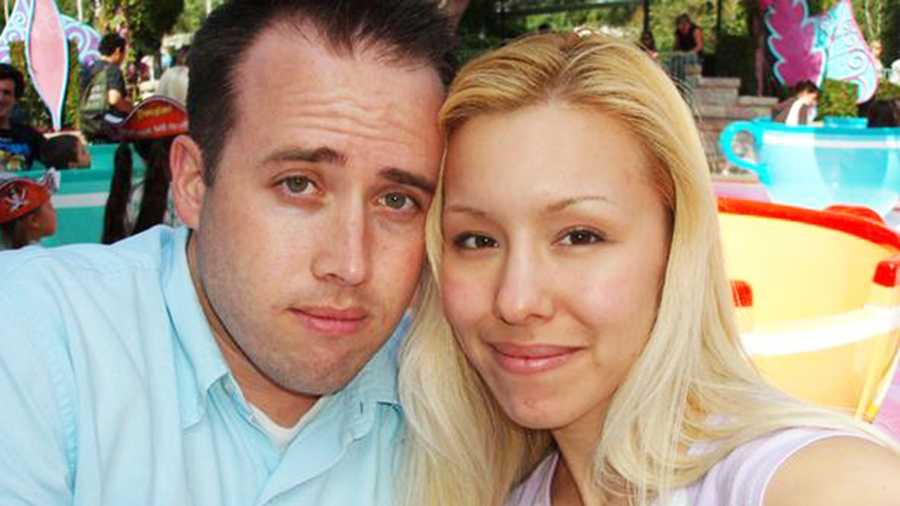 During the trial, prosecutors argued that Arias carefully planned the murder and intentionally killed Alexander. The defense maintained that she acted in self-defense during a violent confrontation. Jurors ultimately rejected the self-defense claim and found Arias guilty of first-degree murder in 2013.
Following the conviction, the case entered a lengthy sentencing phase. Multiple juries were unable to reach a unanimous decision regarding whether Arias should receive the death penalty. As a result, in 2015, Judge Sherry Stephens sentenced Arias to life imprisonment without the possibility of parole.
Since her sentencing, Arias has remained within the Arizona Department of Corrections. Publicly available information indicates that she has been housed at the Arizona State Prison Complex-Perryville, a facility that houses female inmates under varying security classifications. Like many long-term inmates serving life sentences, Arias remains subject to prison regulations, institutional procedures, and restrictions associated with incarceration.
Over the years, the case has continued to attract public interest through documentaries, books, television specials, and ongoing discussion among true crime audiences. Supporters of the verdict point to the evidence presented during trial, while others continue to debate aspects of the case and the lengthy legal proceedings that followed.
Today, Arias remains incarcerated with no possibility of parole. More than a decade after her conviction, the legal battles that once dominated headlines have largely concluded, leaving her to serve a sentence that guarantees she will spend the remainder of her life in prison for the murder of Travis Alexander.