Federal prosecutors are intensifying their case against Lil Durk, portraying his Chicago-based Only The Family (OTF) crew as akin to an African terror unit while seeking to introduce his own lyrics and videos as evidence. The controversial comparison aims to show OTF’s structure, violence, and leadership mirrors the Liberian Anti-Terrorism Unit (ATU), central to a landmark U.S. federal torture case.
Prosecutors referenced Chuckie Taylor, son of former Liberian president Charles Taylor Sr., who was sentenced to 97 years in U.S. prison after directing the ATU’s violent operations between 1999 and 2003. During Taylor’s arrest at Miami International Airport, authorities discovered rap lyrics referencing the ATU, which were subsequently used in his trial. Despite appeals, the judge deemed the lyrics highly relevant.
The government argues that OTF functioned similarly, acting as an armed enforcement wing for Lil Durk, allegedly carrying out brutal orders while enjoying protection, status, and financial support. Evidence cited includes lyrics where Durk boasts of paying rent for shooters, purchasing weapons, and placing bounties on rivals. Select lines are highlighted to show Durk orchestrated a hit on fellow rapper Quando Rondo as revenge for King Von’s murder.
 Prosecutors also point to lyrics where Durk claims he is “the type to hop on a flight with a warrant,” asserting this reflects his real-world attempt to evade law enforcement after co-defendants were arrested. These “music admissions” are a cornerstone of the government’s strategy to portray OTF as a coordinated criminal operation.
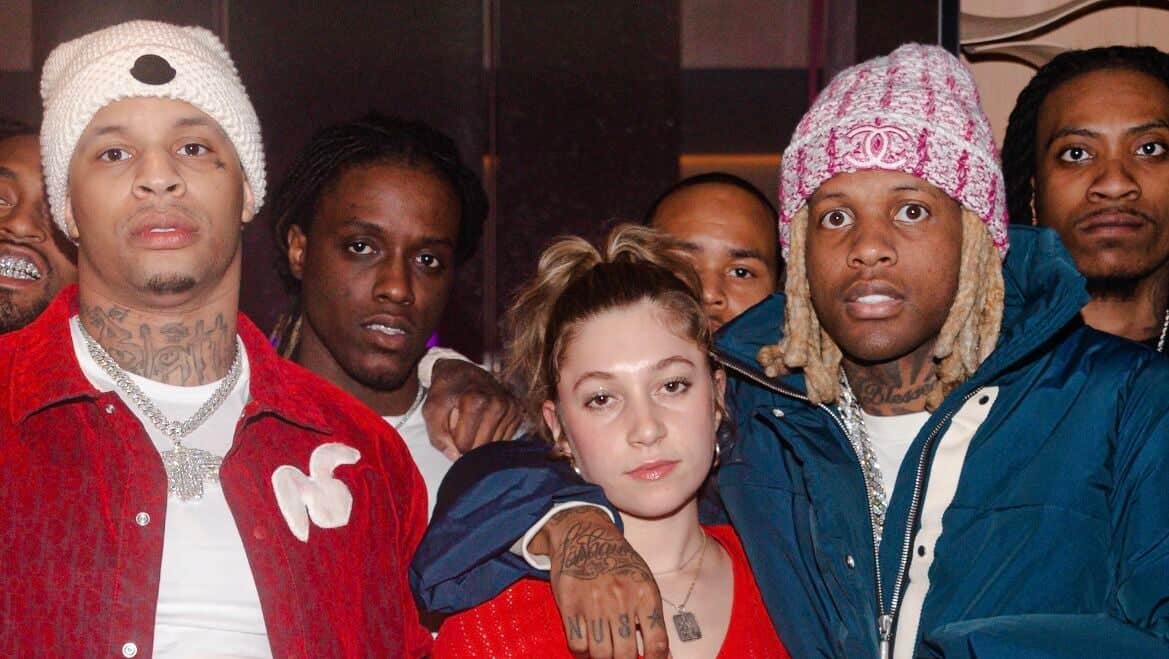 Durk, currently in custody, faces federal charges in Los Angeles including conspiracy to commit murder-for-hire resulting in death, using interstate commerce to arrange the hit, and discharging a machine gun during a violent crime. Authorities allege that OTF affiliates traveled from Chicago to California in 2022, tracked Quando Rondo, opened fire in broad daylight, and killed Saviay’a “Lul Pab” Robinson, a close associate of Rondo. Lil Durk has pleaded not guilty.
The trial, set to examine the blurred lines between artistic expression and real-world criminal activity, could set significant precedent regarding how prosecutors use rap lyrics as evidence in violent crime cases.