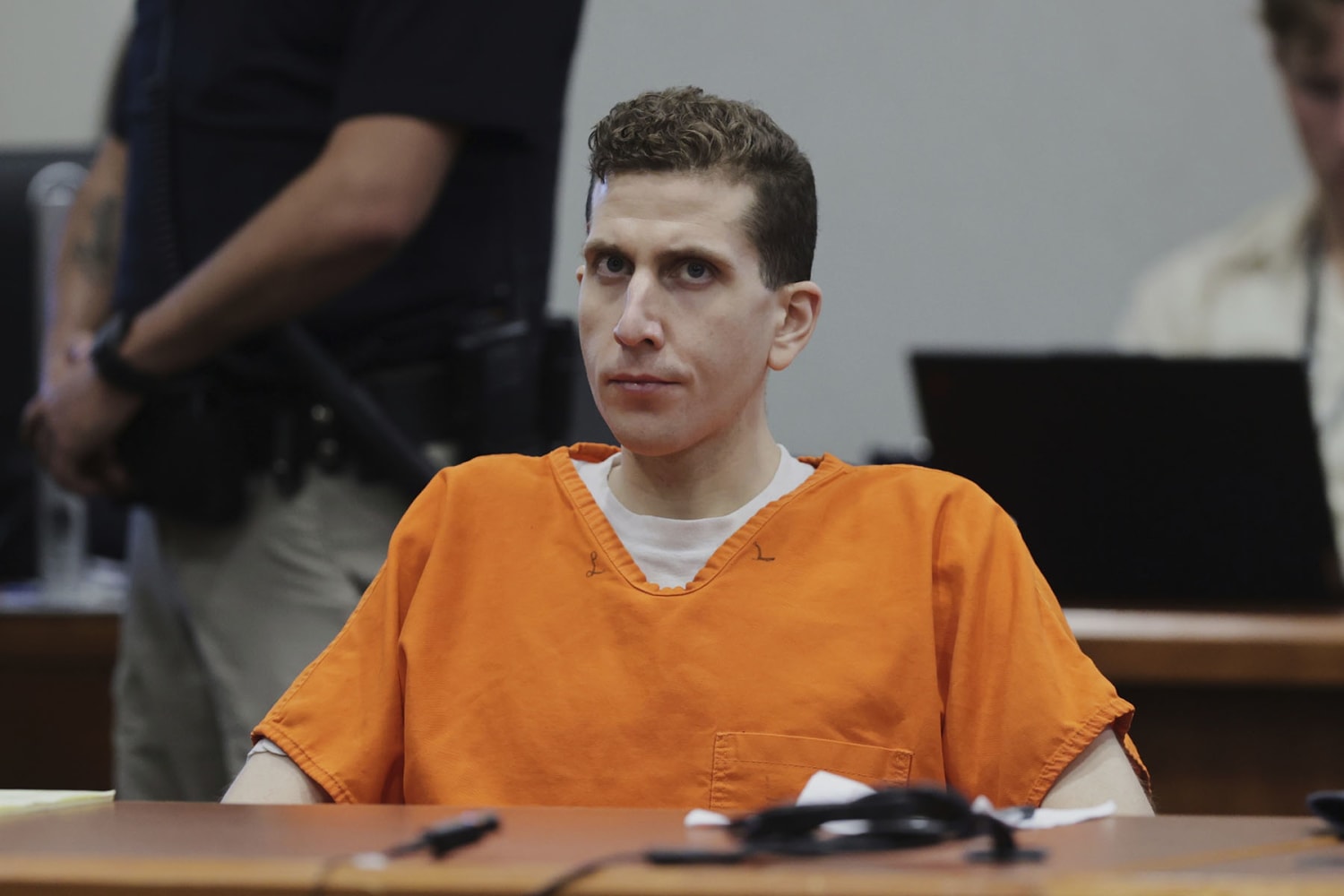
 Bryan Kohberger is serving multiple life sentences without the possibility of parole after accepting a plea agreement in the case involving the murders of four University of Idaho students. The agreement brought an end to one of the most closely followed criminal prosecutions in recent American history and ensured that Kohberger would spend the remainder of his life in prison.
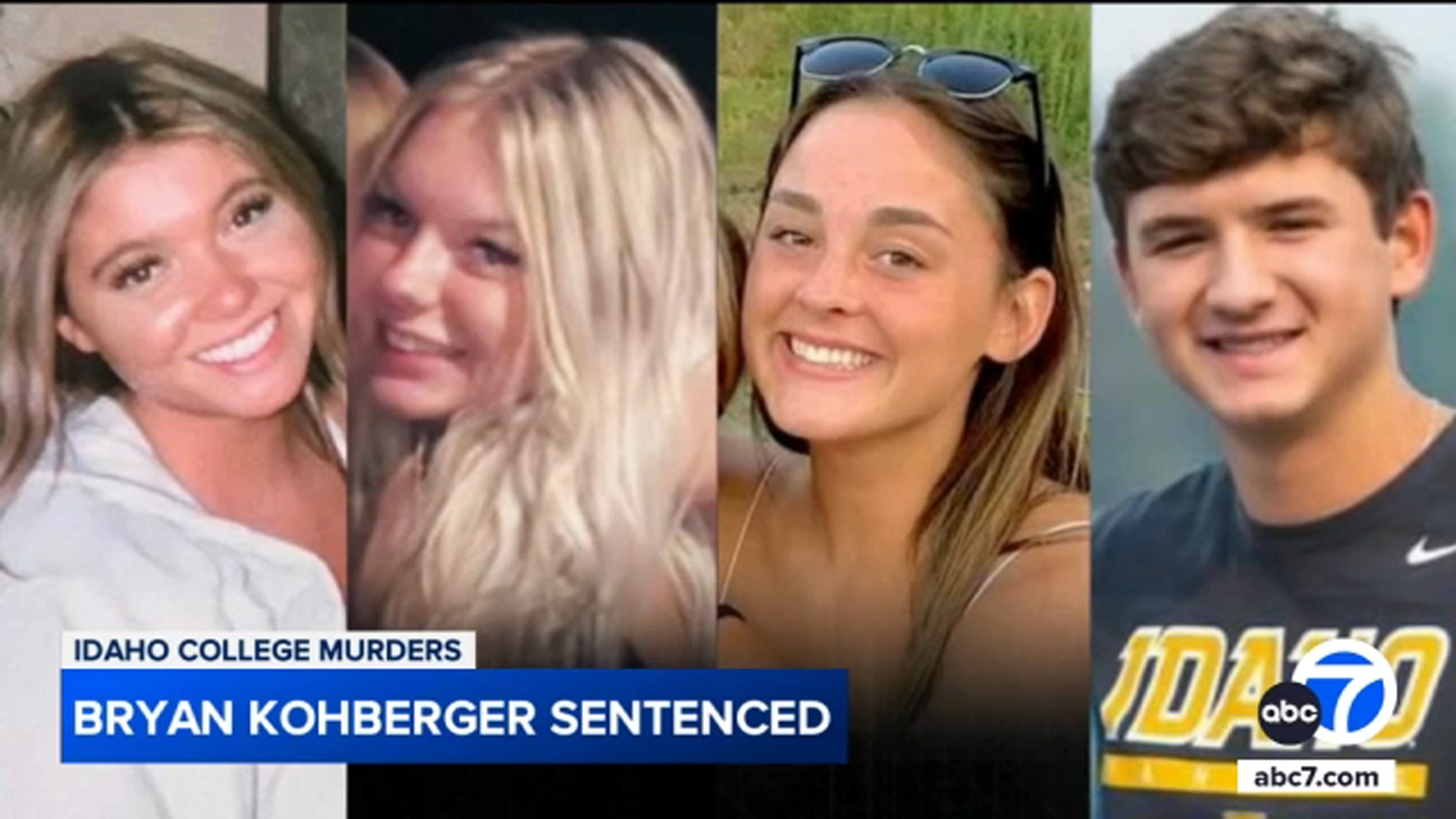
The case began in November 2022 when University of Idaho students Kaylee Goncalves, Madison Mogen, Xana Kernodle, and Ethan Chapin were found fatally stabbed in an off-campus residence in Moscow, Idaho. The killings shocked the nation and triggered an extensive investigation involving local, state, and federal law enforcement agencies.
Investigators ultimately identified Kohberger, a doctoral student in criminology at Washington State University, as a suspect. Prosecutors relied on multiple forms of evidence, including DNA analysis, cellphone records, surveillance footage, and witness statements gathered during the investigation.
Initially, prosecutors announced their intention to pursue the death penalty if Kohberger were convicted at trial. However, before a capital trial could begin, Kohberger agreed to plead guilty. In exchange, prosecutors removed the possibility of a death sentence and sought multiple life sentences without parole instead.
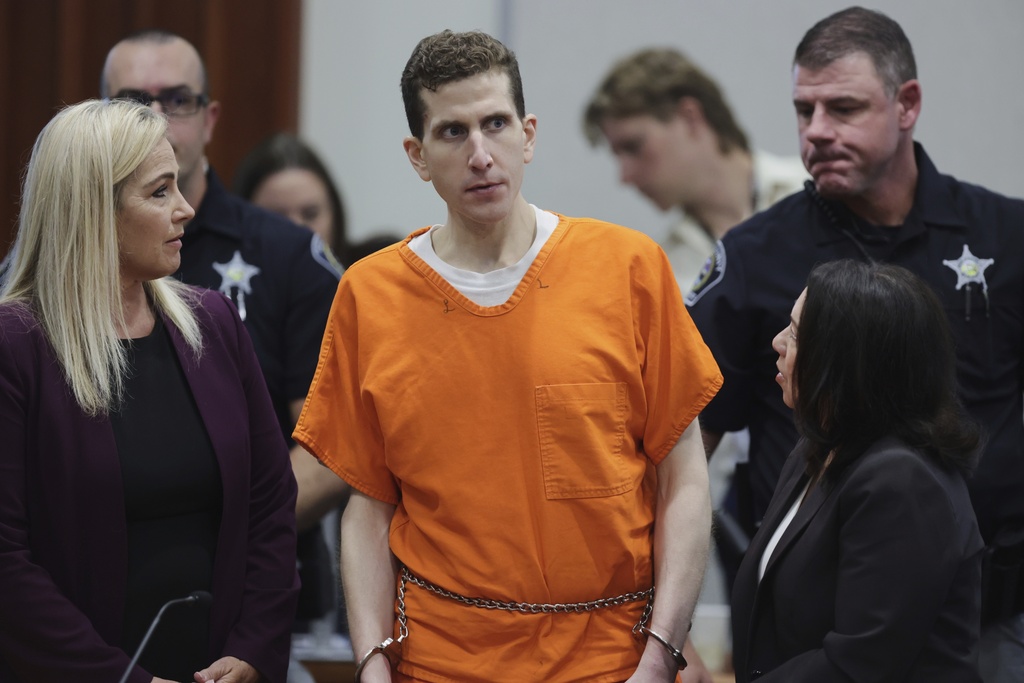 The plea agreement generated significant public discussion. Some family members of the victims supported the resolution because it guaranteed a conviction and eliminated the possibility of lengthy appeals that often accompany death penalty cases. Others expressed disappointment that the case would not proceed to a full trial and that a death sentence would no longer be available as a possible punishment.
Following the plea agreement, the court imposed multiple consecutive life sentences without the possibility of parole. The sentence ensures that Kohberger will never be released from prison and will spend the remainder of his life within the correctional system.
 The decision to accept a plea agreement rather than proceed to a capital trial has led to considerable public speculation. However, only Kohberger and his legal team know the full reasoning behind the decision. Legal experts have noted that defendants facing potential execution often consider factors such as trial uncertainty, sentencing outcomes, appellate processes, and long-term incarceration when evaluating plea offers.
Today, Kohberger remains incarcerated under a sentence that guarantees permanent imprisonment. While debate continues regarding the plea agreement and its implications, the criminal proceedings have largely concluded, bringing legal closure to a case that profoundly affected the victims’ families, the University of Idaho community, and the nation as a whole.


