In the early morning hours of December 1993, gunfire erupted outside a Jacksonville, Florida nightclub, leaving two people dead and several others wounded. What initially appeared to be another violent street crime soon evolved into one of the most closely watched homicide investigations in Florida. Detectives would later allege that the shooting was not random but part of a calculated revenge mission carried out by Michael Bernard Bell.

According to investigators, Bell was seeking retaliation for the death of his brother, who had been killed months earlier. Police determined that Bell believed he had located the individuals responsible and waited near a liquor lounge for an opportunity to strike. Armed with an AK-47-style rifle, he allegedly opened fire on a vehicle as it left the area. The attack claimed the lives of Jimmy West and Tamecka Smith and injured several others caught in the gunfire.
As detectives reconstructed the events of that night, witness interviews and forensic evidence became central to the case. Investigators traced Bell’s movements before and after the shooting, while prosecutors argued that the attack had been carefully planned rather than committed in the heat of the moment. Evidence presented during the investigation pointed to a revenge motive, giving authorities a clearer picture of why the shooting occurred.
One of the most tragic discoveries made during the investigation was that the victims were not the people Bell believed he was targeting. Authorities concluded that Bell had mistaken the occupants of the vehicle for those connected to his brother’s killing. The finding transformed the case from a straightforward revenge attack into a deadly case of mistaken identity, leaving innocent people dead and families devastated.
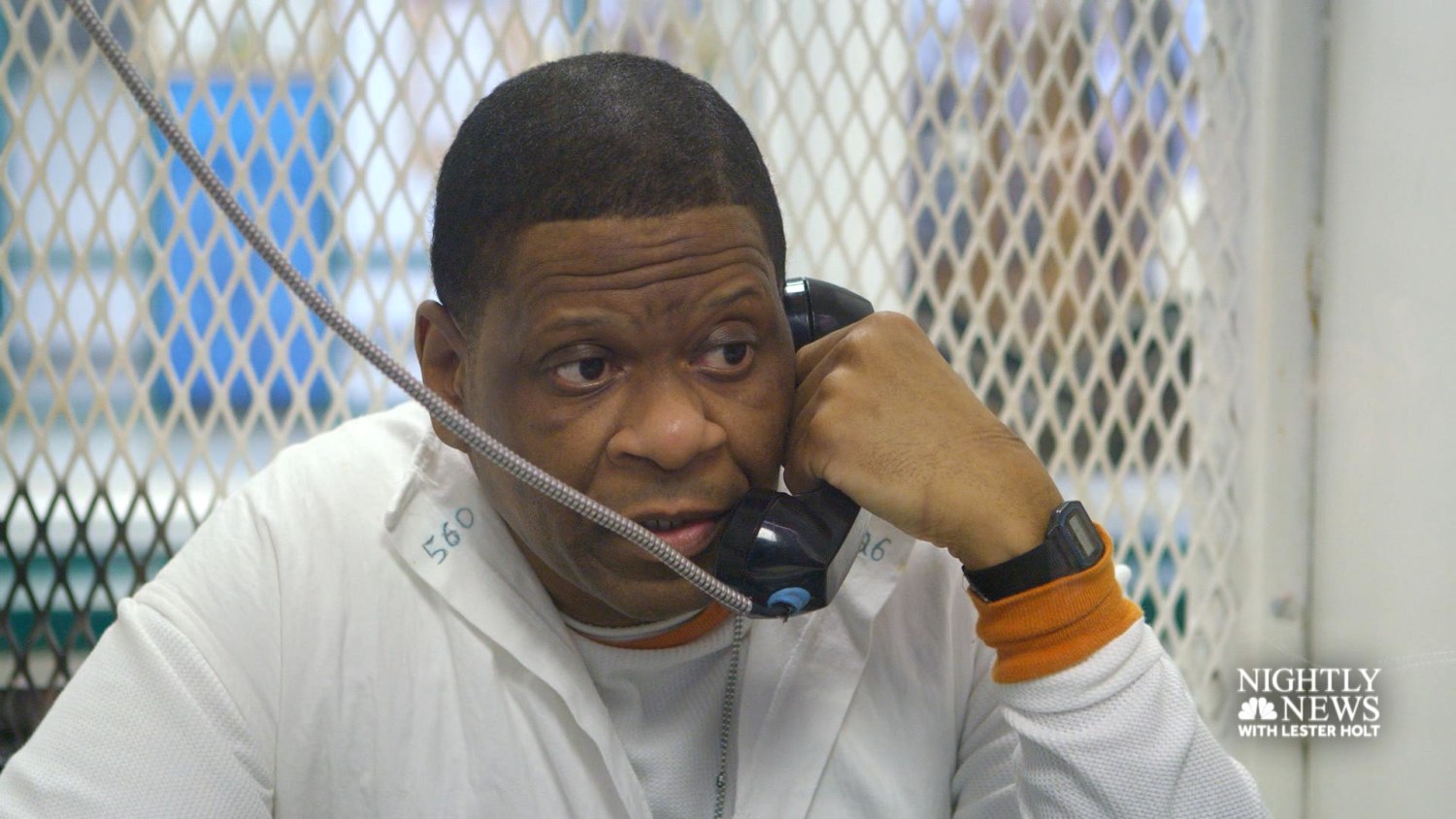
In 1995, Bell was convicted of first-degree murder and sentenced to death. Prosecutors successfully argued that the attack met the legal standard for capital punishment under Florida law. The conviction marked the end of the criminal trial, but it was only the beginning of a lengthy legal battle that would continue for decades through state and federal courts.
Over the years, Bell’s attorneys filed numerous appeals challenging both his conviction and sentence. Courts reviewed claims involving trial procedures, jury instructions, and constitutional issues related to the death penalty. Despite repeated reviews, judges consistently upheld the verdict, allowing the sentence to remain in place while the case moved through the appeals process.
More than three decades after the shootings, Bell was scheduled for execution in July 2025, bringing renewed attention to a case that has remained part of Florida’s criminal justice history for years. For investigators, it stands as an example of how witness testimony, forensic evidence, and persistence helped solve a complex homicide. For the victims’ families, it remains a painful reminder of a revenge plot that ended with innocent lives lost and a case that continued to resonate long after the gunfire ended.