Is André Rieu a musical genius or a controversial figure in the classical world? While critics slam him for turning symphonies into sugary spectacles, his staggering concert sales and devoted fanbase tell a different story. The question remains: who truly understands the magic of music—its purists or the millions who revel in Rieu’s performances?
 Born on October 1, 1949, in Maastricht, Netherlands, André Rieu arrived as a surprise gift to his family, who had just relocated from Amsterdam. Growing up in a bustling household filled with siblings and strict rules, music was not merely a pastime but a household law, thanks to his father, a respected conductor. The young André was enveloped in a world of symphonies and operas, where silence and discipline reigned supreme.
Yet, amid the strict upbringing, André felt a void. He later described his childhood as emotionally cold, with his father often retreating into his study when family life became overwhelming. Despite the emotional distance, André absorbed the essence of music, learning the importance of timing and focus. His father’s rigorous training pushed him to pick up the violin at just five years old, but it was not the strict discipline that captivated him—it was his enchanting teacher, Tiny, who sparked his first love for music.
As he matured, André found himself at odds with his father’s purist views, which dismissed lighter music as inferior. Yet, a pivotal moment during one of his father’s concerts ignited a quiet rebellion within him. When a Viennese waltz was played as an encore, the audience transformed from statues into a wave of joy, and André felt a profound realization: music could be a source of happiness, not just a test of skill.
 At 15, he met Marjorie, a connection that would bring warmth and love into his life. They married in 1975, facing the struggles of youth and financial hardship together. While André honed his craft at conservatories, he also worked tirelessly to establish his own orchestra, the Maastricht Salon Orchestra, despite facing rejection after rejection.
The couple’s partnership deepened as Marjorie took on the role of manager, handling the logistics that allowed André to focus on his music. As they welcomed two sons, the pressure mounted, but André remained determined to pursue his vision of joyful music. He began to carve a niche for himself, despite criticism from those who believed he was trivializing classical music.
In 1987, André took a significant risk by founding the Johann Strauss Orchestra, reportedly even mortgaging his home to finance the venture. The first performance in 1988 marked a new beginning, as he sought to revive the waltz and make classical music accessible to everyone. His passion for connection over perfection resonated with audiences, leading to a meteoric rise in popularity.
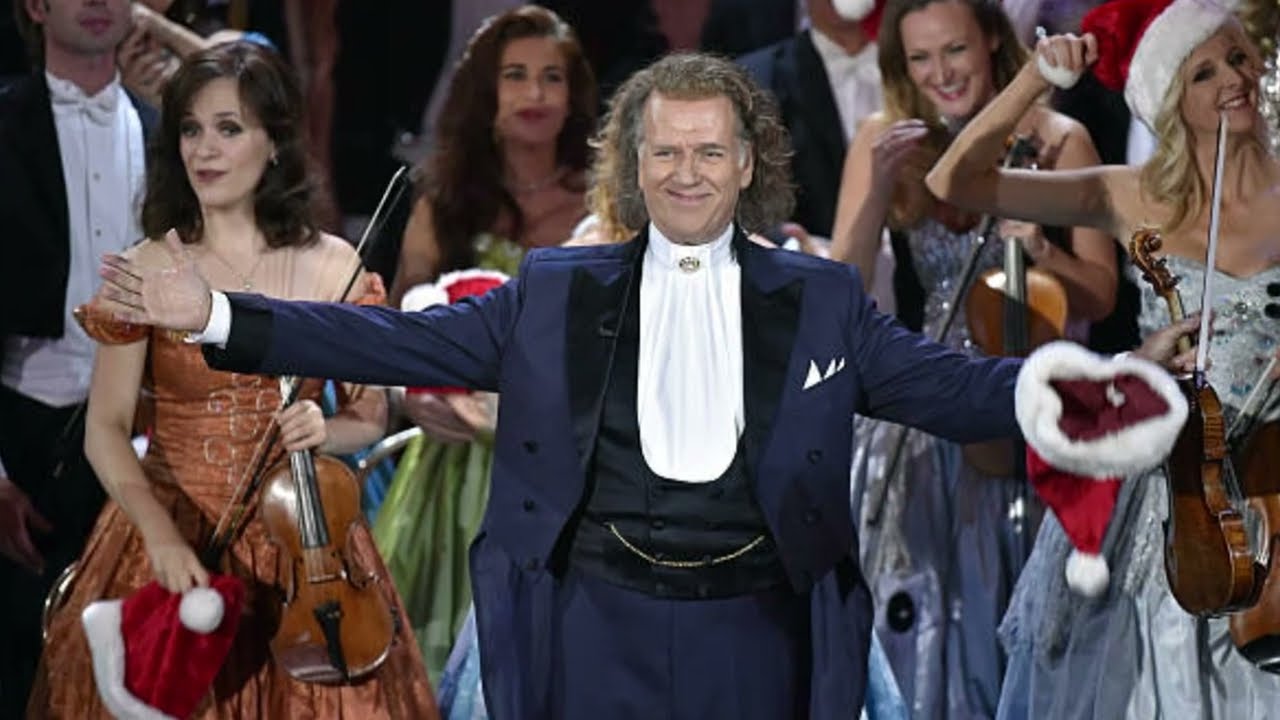
A breakthrough moment came in 1995 during a Champions League match when he performed live after Ajax Amsterdam’s victory. This performance catapulted him into the spotlight, and his album “Strauss and Company” sold nearly 900,000 copies, marking the beginning of a waltz revival. Rieu became known as the “King of Waltz,” and his concerts began to resemble grand spectacles rather than traditional classical performances.
However, success came with its challenges. Critics derided his theatrical approach, claiming he was prioritizing entertainment over artistry. Yet, despite the backlash, André’s sales figures spoke volumes. He consistently outsold many artists across genres, proving that his audience craved the joy and connection he offered.
 But the road was not without its pitfalls. After a lavish performance at Vienna’s Schönbrunn Palace, André faced a financial crisis, reportedly accruing significant debt due to extravagant production costs. Just as he was grappling with this burden, he was struck by a debilitating illness that forced him off stage. The timing could not have been worse, as he struggled to manage his orchestra and the mounting pressure of debt.
Yet, in a twist of fate, the lavish sets he had created began to draw attention, leading to a surge in ticket sales that ultimately helped him recover financially. His resilience shone through, and he repaid his debts, emerging stronger than ever.
André’s journey has been marked by both triumph and tragedy. In 2016, he faced the heartbreaking loss of a longtime orchestra member, a reminder of the deep bonds formed within his musical family. As he continues to navigate the complexities of fame, health issues, and the ever-present scrutiny of critics, one question lingers: can joy in music truly bridge the divide between tradition and modernity?