Jim Nabors, beloved for his charming portrayal of Gomer Pyle, led a life filled with secrets that many fans never knew. Behind the laughter and the iconic character lay a complex man shaped by childhood struggles and a hidden love story that would only come to light decades later.
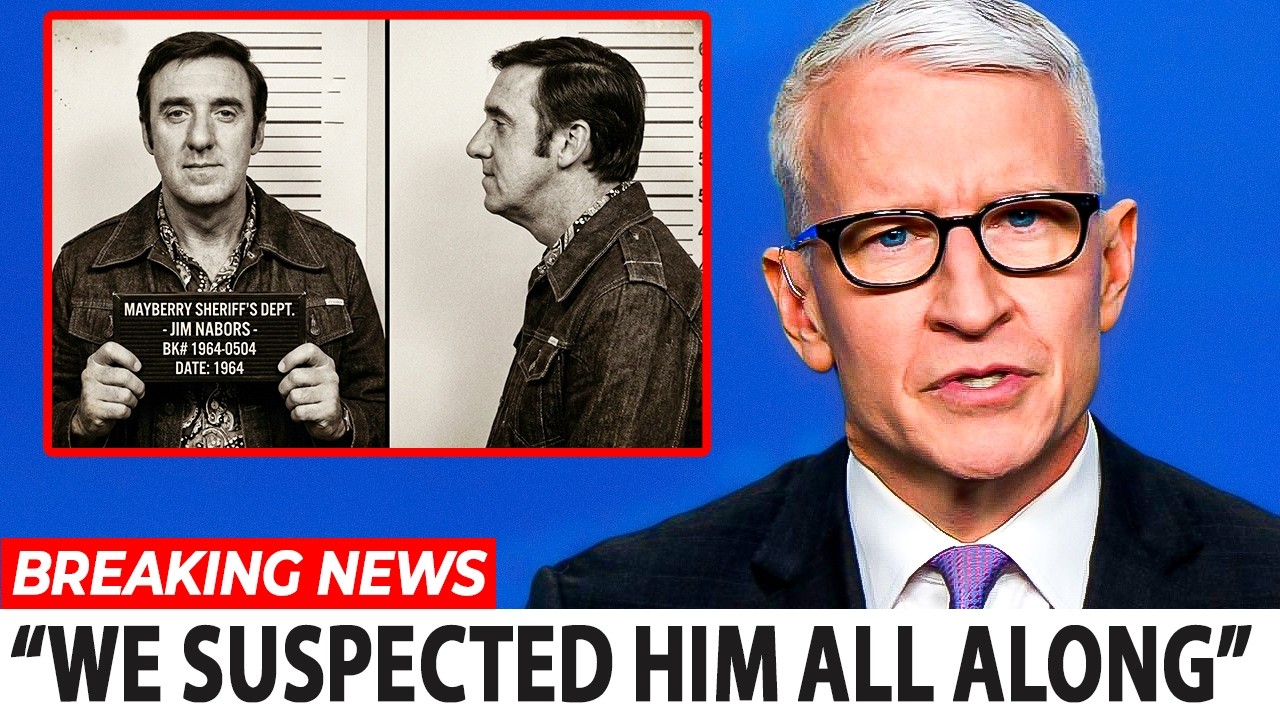 Born on June 12, 1930, in Sylacauga, Alabama, Nabors faced significant challenges from a young age. Suffering from severe asthma, he spent much of his childhood indoors, often listening to the sounds of other children playing outside. This confinement, however, sparked his creativity. To connect with his peers, he began performing for them through open windows, developing a unique talent for singing and impersonating voices that would later define his career.
After graduating from the University of Alabama in 1952, where he studied business administration instead of performing arts, Nabors found himself in the bustling city of New York. His stint as a typist for the United Nations was short-lived; the city felt too vast and impersonal. He eventually moved to Chattanooga, Tennessee, and then to Los Angeles, where he worked as a film editor while performing at a small cabaret called The Horn.
 It was at The Horn that Nabors caught the attention of comedian Bill Dana, who helped launch his television career. In late 1962, Nabors made his national debut on The Steve Allen Show, which led to a guest appearance on The Andy Griffith Show as Gomer Pyle. The character quickly became a fan favorite, leading to the spin-off series Gomer Pyle, USMC, which aired from 1964 to 1969 and became a cultural phenomenon.
However, Nabors’ rise to fame was not without its challenges. In 1971, a rumor linking him romantically to actor Rock Hudson threatened to tarnish his career. The story stemmed from a humorous invitation to a party that mistakenly suggested the two had married. Despite the rumor being unfounded, it created a media frenzy that left both men fearing for their careers. Nabors publicly denounced the claims, describing them as “vicious” and “unwarranted,” but the damage was done. His variety show was canceled shortly after, marking a significant downturn in his television career.

In the years that followed, Nabors found solace and success in Hawaii, where he performed regularly and eventually met Stan Cadwallader, a Honolulu firefighter. Their relationship blossomed into a loving partnership that lasted 38 years, though it remained largely hidden from the public eye. Together, they built a life on a 500-acre farm in Maui, where Nabors found a sense of peace away from the spotlight.
 The singer’s connection to the Indianapolis 500 became another cherished aspect of his legacy. From 1972 to 2014, he sang “Back Home Again in Indiana” at the iconic race, becoming synonymous with the event. His final performance in 2014 was a poignant farewell, as he waved to a crowd that had embraced him for decades.
In a surprising turn of events, Nabors publicly acknowledged his long-term relationship with Cadwallader when they married in a private ceremony in January 2013. The couple’s love story, which had been kept under wraps for so long, was met with overwhelming support from fans and friends alike, showcasing a shift in societal attitudes toward LGBTQ+ relationships.
Jim Nabors passed away on November 30, 2017, leaving behind a legacy that transcended his on-screen persona. His journey from a shy, asthmatic boy to a beloved television star and a man who found love later in life is a testament to his resilience and talent. As we remember Nabors, we are left to ponder the complexities of the public figures we admire and the stories that remain untold. What other hidden narratives lie beneath the surface of our favorite stars?