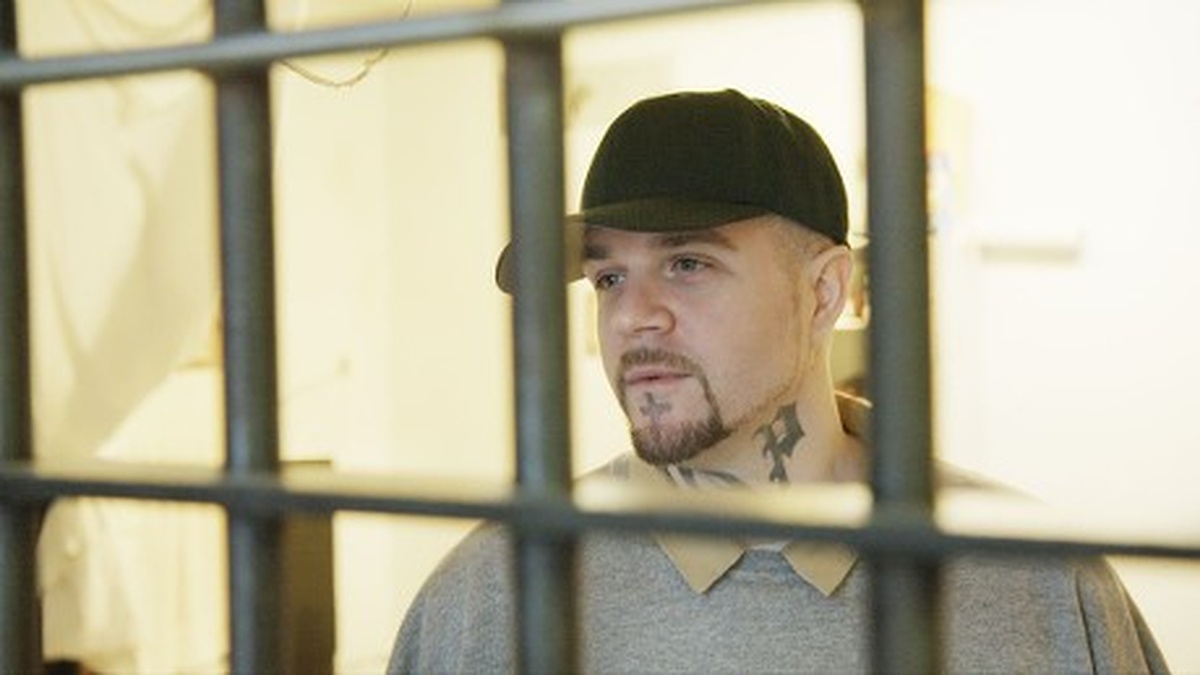
 On September 17, 2025, the State of Florida executed David Joseph Pittman by lethal injection at Florida State Prison in Starke, bringing an end to one of the longest-running capital murder cases in the state’s history. Pittman had spent approximately thirty-four years on death row following his conviction for the murders of Clarence Knowles, Barbara Knowles, and Bonnie Knowles in Polk County, Florida.
The case originated in the early 1990s when authorities investigated the deaths of three members of the Knowles family in Mulberry, Florida. Prosecutors alleged that Pittman was responsible for the murders and presented evidence that ultimately led to his conviction on multiple counts of first-degree murder. During trial, the state argued that the killings represented the destruction of an entire family and justified the most severe punishment available under Florida law.
A jury ultimately convicted Pittman and sentenced him to death. Over the following decades, the case moved through the extensive appellate process required in capital punishment cases. State courts, federal courts, and appellate judges reviewed numerous challenges to both the conviction and sentence, resulting in years of litigation before the execution was eventually scheduled.
 Throughout much of that time, Pittman continued to maintain his innocence. His attorneys pursued multiple legal strategies seeking to overturn the conviction or prevent the execution from being carried out. As the execution date approached, one of the most significant legal issues involved claims that Pittman was intellectually disabled and therefore constitutionally ineligible for execution under the United States Supreme Court’s decision in Atkins v. Virginia.
Defense attorneys argued that Pittman’s intellectual functioning and adaptive limitations met the standards established by courts for protection from execution. Prosecutors disputed those claims and maintained that prior court findings supported the legality of the death sentence. The issue became a central focus of the final legal proceedings as judges reviewed expert testimony, historical records, and prior evaluations.
Ultimately, courts declined to halt the execution. Judges concluded that the legal requirements necessary to overturn the sentence had not been met and allowed the execution to proceed. Additional appeals filed in the final weeks before the execution were also unsuccessful.
On September 17, 2025, Florida carried out the execution after all remaining legal remedies had been exhausted. The execution concluded more than three decades of appeals, hearings, motions, and judicial review surrounding one of the state’s longest-running death penalty cases.
 The case generated significant discussion among legal scholars, death penalty supporters, disability-rights advocates, and criminal justice observers. Supporters of the sentence pointed to the jury’s verdict and the extensive appellate review that had occurred over thirty-four years. Critics argued that intellectual disability claims in capital cases deserve especially careful consideration because of constitutional protections established by the Supreme Court.
Today, the David Joseph Pittman case remains part of the broader national debate surrounding capital punishment, intellectual disability, and the standards courts use when determining whether a death sentence can legally be carried out. More than three decades after the murders of Clarence, Barbara, and Bonnie Knowles, the case continues to be referenced in discussions about the intersection of criminal justice, constitutional law, and the death penalty in America.