On July 15, 1992, 23-year-old Rachel Nickell was murdered in broad daylight while walking with her 2-year-old son on Wimbledon Common in southwest London. The attack shocked the country, not only because of its brutality, but because her young child was left alive at the scene and became the only witness to a crime he was too young to fully explain.
With little forensic evidence and no clear eyewitness account, detectives faced enormous pressure to find the killer. Investigators turned to a psychological profile and public tips, which eventually led them to Colin Stagg, a local man from Roehampton who often walked his dog near Wimbledon Common. At the time, Stagg was 29 years old, unemployed, and quickly became the focus of police attention.
But the case against Stagg was built on suspicion rather than solid physical evidence. Police launched Operation Edzell, an undercover sting in which a female officer wrote intimate letters to him in an attempt to draw out a confession or link him to the killer’s profile. Stagg never confessed, and investigators still had no forensic proof tying him to Rachel Nickell’s murder.
In 1994, after Stagg had spent 13 months in custody, the case collapsed in court. A judge dismissed the prosecution, strongly criticizing the undercover operation and describing the police conduct as deeply deceptive. Stagg was cleared, but the damage to his life was far from over.
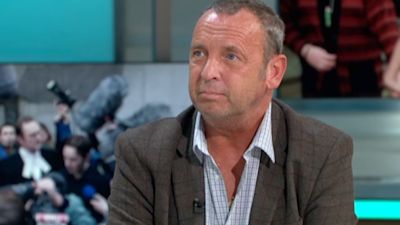
For years after his release, Stagg lived under public suspicion. Many people wrongly believed he had escaped punishment on a technicality, even though there was no forensic evidence linking him to the crime. His name remained tied to one of Britain’s most infamous murder cases, making it difficult for him to rebuild a normal life.
The truth finally emerged years later through advances in DNA testing. Evidence eventually linked convicted killer and serial rapist Robert Napper to Rachel Nickell’s murder. Napper, who was already detained for other violent crimes, was convicted in connection with the case in 2008, formally clearing Stagg of suspicion.
Today, Colin Stagg has largely kept a low profile after receiving an apology and compensation for the wrongful accusation. His story remains one of the most troubling examples of investigative tunnel vision, showing how pressure, flawed profiling, and a controversial sting operation nearly destroyed an innocent man’s life while the real killer remained free for years.