🚨 TENNESSEE EXECUTES NICHOLAS TODD SUTTON — A DEATH ROW CASE THAT STILL DIVIDES AMERICA
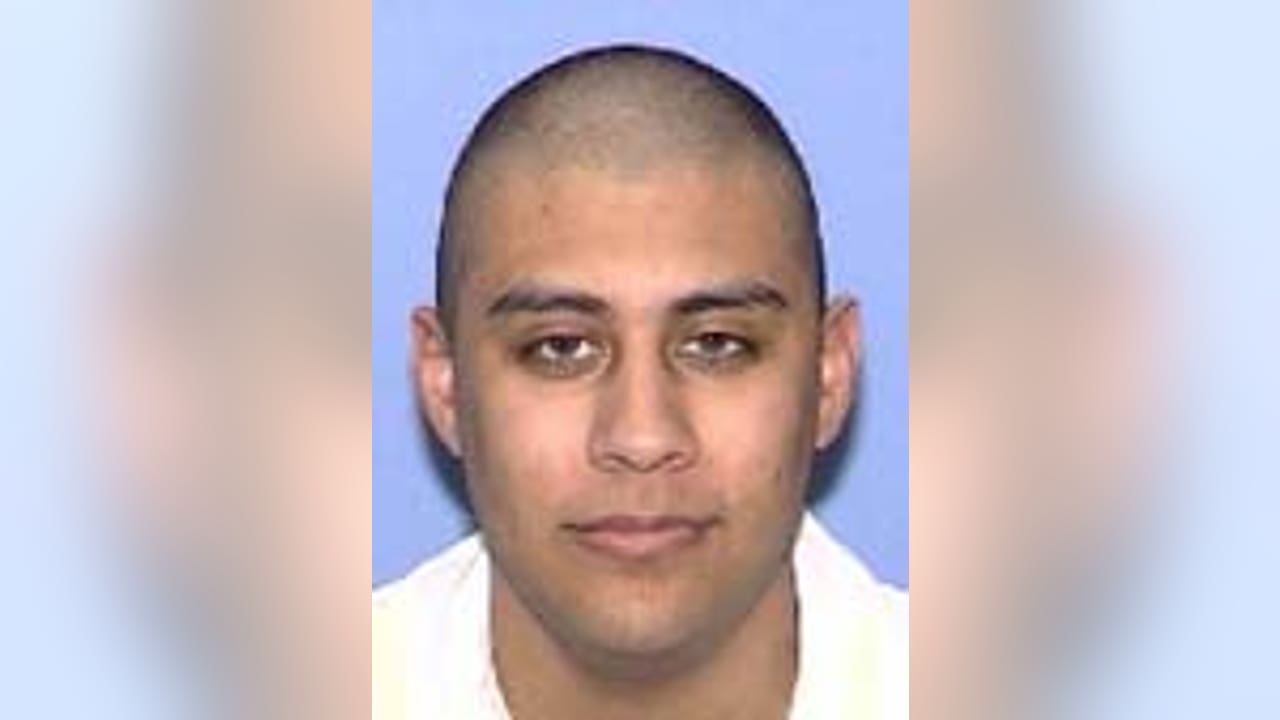

For more than three decades, Nicholas Todd Sutton lived under a death sentence for a series of murders that claimed four lives and shocked Tennessee.
Convicted of killings committed between the late 1970s and mid-1980s, Sutton became one of the state’s longest-serving death row inmates. His crimes were brutal, and for many families affected by the violence, justice demanded that the sentence be carried out.
But as the years passed, a different story began to emerge behind prison walls.
Fellow inmates, prison staff, religious leaders, and advocates described a man who appeared profoundly changed from the person who had entered the system decades earlier. Sutton became known for mentoring prisoners, helping prevent violence, and encouraging others to pursue education and faith.
As his execution date approached, supporters launched a final effort to save his life. They argued that Sutton represented one of the clearest examples of rehabilitation ever seen on death row—a man who had spent years trying to make amends for the damage he caused.
Critics strongly disagreed.

They maintained that no amount of personal transformation could erase the suffering inflicted on four victims and their families. Courts ultimately upheld the sentence, ruling that the seriousness of the crimes remained the determining factor.
In February 2020, Nicholas Todd Sutton was executed at Riverbend Maximum Security Institution, bringing an end to a case that had sparked years of debate over punishment, redemption, and whether a person can truly change.
Even today, the questions remain.
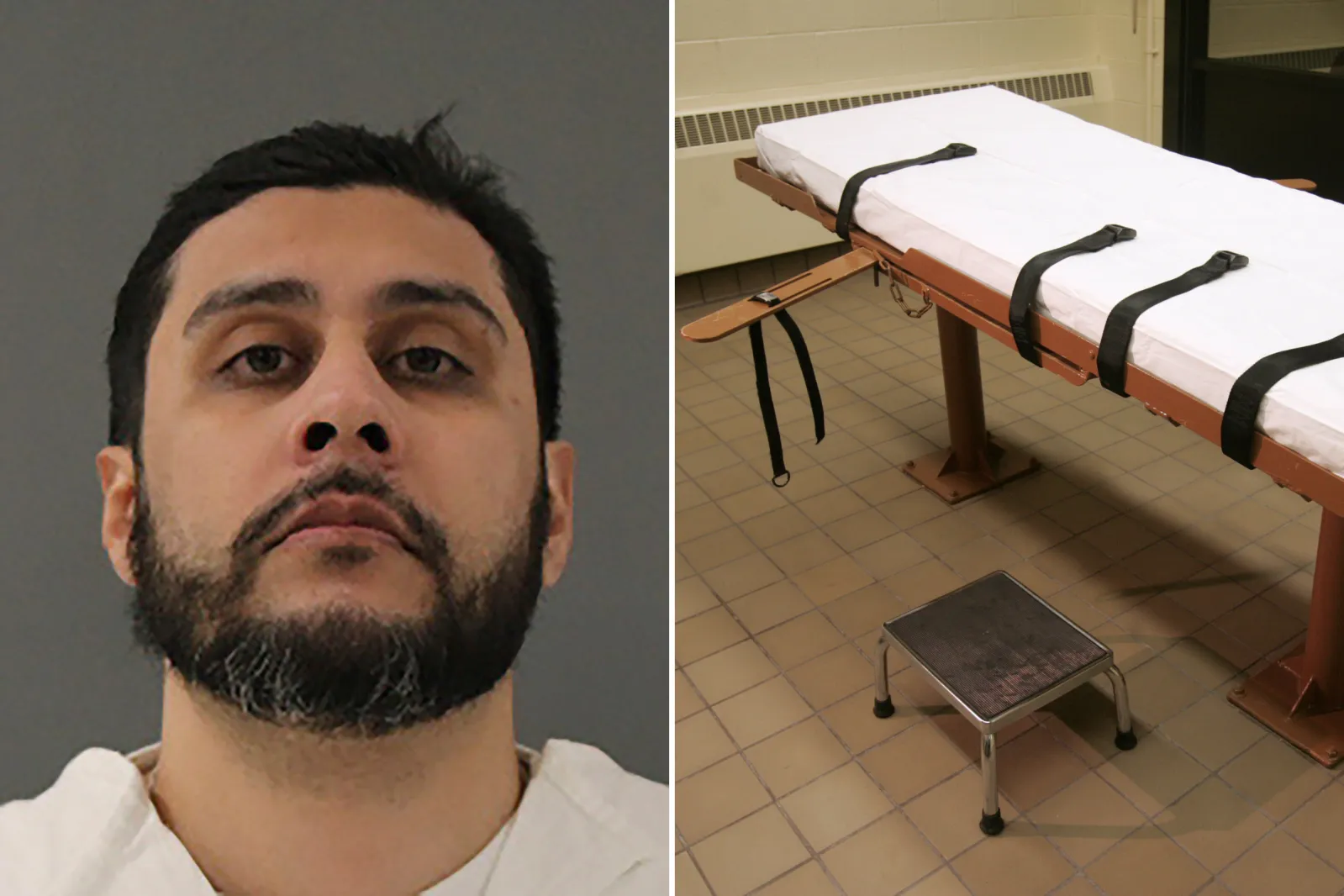
⚖️ If someone spends decades proving they are no longer the person who committed a terrible crime, should that matter when the final judgment comes?
Or are some actions so devastating that forgiveness can never outweigh justice?