Bryan Kohberger’s guilty plea in the Idaho student murders brought one of the most closely followed criminal cases in recent American history to a legal conclusion without a trial. Yet despite the plea agreement, public discussion surrounding the evidence, investigative process, and unanswered questions continues years after the killings that shocked the nation.
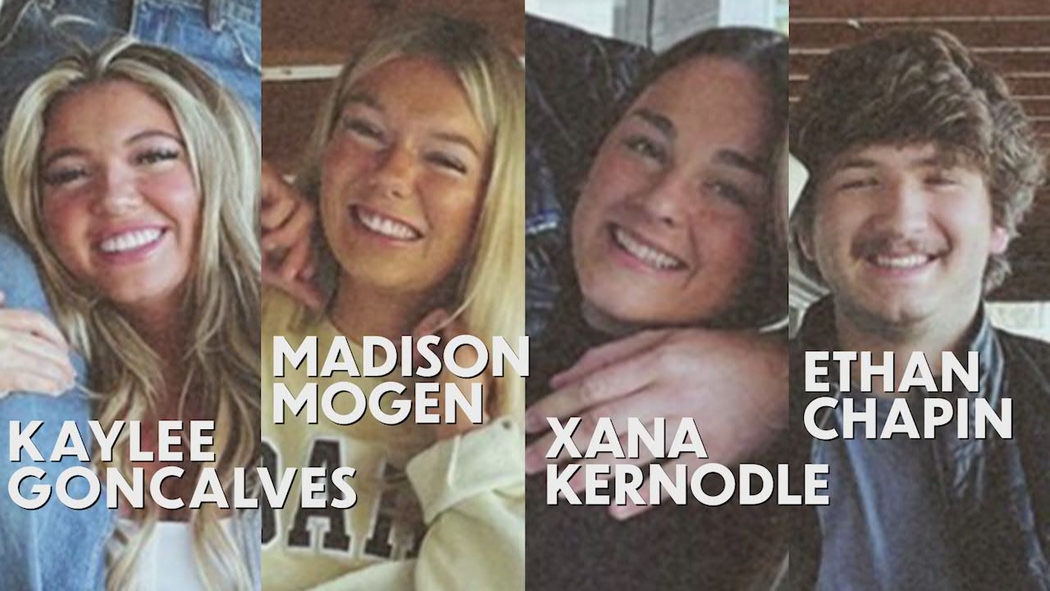
The case began on November 13, 2022, when University of Idaho students Madison Mogen, Kaylee Goncalves, Xana Kernodle, and Ethan Chapin were found dead inside an off-campus residence in Moscow, Idaho. The killings triggered a nationwide investigation involving local, state, and federal law enforcement agencies.
After weeks of investigation, authorities arrested Bryan Kohberger, a doctoral student in criminology at Washington State University. Prosecutors alleged that Kohberger entered the residence during the early morning hours and carried out the attacks before leaving the scene.
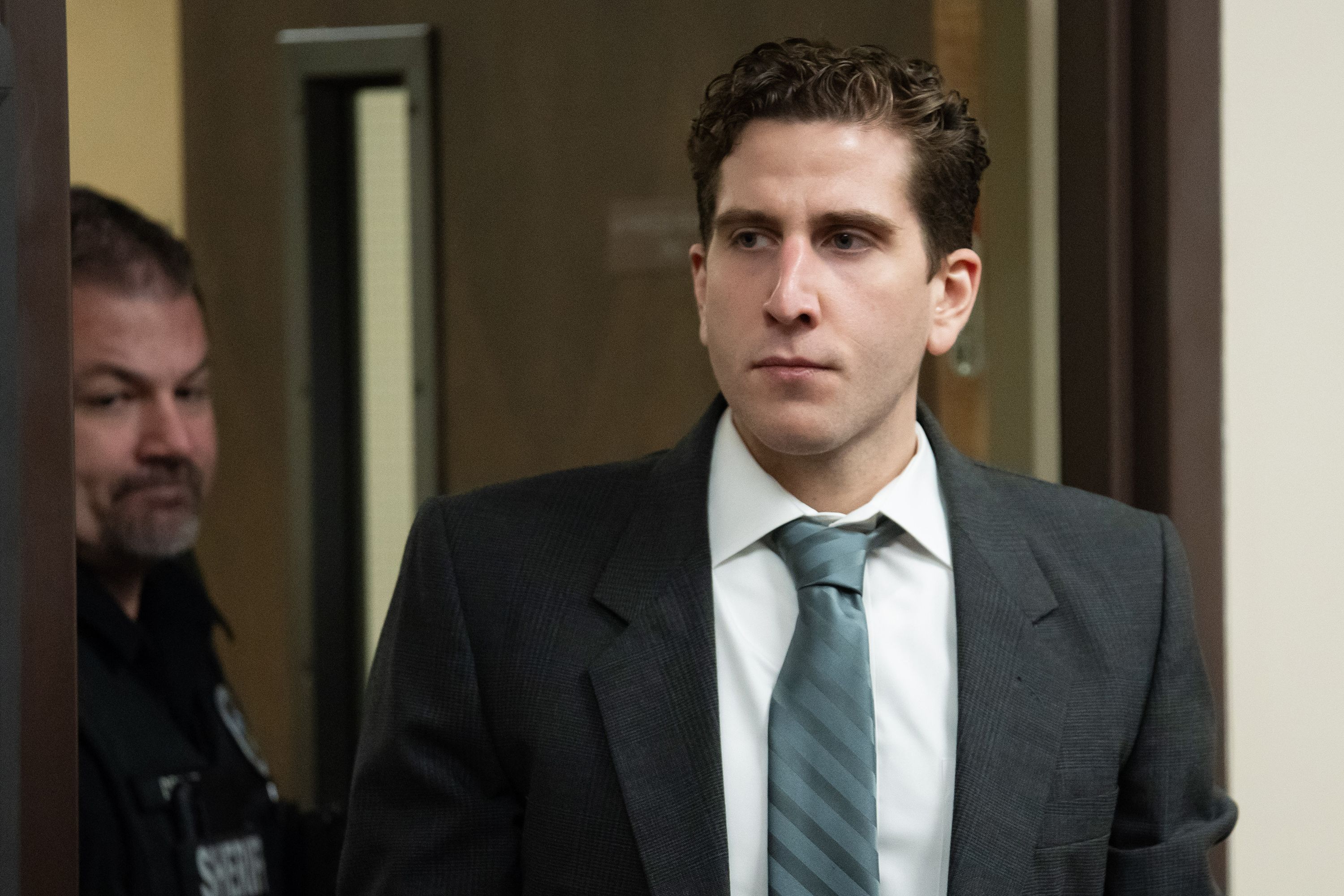 Investigators later identified several key pieces of evidence that became central to the prosecution’s case. Among them was DNA recovered from a knife sheath found near one of the victims. Authorities also cited cellphone records, surveillance footage, vehicle movements, and other investigative findings linking Kohberger to the crime.
For months, legal proceedings focused on pretrial motions, evidence disputes, and preparations for what was expected to become one of the most significant murder trials in the country. Prosecutors initially sought the death penalty, while defense attorneys challenged aspects of the investigation and evidence collection process.
However, the anticipated trial never occurred. Kohberger ultimately entered guilty pleas to multiple murder charges, eliminating the need for a jury trial. As a result, many issues that might have been explored in open court were never subjected to the adversarial process typically associated with a full criminal trial.
 Because the case concluded through a plea agreement, some observers continue discussing questions that were never fully litigated before a jury. Those discussions involve topics such as investigative timelines, forensic evidence, digital records, and possible motives. Legal experts note, however, that a guilty plea represents an admission of guilt and eliminates the requirement for prosecutors to present their entire case at trial.
The resolution of the case also generated debate among victims’ families and members of the public. Some viewed the plea agreement as a way to avoid years of appeals and further trauma for families. Others believed a trial could have provided additional information about the crimes and the evidence gathered during the investigation.
 Today, Kohberger remains incarcerated under the sentence imposed by the court. Although the criminal proceedings have formally concluded, public interest in the case remains exceptionally high because of the nature of the crimes, the extensive media coverage, and the questions that continue to be discussed outside the courtroom.
The Idaho murders remain one of the most significant criminal cases of the decade. While the legal outcome has been finalized, the case continues to be analyzed by journalists, legal commentators, criminologists, and members of the public seeking to better understand how one of America’s most shocking homicide investigations unfolded.