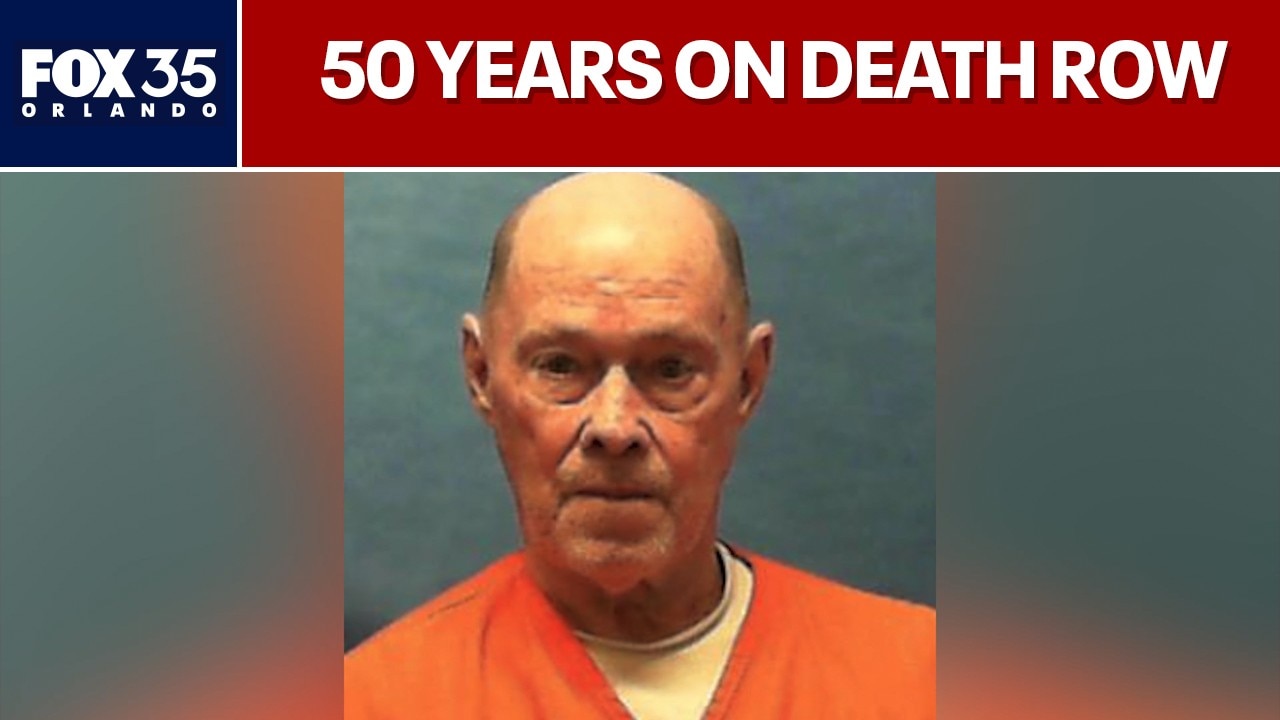
 On April 30, 2026, the State of Florida executed James Ernest Hitchcock, bringing an end to one of the longest-running death penalty cases in United States history. Nearly fifty years had passed since the murder of 13-year-old Cynthia Driggers in 1976, a crime that led to decades of court proceedings, multiple death sentences, and a landmark Supreme Court decision that helped shape modern capital punishment law.
The case began in September 1976 when Cynthia Driggers was found murdered in Alachua County, Florida. Investigators identified James Ernest Hitchcock as a suspect, and prosecutors alleged that he committed the crime during a sexual assault. Hitchcock, who was 20 years old at the time, was arrested, charged, and ultimately convicted of first-degree murder.
In 1977, a Florida court sentenced Hitchcock to death. However, the conviction and sentence would become the beginning of a legal battle that lasted nearly half a century. Over the following decades, Hitchcock’s case moved repeatedly through state and federal courts as judges reviewed numerous constitutional challenges, sentencing issues, and procedural questions.

One of the most significant developments occurred in 1987 when the United States Supreme Court issued its decision in Hitchcock v. Dugger. The Court ruled that the sentencing process used in the case failed to properly allow consideration of all mitigating evidence, a decision that became an important precedent in death penalty jurisprudence. As a result, Hitchcock received a new sentencing proceeding.
The years that followed brought additional appeals, court hearings, and resentencing proceedings. In total, Hitchcock received four separate death sentences as courts repeatedly revisited various aspects of the case. Despite those reviews, juries and judges continued to conclude that the death penalty remained the appropriate punishment.
Throughout much of the litigation, Hitchcock maintained that he should not be executed and continued pursuing legal remedies through state and federal courts. His attorneys raised numerous arguments involving constitutional law, sentencing procedures, and evidentiary issues. Prosecutors, meanwhile, argued that the conviction had survived decades of judicial scrutiny and that the sentence should ultimately be carried out.
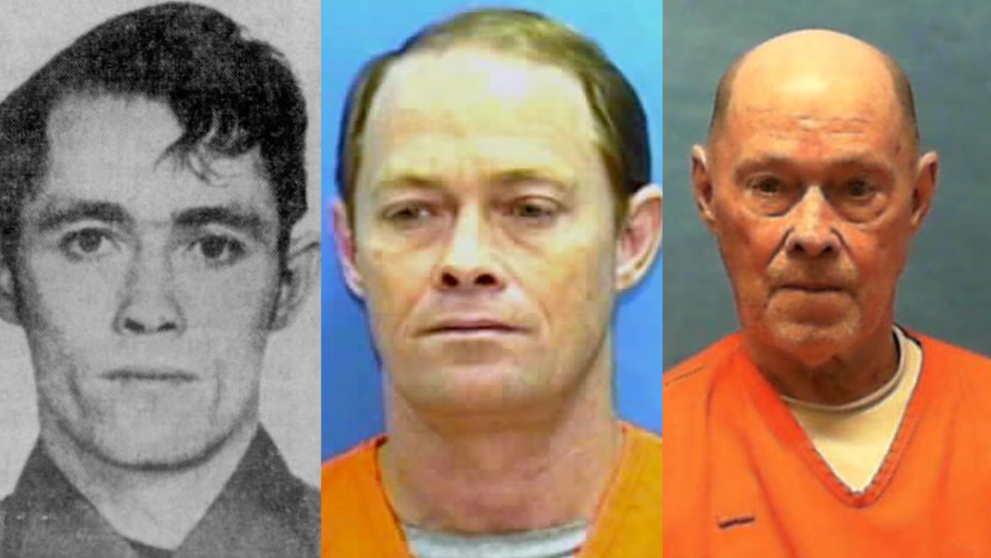
When Florida ultimately carried out the execution on April 30, 2026, nearly fifty years had elapsed since Cynthia Driggers lost her life. The execution marked the conclusion of a case that had involved multiple generations of attorneys, judges, prosecutors, victims’ family members, and legal scholars.
The emotional impact of the case remained significant long after the original crime. Members of Cynthia Driggers’ family spent decades attending hearings, following appeals, and waiting for a final resolution. The passage of time transformed the case into more than a murder prosecution; it became a reflection of the broader national debate over capital punishment, justice, finality, and the role of the courts.
Today, the James Ernest Hitchcock case remains one of the most important death penalty cases in American legal history. The crime, the decades of appeals, the Supreme Court ruling, and the eventual execution continue to be studied by legal scholars and criminal justice experts seeking to understand how capital punishment operates in the United States and whether a system that takes nearly fifty years to reach a final outcome can truly satisfy society’s understanding of justice.