James Broadnax was convicted for his role in the 2008 killings of Matthew Butler and Steven Swan at Zion Gate Records in Garland, Texas. The case drew significant attention because of the violent nature of the crime and the ages of those involved.
According to prosecutors, Broadnax and co-defendant Dearius Cummings entered the recording studio during a robbery and fatally shot Butler and Swan. The victims were both involved in Christian music and were working at the studio when the crime occurred.
 Following an investigation, authorities arrested Broadnax and Cummings. Evidence presented during the case included statements made by Broadnax as well as other investigative findings. Prosecutors argued that the murders occurred during the commission of a robbery, making the case eligible for capital murder charges under Texas law.

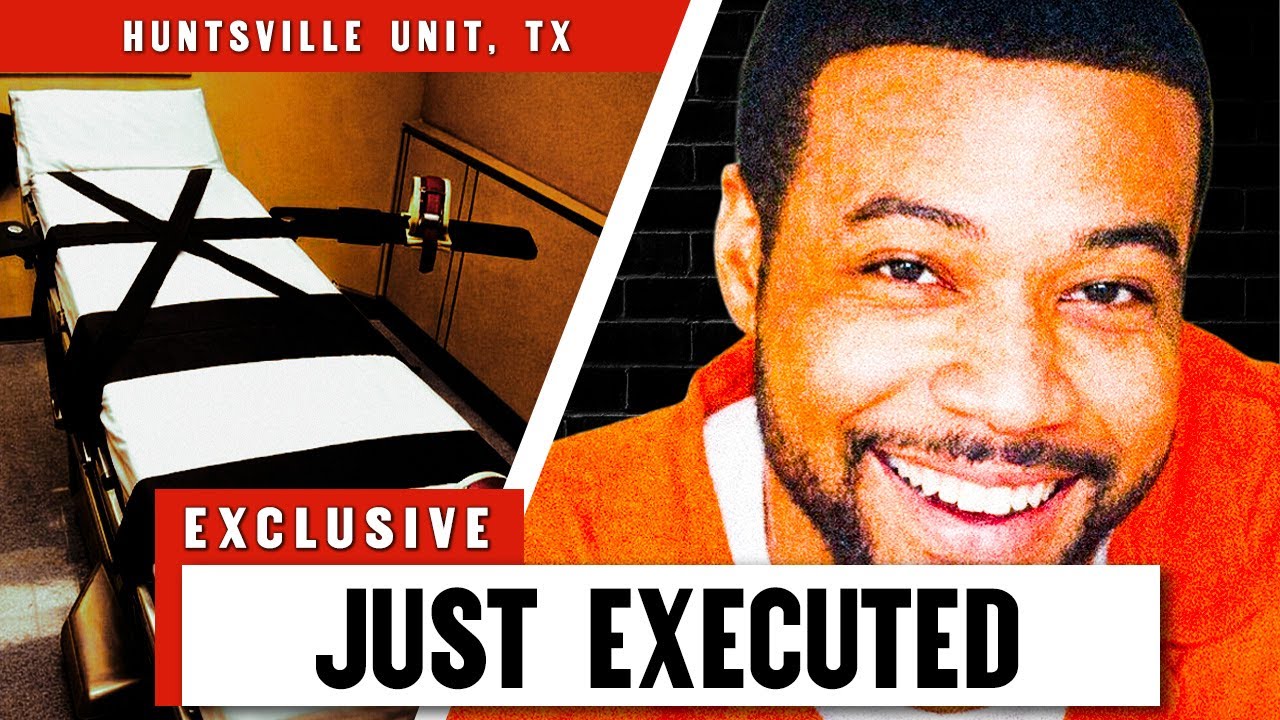
Broadnax was ultimately convicted and sentenced to death. Cummings received a separate sentence that allowed him to avoid the death penalty. Over the years, Broadnax has pursued appeals through the courts, as is common in capital cases.

The case has continued to generate discussion because it raises broader questions about violent crime, punishment, and the criminal justice system. Supporters of the sentence view it as accountability for a double homicide, while critics of capital punishment continue to oppose executions on principle.

As legal proceedings continue, the central facts of the case remain unchanged: two men lost their lives during a robbery at a recording studio, and James Broadnax was convicted and sentenced for his role in those killings. The lasting focus for many remains the lives of Matthew Butler and Steven Swan and the impact their deaths had on their families, friends, and community.