Queen Hatshepsut, who ruled Egypt as pharaoh during the 18th Dynasty in the 15th century BCE, was long forgotten after her death and efforts by later rulers to erase her memory, and for many years her actual mummy was unidentified by archaeologists.
/shethepeople/media/media_files/0uuN4diq5fKoemJz6YNN.png)
In the early 20th century, two female mummies discovered in tomb KV60 in the Valley of the Kings were catalogued — one identified as the wet nurse Sitre In and the other unidentified. In the 2000s, Egyptian archaeologists led by Dr. Zahi Hawass proposed that the unidentified body was likely Hatshepsut based on the fit of a tooth found in a royal canopic box.
Subsequent DNA testing and comparison with relatives such as her grandmother Ahmose‑Nefertari and father Thutmose I provided additional support that the KV60A mummy belonged to Hatshepsut, making it one of the most important identifications of a royal Egyptian mummy made using genetics.
These genetic studies were challenging because mummification chemicals can damage DNA, and ancient remains are often contaminated, but researchers were able to extract and compare genetic material from the mummy and known relatives.
Beyond confirming her identity, the physical remains revealed details about Hatshepsut’s life: she likely died in her 50s, and evidence from her remains suggests she may have suffered from health issues such as obesity, dental disease, and possibly conditions like diabetes or liver cancer — insights that align with the physical appearance of the mummy.
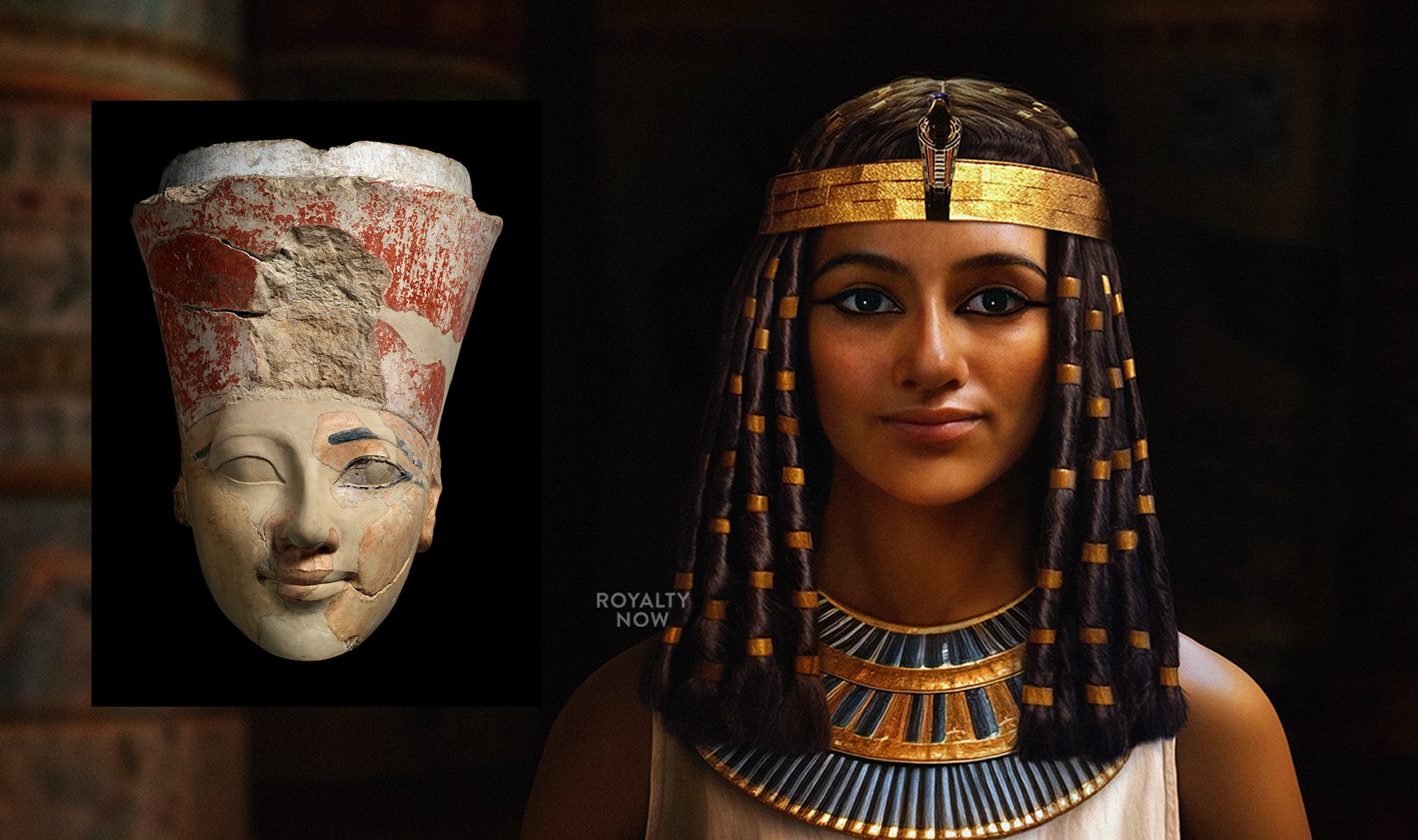
This combination of forensic anatomy, DNA evidence, and contextual archaeology has helped resolve a long‑standing question about where Hatshepsut was buried and how she looked at death, providing historians with a clearer picture of a ruler who defied tradition and ruled Egypt with unprecedented authority for a woman in the ancient world.
While sensational narratives sometimes exaggerate details, the real scientific work — involving CT scanning, comparative DNA analysis, and careful archaeological context — underscores how interdisciplinary research can illuminate the lives of individuals from more than 3,000 years ago.